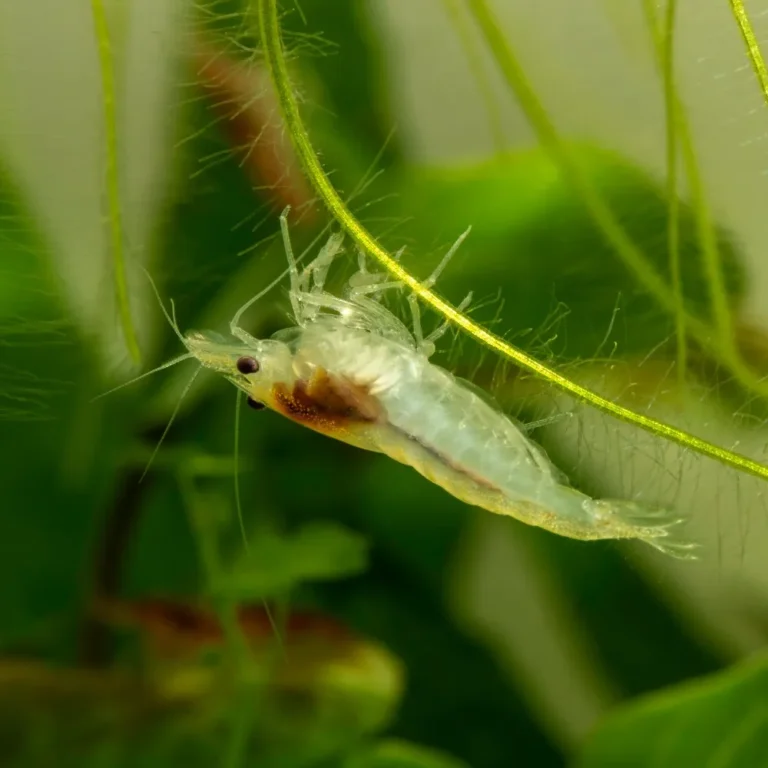
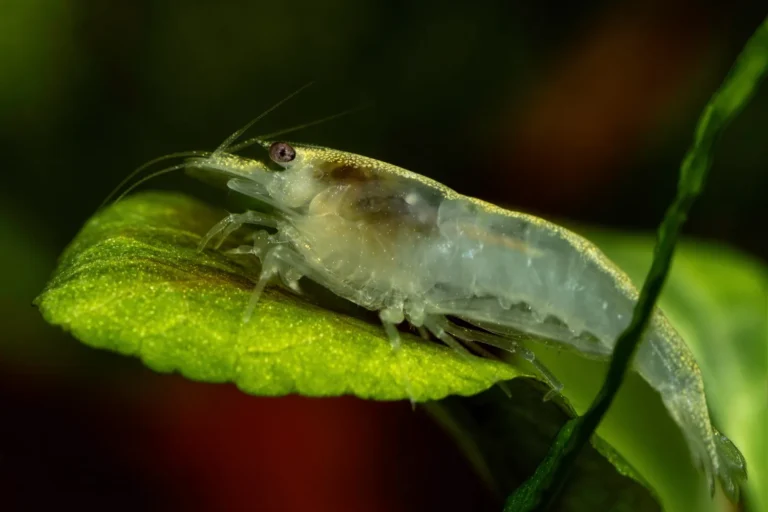
White Pearl are a pale, pearly morph of Neocaridina davidi valued for clean, soft-white coverage that stands out in planted aquascapes. Individuals often show slight translucence on legs and tail, giving a delicate, luminous look. They prefer stable tanks with a healthy biofilm and will reveal their best tone under consistent care. Colour intensity is straightforward to maintain with good water quality and a varied diet.
White Pearl stands out for its soft, pearly white tone that sits between opaque and translucent, giving a luminous rather than flat appearance. Coverage tends to be even rather than patterned, with slight translucence at the extremities. Grading focuses on purity and evenness rather than intense saturation, and the line is generally stable under consistent care. Environmental factors such as lighting intensity and mineral availability can shift perceived brightness, so stability keeps the true tone consistent.
Quick overview
Common name(s)
White Pearl, Pearl Shrimp, White Shrimp
Color line
White Pearl
Latin name
Neocaridina davidi
Size
~2–3 cm
Temperament
Peaceful
Tank level
Middle to lower
Minimum tank size
5 gallons (19 L)
Water type
Freshwater
Difficulty
Easy
Ideal aquarium setup
They create a subtle, pearly focal point in planted layouts and look best when contrasted against a dark substrate, which highlights their soft white tones. Balanced lighting preserves definition while too-bright light can wash out detail, and pairing them with mosses, ferns, driftwood supplies grazing surfaces and hiding places.
Behavior and temperament
These shrimp are active grazers that spend most of their time on plants, hardscape and the substrate. They are peaceful and do best in groups, where they become more visible and confident.
Molting, health and color quality
Colour quality is closely tied to overall health: stable water chemistry, appropriate GH and a varied diet maintain good pigmentation and moult success. Juveniles often appear paler until they pass several moults and develop adult tone.
Diet and feeding
They graze on biofilm and algae all day, but you should feed them 2–3 times per week as supplements. Exceptionally clean tanks may need slightly more feeding to ensure juveniles and shy individuals get enough food.
How to improve their color with food
Spirulina supplements to boost natural pigments
Chlorella flakes for balanced greens
Dedicated colour foods with natural carotenoids
Biofilm support foods to encourage grazing
Tankmates
Safe tankmates include small, peaceful fish like small rasboras, otocinclus and peaceful tetras, plus snails; avoid larger or aggressive species that eat shrimp. Juveniles are vulnerable and may be eaten by many fish, so a shrimp-only tank is recommended if you plan to breed and raise young.
Breeding White Pearl Shrimp
Breeding White Pearl is straightforward; they reproduce readily in stable, well-planted aquaria and will maintain the basic white trait in many offspring. Expect occasional throwbacks to paler or more translucent individuals, so select the best adults when aiming to improve line quality.
How to keep the colony strong
Select the brightest, most evenly coloured breeders
Maintain very stable parameters and consistent mineral levels
Provide varied diet and plenty of biofilm surfaces
Avoid crossbreeding with contrasting colour lines
Common problems
Fading colour
Fading often comes from stress, unstable water or low mineral levels; maintain steady parameters and consider trace mineral supplements to restore tone. Increased hiding spots and gentle water changes help shrimp regain colour.
Poor moult
Difficulty moulting is usually linked to mineral deficiencies or poor water quality; correct GH with aquarium-specific mineral mixes and keep ammonia and nitrite at zero. Regular, small water changes and a calcium-rich diet reduce moult problems.
Predation
Larger or opportunistic fish will prey on juveniles and timid adults; keep them with calm, small species or in a species-only tank to avoid losses. Provide dense planting and caves so shrimp can escape when they moult.
Algae overload
Excessive algae often means lighting or nutrient imbalance; reduce light intensity or duration and tidy excess waste. Encourage balanced grazing by keeping more shrimp and offering occasional supplemental feeding rather than overfeeding.
Similar color variants (and how they compare)
Crystal White
Crystal White is often more fully opaque and blindingly bright compared with the softer tone of White Pearl, making it a higher-contrast choice under most substrates.
White Jelly
White Jelly displays a more translucent, jelly-like look with less even coverage than White Pearl and often reveals more internal detail.
Snowball
Snowball tends toward very dense, compact opacity and a cooler white, whereas White Pearl keeps a slightly warmer, pearly sheen and softer edges.
Short summary
White Pearl is a gentle, pale Neocaridina morph that adds elegant contrast to planted tanks and is suitable for beginners. Care focuses on stable water, good biofilm sources and moderate lighting to keep the pearly tone. They breed readily, but protecting juveniles and maintaining minerals ensures a strong colony.
Frequently asked questions (FAQs)
How large do White Pearl shrimp get?
Adults are typically around 2–3 cm long, similar to other Neocaridina. Size varies slightly between individuals and strains.
What water parameters suit them best?
Aim for stable conditions: pH 6.5–7.8, GH 6–8 dGH, KH 0–4 dKH and temperature 20–26°C. Stability is more important than exact numbers.
Can I keep them with fish?
Yes, with peaceful small fish like rasboras, otocinclus and small tetras; avoid larger or predatory species. For breeding and maximum survival of juveniles, use a shrimp-only setup.
How often should I feed them?
Feed 2–3 times per week with small portions and rely on biofilm for most nutrition. If the tank is exceptionally clean, slightly increase feeding frequency or add biofilm boosters.
Do they breed easily in home tanks?
They breed readily in stable aquaria and will produce berried females frequently when conditions are good. Expect some throwbacks and maintain selection if you want to preserve the line.
Will their colour change with environment?
Their tone can appear lighter or slightly more translucent under very bright light or in low-mineral water, but the basic pearly white remains stable. Good diet and minerals help maintain consistent colour.
Mette Tulin
Mette Tulin is the creator of Aquascapedia, with more than 15 years of hands-on experience in aquascaping, planted aquariums, and freshwater fish, shrimp, crayfish, and snails. She shares practical insights, curated aquatic life profiles, and inspiration to help others build thriving underwater landscapes.
Aquascapedia uses cookies to ensure the website functions properly and to understand how visitors interact with the content. Analytics cookies are only used with your consent.
Necessary
Always active
Required for the website to function properly. These cookies cannot be disabled.
Preferences
The technical storage or access is necessary for the legitimate purpose of storing preferences that are not requested by the subscriber or user.
Analytics
The technical storage or access that is used exclusively for statistical purposes.Used to understand how visitors interact with the website. No personally identifiable information is used, and analytics cookies are only set with your consent.
Marketing
The technical storage or access is required to create user profiles to send advertising, or to track the user on a website or across several websites for similar marketing purposes.