At a glance
Territorial
Nocturnal
Plant-safe
Escape-prone
Description
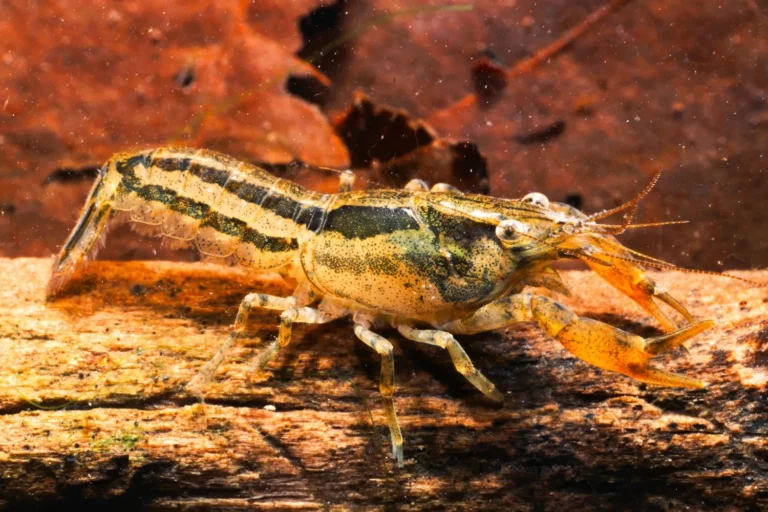
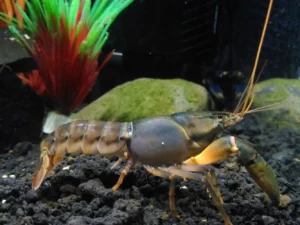
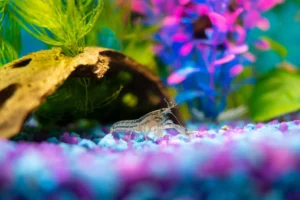
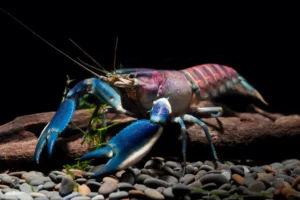
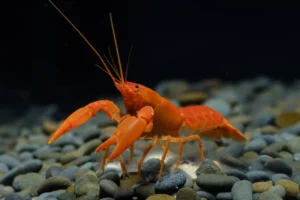
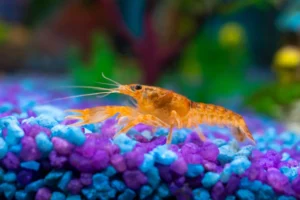
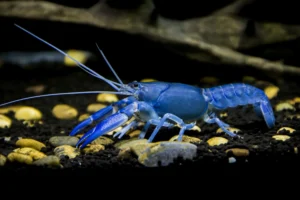
Cajun Dwarf Crayfish (Cambarellus shufeldtii) is a small, colorful dwarf crayfish prized for nano and planted tanks. It has a compact body with claws proportionate to its size and shows curious but cautious behavior around plants. Generally tolerant of planted aquaria but will dig and occasionally nibble soft plant tissue. Care is straightforward with stable water, plenty of hides, and adequate calcium for healthy moulting.
Quick overview
Cajun Dwarf Crayfish, Cajun Crayfish, Dwarf Crayfish
Territorial, opportunistic
40 liters (10 gallons) for one
Ideal aquarium setup
Provide a well-established planted tank or heavily decorated aquarium with plenty of hiding spots and stable water parameters. Keep temperature and chemistry steady and offer a mix of open floor space and dense cover to reduce conflict. A steady calcium source and regular maintenance will keep moulting healthy and stress low.
Recommend 40–80 liters (10–20 gallons) minimum for a single specimen with a wide footprint to allow roaming; increase volume substantially for multiple individuals. Floor space is more important than height because they spend almost all time on the substrate.
Moderate to low lighting encourages natural activity since they are more active at dusk and night, while very bright light tends to push them into hiding. Use hiding places and floating plants to diffuse intense light.
Generally plant-safe but prone to digging and occasionally nibbling soft leaves, so use robust or well-anchored species and densely planted areas to protect roots. Mosses and plants tied to wood are usually safest.
Low to moderate flow to keep detritus available for scavenging but avoid strong currents that stress them.
Fine sand or smooth gravel works best to allow digging without damaging delicate appendages and to mimic their natural substrate; a bit of crushed shell or calcium substrate helps moulting.
Provide multiple hides and caves using rocks, driftwood, coconut shells or PVC to break line of sight and give territorial retreats. Arrange structures so smaller subdominant animals can escape dominant individuals and create clear territories.
Behavior and temperament
Cajun Dwarf Crayfish are moderately territorial and establish small home ranges around preferred hides, with frequent displays rather than prolonged fights. They are largely nocturnal and do most feeding and exploration at night, which can surprise sleeping tankmates. Moulting periods make them vulnerable and they will hide until the new exoskeleton hardens. They may prey on small or slow tankmates and will nip fins or pick at shrimp.
Diet and feeding
They are opportunistic omnivores and scavengers that will eat detritus, plant matter, and animal protein; they help clean up uneaten food but will also take bites from slow or sick fish. A balanced diet and occasional protein and calcium supplements support growth and successful moulting.
What they eat in nature
detritus, algae, plant matter, small invertebrates, carrion
What to feed in the aquarium
- Sinking omnivore pellets
- Algae wafers and blanched vegetables
- Calcium-rich treats (cuttlebone or crushed shell)
Feeding schedule
Feed a small portion once daily that is eaten within a few hours, with calcium-rich supplements offered 2–3 times per week.
Special dietary needs
No strict special needs but regular calcium sources and occasional protein boosts help ensure clean moults.
Daily:
Provide a small daily feeding and remove uneaten food after a few hours to protect water quality.
Weekly:
Offer protein-rich treats 1–2 times weekly and add extra vegetables or algae wafers to vary the diet.
Always:
Always keep a source of calcium available and avoid overfeeding to prevent ammonia spikes.
Tankmate compatibility
They will hunt small or slow-moving animals at night and are best kept with midwater or fast-swimming fish that do not share the substrate. Territoriality means they can bother bottom-dwelling fish or other crayfish without plenty of space and hides. Species-only tanks or careful community choices work best for long-term harmony.
Yes with caution They will commonly prey on or outcompete ornamental shrimp, especially juveniles and slow species.
Small snails are often eaten and larger snails can be attacked or have shells chipped, so snail populations may decline.
Fast midwater schooling fish such as danios or rasboras can work because they occupy different zones and are quick enough to avoid night nips. Sturdy livebearers in midwater may also coexist if there are ample hiding spaces for the crayfish.
Semi-aggressive or territorial fish like some cichlids, gouramis, or large barbs can stress or injure crayfish and may in turn be bitten, so avoid pairing unless tank is large with many breaks and hides.
Males can be territorial and fights occur over shelters, so house singles in smaller tanks or keep groups only in larger tanks with many hides and visual barriers. Provide one hide per crayfish to reduce aggression.
Breeding
Breeding is usually straightforward in stable, well-maintained tanks; females carry fertilized eggs under the tail until they hatch. Juveniles require hiding spots and very clean water to survive the vulnerable early stages.
Difficulty
Easy They breed readily when water quality and shelters are good, though juveniles are vulnerable to predation and poor water conditions.
How they breed
Females carry eggs under the tail until hatching.
Best setup for breeding
Provide numerous small caves and dense planting to protect juveniles, keep water chemistry stable, and avoid large tankmates that will eat young crayfish. Separating a berried female into a species-only tank can improve survival rates.
Feeding the babies
Young feed on biofilm, microfauna and finely crushed foods; offer powdered foods, infusoria, and crushed sinking pellets to ensure growth. Maintain pristine water and ample hiding spots while they grow.
Pro tips
Add cuttlebone or crushed shells to the tank to provide an on-going calcium source for moulting.
Create many small territories with caves and plants to reduce visible aggression between individuals.
Remove uneaten food promptly to avoid ammonia spikes that stress crayfish during moulting.
Moulting issues
Weak or failed molts are usually caused by poor water quality or low calcium; improve water parameters and add calcium sources to help successful molts.
Escapes
Dwarf crayfish are skilled climbers and can escape through gaps; keep a tight-fitting lid and seal filter outlets to prevent losses.
Plant damage
Digging and occasional nibbling can uproot delicate plants; anchor plants, use heavier substrate or protect root zones with stones or pots.
Typical beginner mistakes
- Keeping with tiny shrimp or snail-only tanks
- Insufficient hiding spots for moulting
- Overfeeding leading to poor water quality
Short summary
The Cajun Dwarf Crayfish is a small, territorial but manageable species suited to planted and nano tanks with proper hiding places. It is generally plant-safe if plants are robust or well-anchored, but it will dig and occasionally nibble soft growth. Care is easy to moderate with stable water, adequate calcium, and good hiding structure.
Frequently asked questions (FAQs)
Are Cajun Dwarf Crayfish good for planted tanks?
Yes, they can be kept in planted tanks but may dig and uproot delicate plants, so choose robust species or anchor plants well.
Will they eat my shrimp and snails?
They commonly prey on small shrimp and snails, so keep shrimp with caution or in separate tanks.
How often should I feed them?
Feed a small portion once daily and remove uneaten food after a few hours; supplement with treats 1–2 times weekly.
Do they need extra calcium?
Yes, providing cuttlebone, crushed shells, or calcium-rich foods helps ensure clean moults.
Can I keep more than one in a tank?
You can keep multiple individuals in larger tanks with many hides, but territorial disputes mean space and shelters are essential.
How do I protect moulting crayfish?
Provide plenty of hides, maintain excellent water quality, and avoid tankmates that might harass them while their shells harden.