At a glance
Territorial
Nocturnal
Plant-shredder
Bold
Description
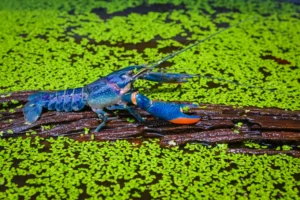
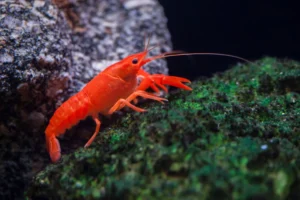
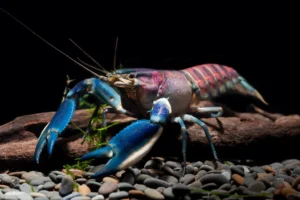
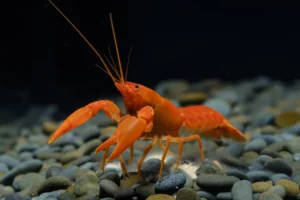
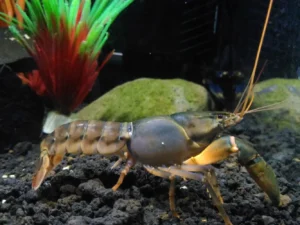
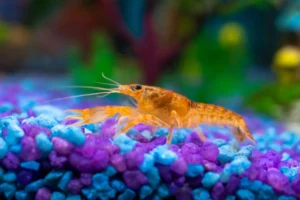
Diminutus Crayfish is a small, bold dwarf crayfish often kept for its active personality and compact size. The species (provisionally treated as Cambarellus diminutus in hobby literature) shows compact coloration and stout claws suited to digging and defending small territories. It will nibble on delicate plants and may uproot slow-rooting species while foraging, so choose plantings and hardscape accordingly. Care is straightforward with stable water, calcium for moulting, plenty of hides, and a broad floor area rather than height.

Quick overview
Diminutus Crayfish, Dwarf diminutus
Territorial, opportunistic
20 liters (5 gallons) for one
Ideal aquarium setup
Provide a low, wide tank with stable parameters, plenty of rock and root hides, and a soft layer of leaf litter or biofilm to graze. Keep water chemistry steady and offer calcium-rich supplements to support healthy moulting; fine substrate and caves reduce stress and injuries.
Recommend at least 20–40 liters for a single individual with a broad footprint; a 40–60 liter tank is better for small groups to give each crayfish floor space. Crayfish need horizontal territory more than height, so prioritize footprint over tall tanks.
Moderate to low lighting is best because these crayfish are more active in dim conditions and at night; bright light encourages hiding and can increase plant nibbling during daylight retreats. Use subdued lighting or floating plants to create shaded areas.
Mostly plant-safe with caveats: Diminutus will graze on soft growth and can uproot slow-rooting plants while digging. Choose tough stem plants, carpeting species anchored by rocks, or use pots and heavy root tabs to protect plantings.
Low to moderate flow to keep water oxygenated without disturbing leaf litter and burrows, as strong currents stress digging behavior.
Fine sand or smooth small-grain gravel is preferred to allow gentle digging and reduce damage to delicate limbs during burrowing. A layer of leaf litter or peat can boost biofilm for foraging.
Provide multiple hides, caves, and crevices made from slate, bogwood, or hollow decorations to offer moulting shelters and line-of-sight breaks. Arrange rocks and roots so individuals can claim discrete territories and retreat safely during conflicts.
Behavior and temperament
Diminutus Crayfish are territorial and active, especially at night, and will defend small shelters against intruders. They dig and forage along the substrate, which can lead to uprooted plants and rearranged hardscape. Moulting individuals are vulnerable and need secure hides, and larger or more aggressive tankmates can injure or stress them. Overall they are bold but require space for personal territories to minimize fights.
Diet and feeding
They are omnivorous scavengers that graze on biofilm, decaying plant matter, and protein foods, and they will opportunistically eat slow or injured tankmates. Offer a varied diet of sinking pellets, blanched vegetables, and occasional meaty frozen foods to cover nutritional needs.
What they eat in nature
detritus, algae, plant matter, small invertebrates, carrion
What to feed in the aquarium
- Sinking crustacean pellets or tablets
- Blanched zucchini, spinach, or peas
- Frozen bloodworms or daphnia once or twice weekly
Feeding schedule
Feed a small portion once daily or every other day, removing uneaten food after a few hours to prevent water quality decline.
Special dietary needs
Provide calcium-rich foods or cuttlebone and mineral supplements to support successful moulting.
Daily:
Offer a small feeding daily or every other day depending on tank bioload, watching that most food is consumed within a couple of hours.
Weekly:
Include one to two protein-rich feedings per week such as frozen meaty foods to balance plant matter and pellets.
Always:
Always remove uneaten food promptly and ensure a source of calcium is present at all times to aid shell hardening after moults.
Tankmate compatibility
They will prey on or harass slow or small tankmates and can be aggressive toward any bottom dwellers that enter their territory at night. Best kept with fast midwater fish or robust species that stay out of reach, or in species-only setups for peace. Avoid housing them with very small fish, shrimp, or delicate invertebrates unless there are abundant hiding places.
No No, shrimp are likely to be eaten or harassed unless the aquarium is very large with abundant cover and shrimp are much larger than juveniles.
Small snails are often eaten, while very large or heavily-shelled snails may survive but can be attacked during moulting periods.
Fast midwater swimmers like danios or hardy tetras can work because they spend little time on the substrate and can avoid nocturnal crayfish activity. Sturdy fish that do not investigate the bottom are the safest cohabitants.
Semi-aggressive or territorial fish can stress crayfish and provoke fights; fish that bully or pick at crustaceans may injure them or be injured by pincers. Avoid cichlids and larger gouramis unless the tank is very large with clear territory divisions.
Same-species keeping requires ample space and many hides because individuals will defend separate territories; small groups can work in larger tanks, but solitary housing reduces conflict for beginners.
Breeding
Breeding is achievable in home aquaria given stable water, plentiful hides, and good nutrition; females will carry eggs under the tail until they hatch. Juveniles need dense microhabitat and biofilm to survive; high water quality and protection from adults increase fry survival.
Difficulty
Easy to medium Their small size and prolific breeding in stable conditions make reproduction straightforward, but moulting timing and territorial aggression can complicate rearing.
How they breed
Females carry eggs under the tail and tend the young until they are free-swimming.
Best setup for breeding
Provide plenty of fine-leafed moss, leaf litter, and small caves so juveniles can hide from adults, and maintain pristine water quality. Isolating gravid females briefly can improve offspring survival in community tanks.
Feeding the babies
Young feed on biofilm, infusoria, and finely powdered foods; offer powdered spirulina, crushed flakes, and crushed pellets until they are large enough for normal sinking foods.
Pro tips
Offer cuttlebone or crushed coral in a mesh bag to provide a constant calcium source for moulting.
Secure lids and seal openings because small crayfish are excellent escape artists and will climb out at night.
Arrange multiple cave entrances so losing fights still allows a retreat to avoid serious injury.
Moulting issues
Poor water chemistry or low calcium often causes failed moults; improve water hardness gradually and add calcium supplements to help shells harden. Ensure plentiful hides so moulting individuals can hide and recover without harassment.
Escapes
Crayfish will climb and exit tanks if given a path; fit a tight lid and check filter and equipment openings and seal gaps to prevent escapes. Provide enough floor territory and hiding places to reduce exploratory climbing behavior.
Plant damage
Digging and grazing can uproot or damage delicate plants; protect roots in pots, anchor carpets with rocks, or choose sturdy plants that tolerate nibbling and disturbance.
Typical beginner mistakes
- Keeping them with very small shrimp or snails
- Insufficient hides leading to constant fighting
- Low calcium or unstable water parameters
Short summary
Diminutus Crayfish is a small, bold dwarf species that is territorial, nocturnal, and likely to nibble or uproot delicate plants. Care is manageable at an easy to medium level with stable water, calcium supplementation, and plenty of hides. Best kept in tanks with a broad footprint, appropriate tankmates, or as a species-only community.
Frequently asked questions (FAQs)
Is Diminutus good for planted tanks?
They are not fully plant-safe and can uproot or nibble soft plants, so choose tough plants, use pots, or protect roots to coexist.
Can they live with shrimp?
No, small shrimp are usually at high risk of predation unless the aquarium is huge with abundant cover and escape routes.
What temperature do they prefer?
Keep them in temperate conditions around 20–25°C (68–77°F) with stable parameters to reduce stress.
Frequency depends on age and growth; juveniles moult more often while adults moult less frequently, and each moult needs calcium and a safe hide.
Do they need special filtration?
Moderate filtration that maintains good water quality without strong current is best; sponge filters are ideal as they provide gentle flow and protect juveniles.
Are they easy to breed at home?
Yes, with stable water, plenty of hides, and good nutrition females will carry eggs and juveniles can be raised with moss and powdered foods, though separating juveniles from adults improves survival.