At a glance
Territorial
Plant-shredder
Escape-prone
Nocturnal
Description
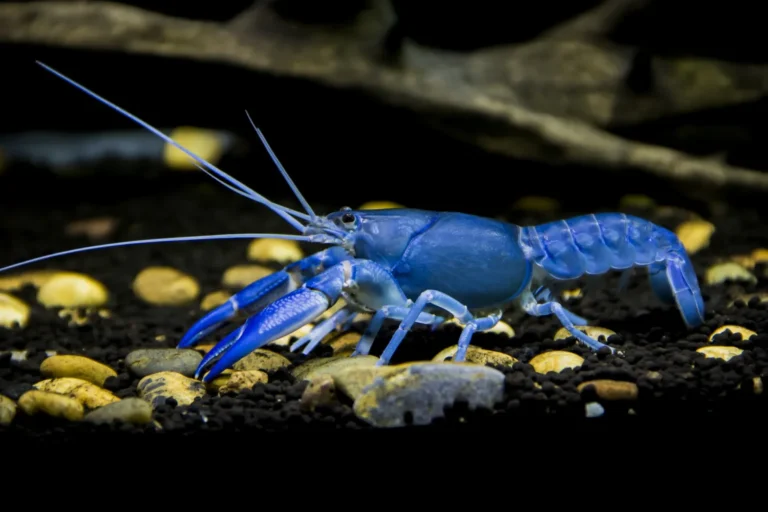
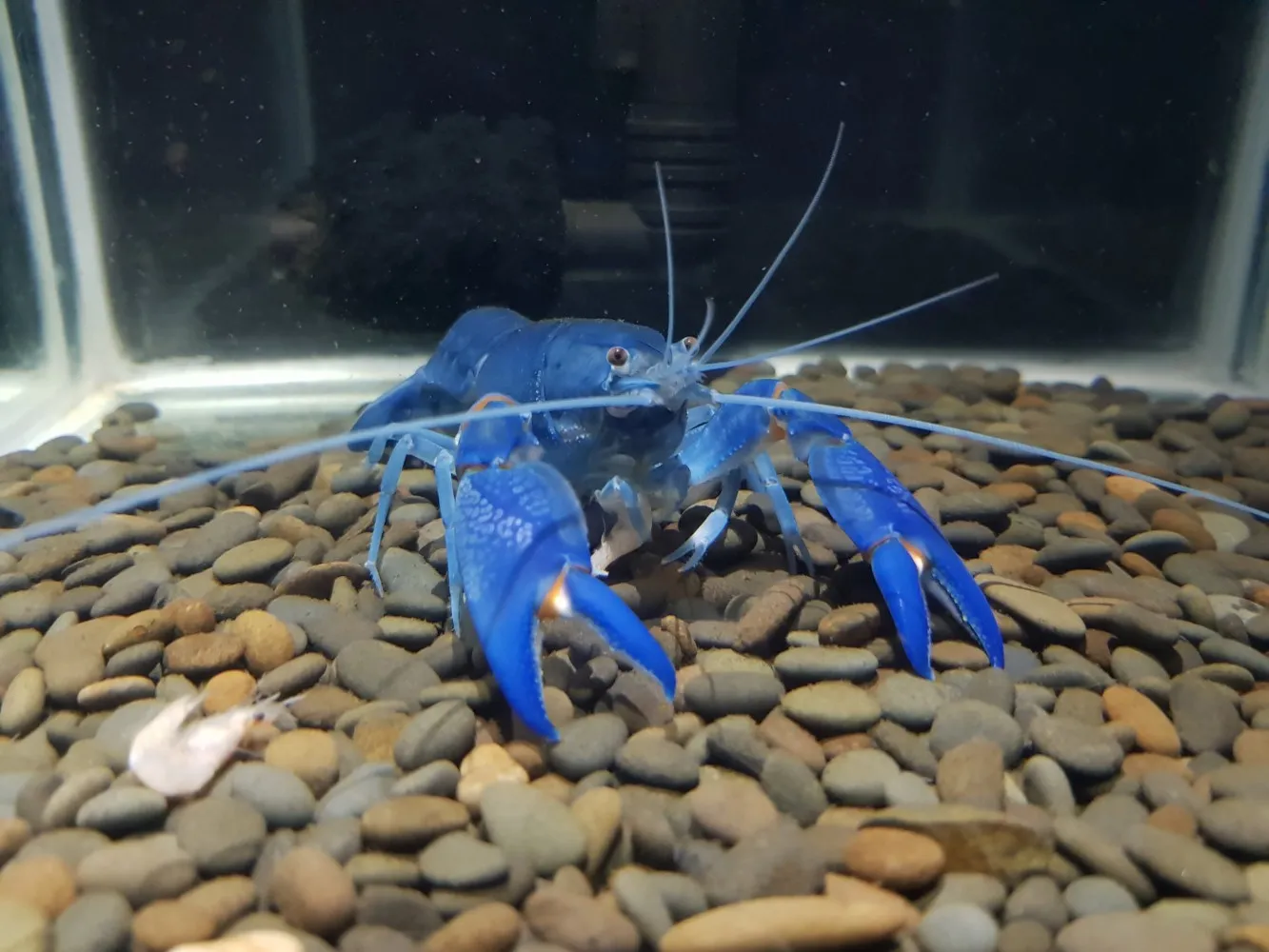
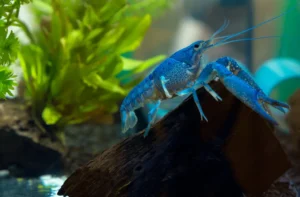
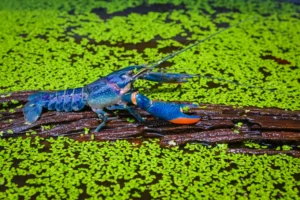
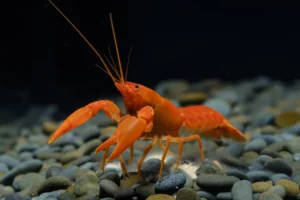
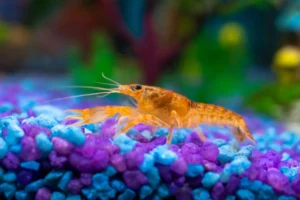
The Common Yabby is a sturdy Australian crayfish often kept by hobbyists and known scientifically as Cherax destructor. It has a stocky body and powerful claws and is prone to digging and uprooting plants. Yabbies are bold and territorial, mostly active at night and hiding during the day. They are hardy but need stable water, calcium for moulting, and plenty of hides.

Quick overview
Common Yabby, Australian Yabby, Yabby
Territorial, opportunistic
80 liters (20 gallons) for one
Ideal aquarium setup
Mimic a shallow riverbank with open areas and plenty of hiding spots made from rocks, driftwood, and ceramic caves. Provide stable water parameters, secure lid, and calcium sources to support healthy moulting. Expect plant loss unless plants are protected or robust.
Offer at least 80 liters (20 gallons) for a single adult with a broad footprint so the crayfish can roam and dig; larger tanks are needed for multiple individuals. Floor space matters more than height because crayfish are bottom dwellers.
Low to moderate lighting helps reduce stress and keeps them hidden during bright periods since they are largely nocturnal. Strong light can increase activity early and lead to more plant disturbance.
Not plant-safe in most layouts; Common Yabbies dig, uproot, and will nibble soft plants. Use sturdy, well-anchored species or protect roots with rockwork and pots.
Moderate, a gentle flow mimics their natural streams without stressing them and keeps water oxygenated.
Fine sand or smooth gravel with some depth is ideal to allow natural digging and to avoid claw damage.
Provide multiple caves and rock piles to break line of sight and establish territories, plus flat areas for feeding hides. Hides reduce aggression during moulting and give subordinate individuals refuge.

Behavior and temperament
Common Yabbies are bold and territorial, especially toward other bottom dwellers. They are mostly nocturnal and will hide by day, becoming active at night to forage and dig. During moulting they are vulnerable and retreat to hides until their shell hardens. They may hunt slow or injured tankmates and compete with others for shelters.
Diet and feeding
They are omnivorous scavengers that will eat plant material, detritus, and protein sources and will opportunistically feed on slow or sick tankmates. Offer a varied diet and include calcium-rich items to support moulting.
What they eat in nature
detritus, algae, plant matter, small invertebrates, carrion
What to feed in the aquarium
- Sinking crustacean pellets
- Blanched vegetables like zucchini or spinach
- Frozen meaty foods such as bloodworms
Feeding schedule
Feed once daily a portion they can finish in 20–30 minutes, removing leftovers to keep water clean.
Special dietary needs
Provide regular calcium sources such as cuttlebone or calcium-enriched foods to support healthy moulting.
Daily:
Feed a small measured portion once per day and remove uneaten food after 20–30 minutes to prevent water quality decline.
Weekly:
Offer protein-rich treats like frozen shrimp or bloodworms 1–2 times per week to support growth and breeding.
Always:
Always ensure a calcium source is available and maintain good water quality with regular partial water changes.
Tankmate compatibility
Yabbies are best kept with fast midwater fish or in species-only tanks due to their nocturnal hunting and territorial bottom behavior. They will prey on small invertebrates and can damage planted aquascapes, so choose tankmates that are quick, midwater orientated, or large and robust.
No They will usually prey on hobby shrimp, especially smaller or softer-shelled species.
Many snails are at risk and can become a food source, though very large-shelled species may survive if not easily overturned.
Fast-swimming midwater fish like danios or barbs can work because they generally avoid the substrate and are harder for a yabby to catch. Avoid slow bottom dwellers that share habitat space.
Large territorial cichlids or aggressive bottom hunters can stress or injure a yabby and may also attack it, so mixing is risky depending on sizes. Monitor interactions closely if attempted.
Adults are territorial and will fight, so keep single individuals or provide a large tank with many hides if keeping multiples. Males can clash and females may be harassed unless space and shelters are ample.
Breeding
Breeding is relatively straightforward in stable conditions; females carry eggs under the tail until they hatch and juveniles resemble tiny adults. Provide plenty of hides and stable water, and expect juveniles to be vulnerable to adults in the same tank.
Difficulty
Breeding is easy to medium because mating occurs readily but juveniles are vulnerable to predation and require good water quality and hiding places. Successful rearing needs careful separation or abundant cover.
How they breed
Females carry eggs under the tail until hatching.
Best setup for breeding
Provide many caves and dense rockwork so females and juveniles can hide, maintain stable water and calcium levels, and consider a separate rearing tank to protect young from adults. Good filtration and gentle flow help keep eggs and hatchlings healthy.
Feeding the babies
Young feed on biofilm and tiny particles; offer powdered foods, finely crushed pellets, and infusoria or biofilm-rich surfaces. Ensure frequent small feedings and strong cover to prevent adult predation.
Pro tips
Secure the lid tightly to prevent escapes, as yabby are excellent climbers and diggers.
Provide cuttlebone or crushed coral for a steady calcium source to improve moulting success.
Use multiple hides to reduce aggression and give moulting individuals safe refuge.
Moulting issues
Low hardness or insufficient calcium can lead to failed moults; raise calcium and stabilize water chemistry and offer hides so moulting individuals can shelter.
Escapes
Yabbies will explore and can climb or dig out of tanks; a tight-fitting lid and sealed gaps along with damp lid conditions prevent escape.
Plant damage
Digging and nibbling uproot delicate plants and bulbs; use pots, rock-anchored plants, or choose hardy species to reduce loss.
Typical beginner mistakes
- Keeping in too small or densely planted tanks
- Low water hardness or no calcium source
- Insufficient hiding places leading to frequent fights
Short summary
The Common Yabby (Cherax destructor) is a hardy, territorial Australian crayfish that is bold and nocturnal and tends to uproot plants. It is easy to keep for beginners who provide adequate hides, secure lids, and calcium for moulting. Expect plant damage and choose tankmates carefully or keep them in species-only setups.
Frequently asked questions (FAQs)
Are Common Yabbies good for aquascapes?
They are not ideal for planted aquascapes because they dig and uproot plants, though they suit hardscape-focused tanks with protected plants.
Younger yabby moult more frequently, every few weeks, while adults moult several times a year depending on growth and water conditions.
They can live with fast midwater fish or large robust species but will eat or harass slow bottom dwellers and invertebrates.
Do they need special water chemistry?
They tolerate a range of pH but need moderate to high hardness and available calcium to moult successfully.
Will a single tank house multiple yabby?
Multiple individuals can be kept if the tank is large with many hides and territories, but aggression and fighting are common without space.
What should I do after a failed moult?
Improve water quality and calcium availability, provide quiet hiding places, and remove aggressive tankmates; if infection or injury is present consult a vet or experienced keeper.