At a glance
Territorial
Nocturnal
Plant-shredder
Bold
Description
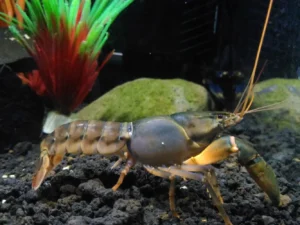
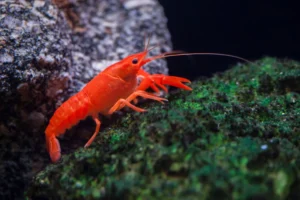
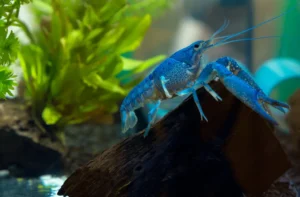
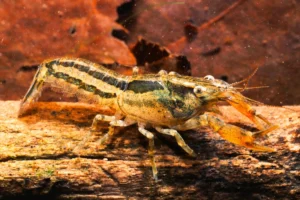
Apricot Crayfish (Cambarellus sp. 'Apricot') is a small, colorful dwarf crayfish prized in aquascaping for its warm orange tones and active substrate foraging. It is mildly territorial and mainly nocturnal, spending daylight hours tucked in caves or under wood. This crayfish may nibble on soft plants and can uproot seedlings, so choose hardy or attached plants for planted tanks. Care is straightforward with stable water chemistry, regular calcium, and plenty of hides to reduce aggression.
Quick overview
Apricot Crayfish, Apricot Dwarf Crayfish
Cambarellus sp. 'Apricot'
Territorial, opportunistic
40 liters (10 gallons) for one
Ideal aquarium setup
Mimic a shallow stream or pond floor with lots of hiding spots, smooth rocks and driftwood, and stable water parameters. Provide multiple caves and broken sight lines so individuals can claim separate territories, and use hardy, attached plants or mosses tied to hardscape to limit uprooting.
At least 40 liters (10 gallons) for a single individual with a preference for a longer footprint to increase usable floor space; groups require larger tanks with many shelters. Prioritize floor area and hiding places over tall water columns.
Low to moderate lighting suits this mostly nocturnal species and reduces plant stress and algae growth while encouraging natural hiding behavior. Brighter lighting can make them more reclusive and may require more secure hiding spots.
Not plant-safe for delicate species; it will often nip or uproot soft stem plants and bulbs. Use robust plants like Anubias and Java fern attached to rock or wood, and tie mosses down to protect roots.
Low to moderate flow to mimic slow-moving waters and allow the crayfish to forage without being buffeted by current.
Fine sand or smooth small-grain gravel is ideal for digging and comfortable moulting while minimizing injury to soft undersides.
Provide numerous caves, PVC tubes and rock piles for hides and to break line of sight and reduce fights. Secure heavy decor to prevent collapse during clashes and ensure multiple escape routes for subordinate animals.
Behavior and temperament
Apricot crayfish are territorial and will vigorously defend a chosen shelter, especially at night. They are bold but can be shy in daylight and need secluded spots for moulting. During moulting they are vulnerable and sensitive to water quality changes. They may prey on or harass slow bottom dwellers and small invertebrates.
Diet and feeding
They are opportunistic omnivores and active scavengers that eat plant matter, detritus and animal protein. Offer a varied diet of sinking pellets, vegetables and occasional meaty treats; they may also pick at slow or sick tankmates.
What they eat in nature
detritus, algae, plant matter, small invertebrates, carrion
What to feed in the aquarium
- Sinking omnivore pellets
- Blanched vegetables and algae wafers
- Frozen meaty foods like bloodworms
Feeding schedule
Feed once daily, offering only what they can consume within a few hours and removing leftovers to protect water quality.
Special dietary needs
Provide calcium-rich foods or cuttlebone to support healthy moulting and shell development.
Daily:
Offer a small portion daily and remove uneaten food within a few hours to avoid ammonia spikes and poor water quality.
Weekly:
Provide one or two higher-protein feedings per week to support growth and breeding while monitoring overall intake to prevent overfeeding.
Always:
Always ensure a reliable calcium source is present and maintain stable water chemistry and hardness to prevent moulting problems.
Tankmate compatibility
Apricot crayfish will eat very small or slow tankmates and can be aggressive when defending territory, particularly at night. They are best kept with fast midwater fish or in species-only tanks to avoid losses. Avoid pairing with small shrimp or bottom dwellers that cannot escape.
Small or thin-shelled snails are often attacked or eaten, while large robust snails may survive but still face occasional harassment.
Fast midwater schooling species like danios or larger rasboras may work because they stay out of reach and move quickly. Avoid slow-moving or bottom-dwelling peaceful species that can be targeted.
Semi-aggressive bottom fish such as loaches or some cichlids can injure or be injured by crayfish and may cause chronic stress. These pairings are risky unless the tank is very large with many shelters.
Multiple individuals can be kept if the tank is spacious with many hides and visual barriers, but expect territorial disputes among adults. Juveniles group more peacefully; separate or monitor adults if aggression escalates.
Breeding
Breeding is generally achievable in home aquaria; males and females mate and the female carries fertilized eggs under her tail. Stable water quality, abundant hides and slightly elevated hardness help egg development and juvenile survival. Young are vulnerable and need sheltered microhabitats to thrive.
Difficulty
Easy to medium as they breed readily when conditions are stable, but juvenile survival depends on plenty of cover and proper water chemistry.
How they breed
Females carry eggs under the tail until hatching.
Best setup for breeding
Provide many small caves, dense moss and leaf litter for juveniles and maintain clean water with slightly higher calcium and hardness. Consider separating aggressive adults or providing numerous shelters to reduce egg and juvenile predation.
Feeding the babies
Young feed on biofilm and microscopic organisms; offer finely powdered foods, crushed pellets and infusoria-sized feeds until they are large enough for whole pellets.
Pro tips
Keep a shallow soft sand layer to facilitate safe moulting and reduce injury.
Attach mosses and Anubias to hardscape to protect plants and provide grazing surfaces.
Use a secure lid and seal any openings because crayfish are escape-prone climbers.
Moulting issues
Failed moults are often caused by low calcium or unstable water chemistry; raise hardness slowly and provide calcium supplements and hides for vulnerable individuals.
Escapes
Crayfish will climb and find gaps in lids; install a tight-fitting cover and block pipe outlets to prevent escape.
Plant damage
They will nibble or uproot soft plants and seedlings; protect plants by attaching them to decor or choosing sturdy species that tolerate grazing.
Typical beginner mistakes
- Overstocking and poor water quality
- Insufficient hides causing fights
- Keeping with small shrimp or slow fish
Short summary
The Apricot Crayfish is a small, colorful dwarf species that is bold and territorial and not reliably plant-safe. It is suitable for aquascapes if you provide hardy or attached plants, stable water parameters and plenty of hides, making care easy to medium in difficulty.
Frequently asked questions (FAQs)
Are apricot crayfish plant safe?
No, they commonly nibble and uproot soft plants; use robust species or attach plants to hardscape.
Can they live with shrimp?
Not reliably; small shrimp are at high risk of predation and only large shrimp in heavily planted tanks sometimes survive.
They typically reach about 3–6 cm (1.2–2.4 inches) depending on sex and conditions.
What water chemistry do they need?
Aim for freshwater with pH 6.5–8.0, moderate hardness around 6–12 dGH and stable temperatures near 20–24°C (68–75°F).
How often should I feed them?
Feed once daily small portions and offer one or two protein-rich feedings weekly, removing uneaten food promptly.
Are they easy to breed at home?
Yes, they breed in home tanks with stable water and plenty of cover, but juvenile survival requires protected microhabitats and good water quality.