At a glance
Peaceful
Territorial
Bottom dweller
Dwarf species
Description
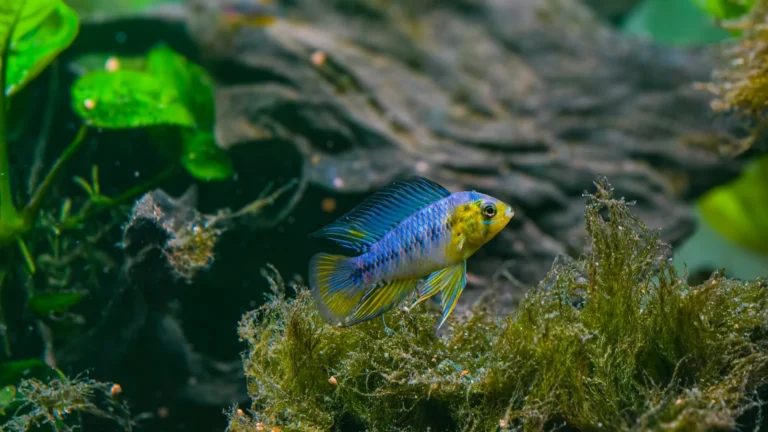
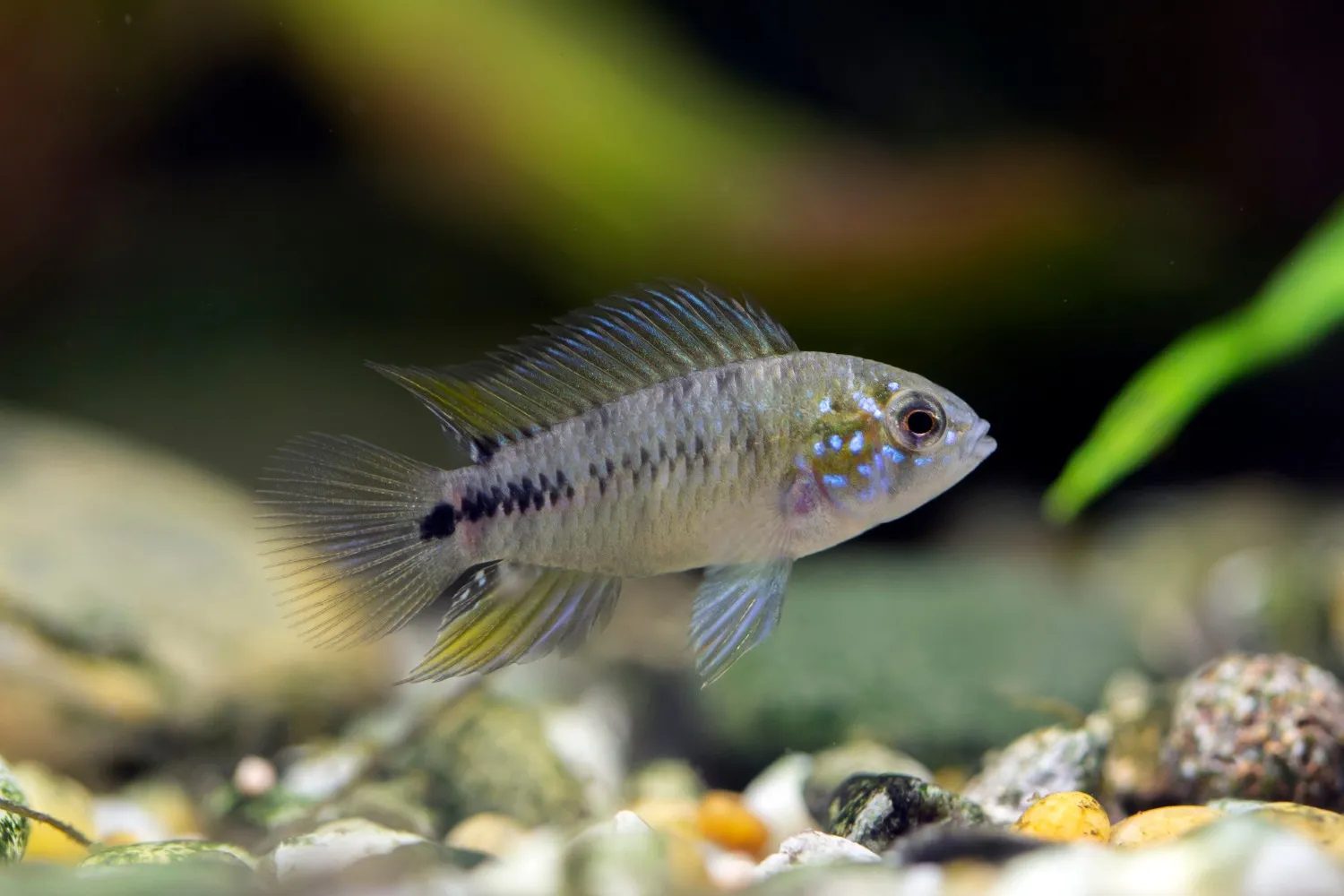
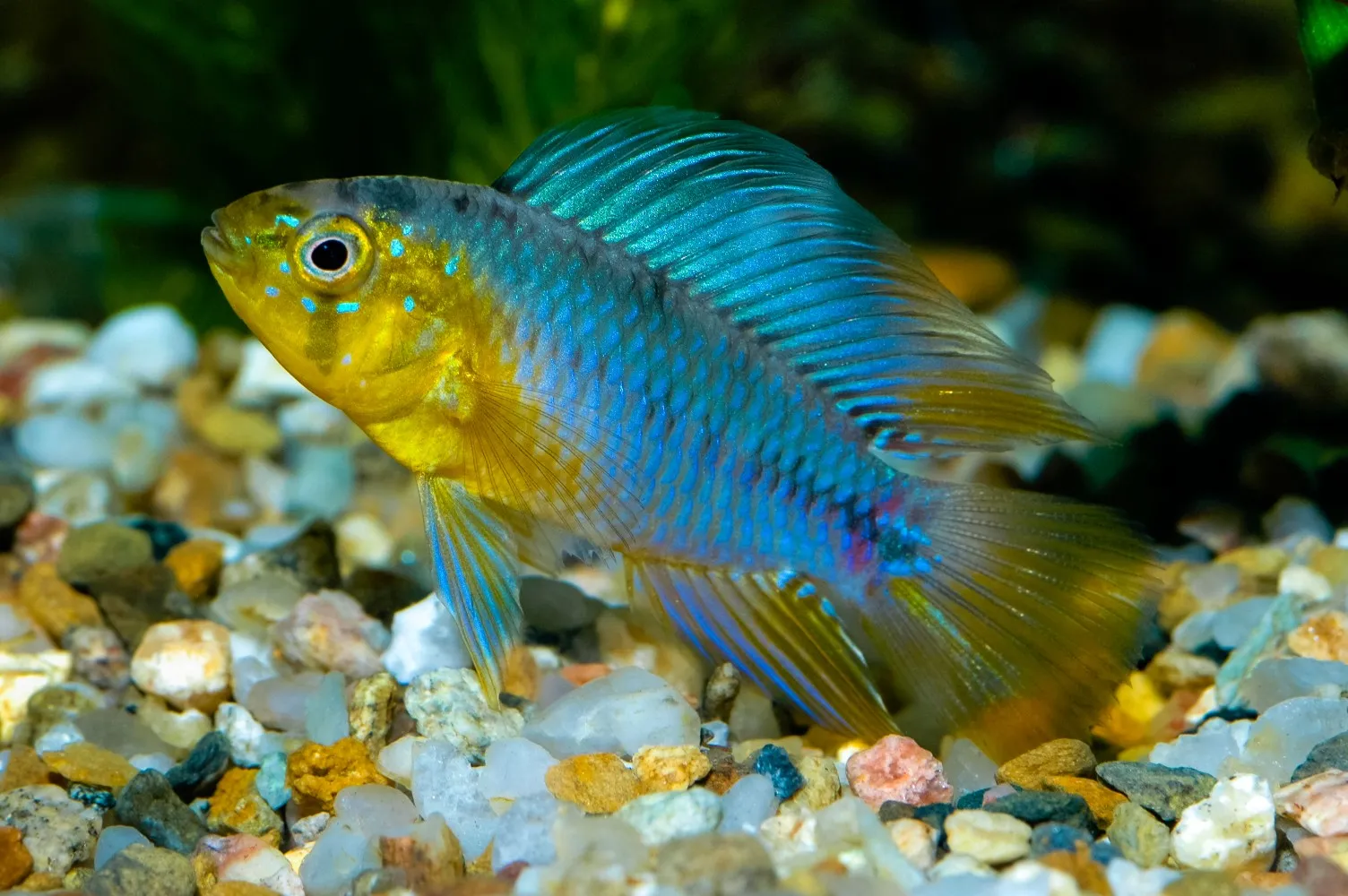
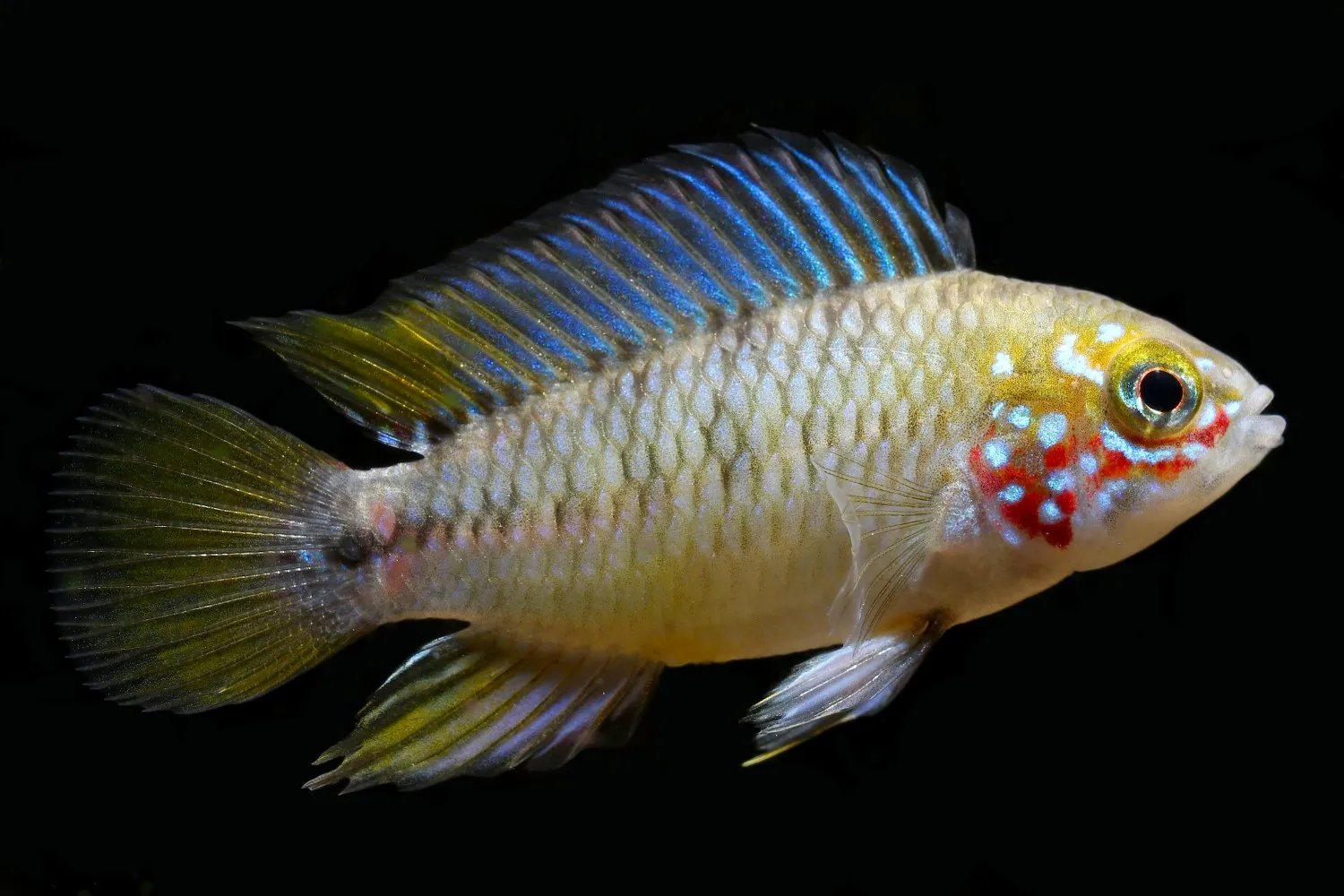
Umbrella Dwarf Cichlid (Apistogramma sp. 'Umbrella') is a small, attractive dwarf cichlid favored for planted aquascapes. It shows gentle social behavior with clearly defined territorial pairs and often vivid fin highlights in males. Care is straightforward when kept in stable, slightly acidic soft water with plenty of hiding places. These fish thrive where leaf litter, caves and low light recreate their natural microhabitat.

Quick overview
Umbrella dwarf cichlid, Umbrella apisto
Apistogramma sp. 'Umbrella'
60 liters (15 gallons) for a pair
Ideal aquarium setup
A planted, soft-water aquarium with stable parameters and plenty of sheltered spots suits this species best. Mimic a slow-moving blackwater stream with dark substrate, leaf litter and subdued lighting to keep them comfortable. Small caves and driftwood help reduce stress and define territories.
A 60–80 liter (15–20 gallon) tank is recommended for a bonded pair or a small harem of one male with two females. Larger tanks allow more stable water and safer territories if keeping multiple males.
Low to moderate lighting works best; bright light can make them shy while subdued light encourages natural behavior. Floating plants to diffuse intense light are beneficial.
Foreground mosses, Java fern, cryptocorynes and Anubias provide cover and grazing surfaces while rooted plants and floating species create shaded zones. Plants help reduce aggression by breaking sight lines and offer shelter for fry.
Low to moderate flow to simulate slow streams and keep water oxygenated without stressing them.
Fine sand or smooth dark substrate with leaf litter preferred to mimic their natural riverbeds.
Use driftwood, flattened roots and rock caves to create territories and hiding spots, leaving open areas for swimming and display. Thin layers of leaf litter enhance natural foraging and breeding behavior.

Behavior and temperament
Umbrella dwarf cichlids are generally peaceful but form clear territories around caves or chosen hiding spots. Males can be showy and slightly more assertive, especially during breeding, while females guard fry aggressively. They are sensitive to water quality and sudden changes, so a stable planted tank helps them remain confident and active.
Diet and feeding
They are omnivorous insectivores that favor small live foods but will accept prepared diets if varied. Offer a mix of small pellets, frozen foods and live microfauna to maintain color and condition and avoid overfeeding due to their small stomachs.
What they eat in nature
Small crustaceans, insect larvae, microinvertebrates, and detritus.
What to feed in the aquarium
- High-quality micro pellets and flakes.
- Frozen bloodworms, daphnia and brine shrimp.
- Live foods like microworms and copepods.
Feeding schedule
Feed small portions one to two times daily, only what they eat in 2–3 minutes.
Special dietary needs
No strict needs, but regular live or frozen foods greatly improve coloration and breeding condition.
Daily:
Daily: small portions of micro pellets or flakes split over one to two feedings.
Weekly:
Weekly: several feedings of protein-rich frozen or live foods like bloodworms or brine shrimp.
Always:
Always: maintain a varied diet and avoid overfeeding to preserve water quality and fish health.
Tankmate compatibility
Best kept with small, peaceful species that occupy midwater or open-water niches and will not bully them. Avoid large boisterous fish or fast nippy species that can stress or outcompete them for food. They do well with similarly sized tetras, rasboras and peaceful catfish.
Yes with caution - larger adult shrimp may be tolerated but juveniles are likely to be eaten, and some individuals will harass shrimp.
Most peaceful snail species are compatible and can help clean, though very small snails might be eaten if noticed.
Small tetras like neon or ember tetras, dwarf rasboras and peaceful pencilfish make good companions as they occupy different zones and are not aggressive. Small Corydoras or Otocinclus catfish are also good tankmates for bottom activity.
Avoid larger or boisterous fish such as barbs, larger cichlids or aggressive rasboras that may harass or nip fins. These species can stress Umbrella dwarf cichlids and disrupt territories.
Keep as a pair or a harem with one male and two females for stable social structure; multiple males will often fight unless in a very large tank with ample territories.
Breeding
Breeding is rewarding and fairly straightforward with the right setup: slightly softer, acidic water, dim lighting and available caves. Females typically choose a cave and guard the eggs while males display and defend the territory. A cool water change and high-quality live or frozen foods often trigger spawning.
Difficulty
Breeding is moderate in difficulty because they need stable soft, slightly acidic water and secluded caves; providing those conditions makes success much more likely.
How they breed
Cave spawner with the female guarding eggs and fry while the male defends the territory from rivals.
Best setup for breeding
Use a small breeding tank or a quiet corner of the main tank with low light, leaf litter and multiple caves; keep parameters soft and pH slightly acidic and offer frequent live/frozen foods. A dedicated breeder tank with sponge filtration helps protect fry and maintain water quality.
Feeding the babies
Start fry on infusoria or a liquid fry food, then move to newly hatched baby brine shrimp as they grow. After a couple of weeks, introduce microworms and finely crushed adult foods to broaden nutrition.
Pro tips
Provide multiple caves so females can retreat and reduce male-female conflicts.
Use Indian almond leaves or other leaf litter to lower pH slightly and encourage natural behavior.
Keep water changes small and frequent to avoid parameter swings that stress these fish.
Parameter instability
Sudden pH or temperature changes cause stress and illness; perform regular small water changes and monitor parameters to keep conditions steady.
Territorial stress
Overcrowding or lack of hiding spots increases aggression and stress; add caves and plants and avoid keeping multiple males in small tanks.
Poor coloration
Dull colors often result from inadequate diet or poor water quality; boost nutrition with live/frozen foods and maintain clean water for brighter coloration.
Typical beginner mistakes
- Keeping them in tanks that are too small or without hiding places.
- Sudden water parameter changes from large infrequent water changes.
- Feeding a monotonous diet lacking live or frozen proteins.
Short summary
The Umbrella Dwarf Cichlid is a small, attractive dwarf Apistogramma well suited to planted aquascapes with soft acidic water and plenty of caves. They require stable conditions, a varied diet and thoughtful tankmates but reward keepers with interesting behavior and good colors.
Frequently asked questions (FAQs)
Are they good for planted tanks?
Yes, they thrive in planted tanks where cover and leaf litter mimic their natural habitat and reduce stress.
Can they live with shrimp?
They can live with larger shrimp with caution, but small shrimp and baby shrimp are at risk of being eaten.
What water parameters do they need?
They prefer soft, slightly acidic water roughly pH 5.5–7.0 and temperatures around 24–28°C with low to moderate hardness.
How many should I keep together?
Keep as a pair or a harem of one male to two females for stable social behavior; avoid several males in small tanks.
How do I encourage spawning?
Provide caves, soft acidic water, a slight temperature dip via a water change and an increase in high-quality live or frozen foods to trigger spawning.
Are they beginner friendly?
They are suitable for beginners with some experience since they need stable soft water and careful tankmate selection but are not as demanding as many larger cichlids.