At a glance
Peaceful
Algae grazer
Plant-safe
Slow mover
Description
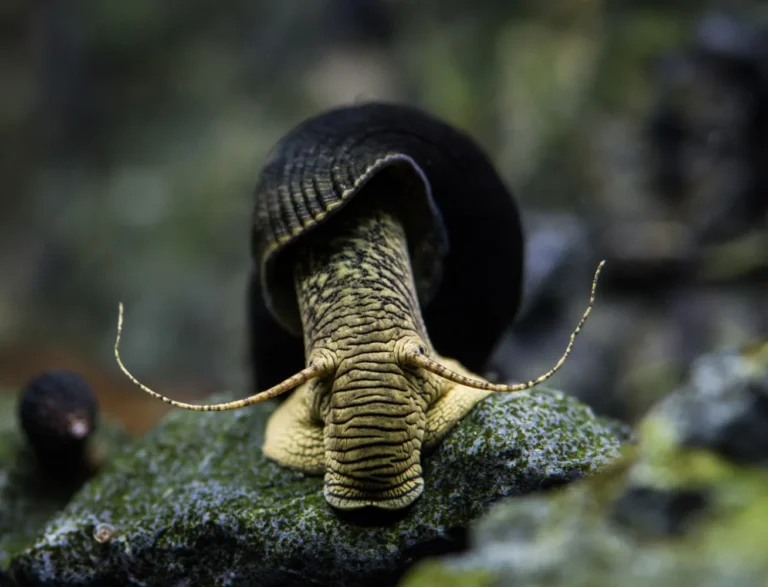
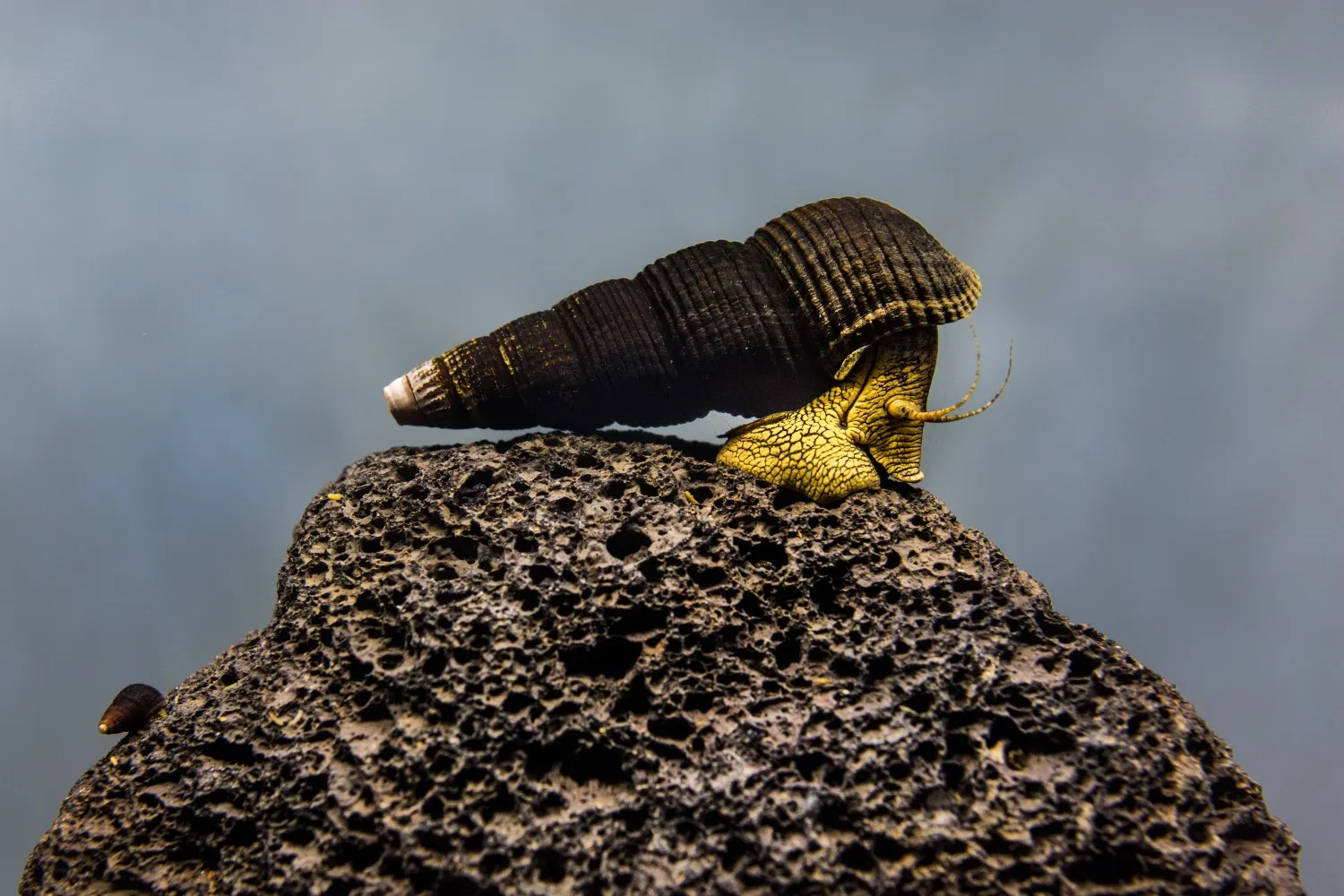
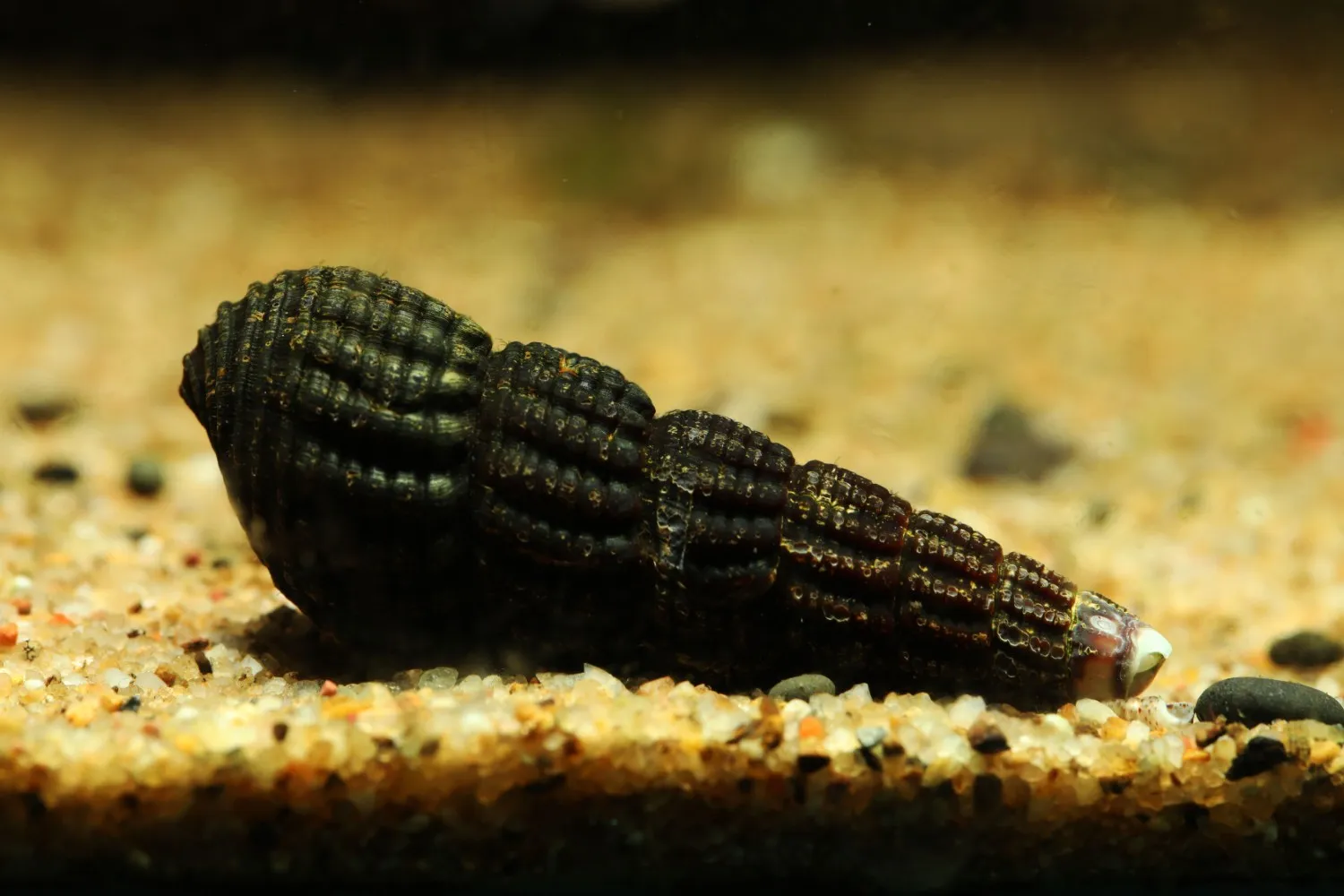
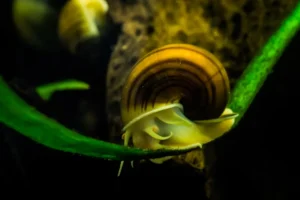
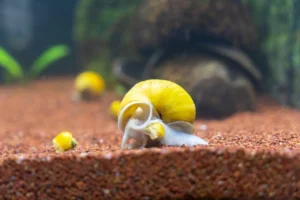
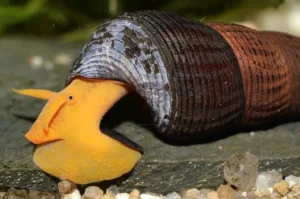
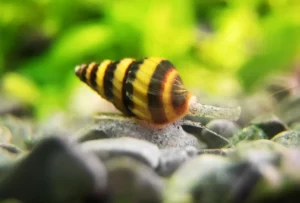
Rabbit snail (Tylomelania) are large, elongated freshwater snails with tall conical shells often patterned or banded and a smooth glossy finish that adds a natural focal point to aquascapes. They are slow-moving and deliberate, spending most time on hardscape and substrate grazing for algae and biofilm. Rabbit snails are peaceful and rarely disturb plants, making them suitable for planted tanks that can provide stable water conditions and calcium. Their size and calm behavior make them more of a long-term, decorative cleanup crew than a fast algae solution.

Quick overview
Rabbit snail, Tylomelania snail, Sulawesi rabbit snail
40 liters (10 gallons) minimum
Ideal aquarium setup
A planted aquarium with plenty of hardscape, driftwood, and smooth rocks mimics their natural habitat and gives surfaces for algae and biofilm to grow. Stable water chemistry is important, and regular calcium supplementation helps prevent shell wear. They are plant-safe in most cases but benefit from tanks with lots of surfaces to graze so delicate leaves are less likely to be nibbled.
Choose a tank of at least 40 liters (10 gallons) for a single adult and larger for groups, as these snails can grow quite large. Stable parameters and regular water changes are more important than a huge tank, but room to roam and consistent calcium levels are essential.
Fine gravel or sand works well since rabbit snails do not burrow deeply and prefer to crawl on surfaces. Avoid sharp substrates that could scratch their soft foot or shell.
Generally plant-safe; they mainly graze biofilm and algae rather than healthy plant tissue, though very soft-leaved plants can be occasionally nibbled. Provide plenty of hardscape and robust plant species to reduce any risk to delicate leaves.
Use smooth rocks, driftwood, and caves to create grazing surfaces and hiding spots; avoid sharp or abrasive edges that can damage shells. Provide vertical surfaces and crevices where biofilm accumulates and snails can retreat.
Low to moderate flow to keep detritus moving without forcing snails to cling tightly to surfaces.
Moderate lighting encourages some algae growth which provides natural food for rabbit snails, while very high light may require more maintenance to prevent excessive algae blooms. Balance light with plant demands so algae is available without overwhelming the tank.

Behavior and temperament
Rabbit snails are slow, deliberate explorers that spend hours grazing on surfaces for algae and biofilm. They are peaceful and ignore most tankmates, making them good additions to community planted aquariums. When stressed by poor water quality or low calcium they may retreat into their shells and reduce activity, so observation of behavior is a good indicator of tank conditions. They are not active climbers but will slowly ascend glass and decorations to feed.
Diet and feeding
They primarily graze algae and biofilm but will accept supplemental vegetables and sinking foods in the aquarium, and benefit from additional calcium sources. Offer blanched vegetables and occasional algae wafers to keep them healthy and prevent shell erosion.
What they eat in nature
Algae, biofilm, detritus, decaying plant matter, microorganisms
What to feed in the aquarium
- Algae wafers
- Blanched zucchini
- Blanched cucumber
- Blanched spinach or lettuce
- Sinking pellets
- Cuttlebone or calcium blocks
Feeding schedule
Offer supplemental vegetables every 2–3 days and provide algae wafers or sinking foods as needed based on grazing activity.
Special dietary needs
Regular calcium sources such as cuttlebone, mineral blocks, or crushed coral in the filter are important to maintain healthy shell growth.
Daily:
Check for uneaten food and remove it to prevent water quality issues; observe activity levels for signs of stress.
Weekly:
Provide a piece of blanched vegetable once or twice and top up calcium sources as needed during water changes.
Always:
Maintain stable water parameters and avoid copper-containing medications which are toxic to snails.
Tankmate compatibility
Rabbit snails are very peaceful and do well with other calm community species that will not harass them. They are vulnerable to snail-eating fish and aggressive predators, so choose tankmates that ignore or respect slow-moving invertebrates. Their grazing helps keep algae in check without damaging most plants.
Yes with caution - Shrimp and rabbit snails generally coexist well, but aggressive or predatory tankmates that target invertebrates can threaten shrimp or tiny snail juveniles.
They are compatible with other peaceful snail species though food competition can occur if algae is scarce.
Small tetras, rasboras, gouramis, and peaceful barbs are good companions as they do not bother snails. Avoid fish that nip or pick at invertebrates and choose species known for calm community behavior.
Loaches, puffers, and some cichlids may try to eat or harass rabbit snails and can injure or kill them; keep snails out of tanks with known snail predators. Larger predatory or aggressive fish are not recommended.
Rabbit snails breed slowly and do not explode into large populations, so keeping several together is usually fine if tank space allows. Provide stable conditions and enough surface area for grazing to support a small group.
Breeding
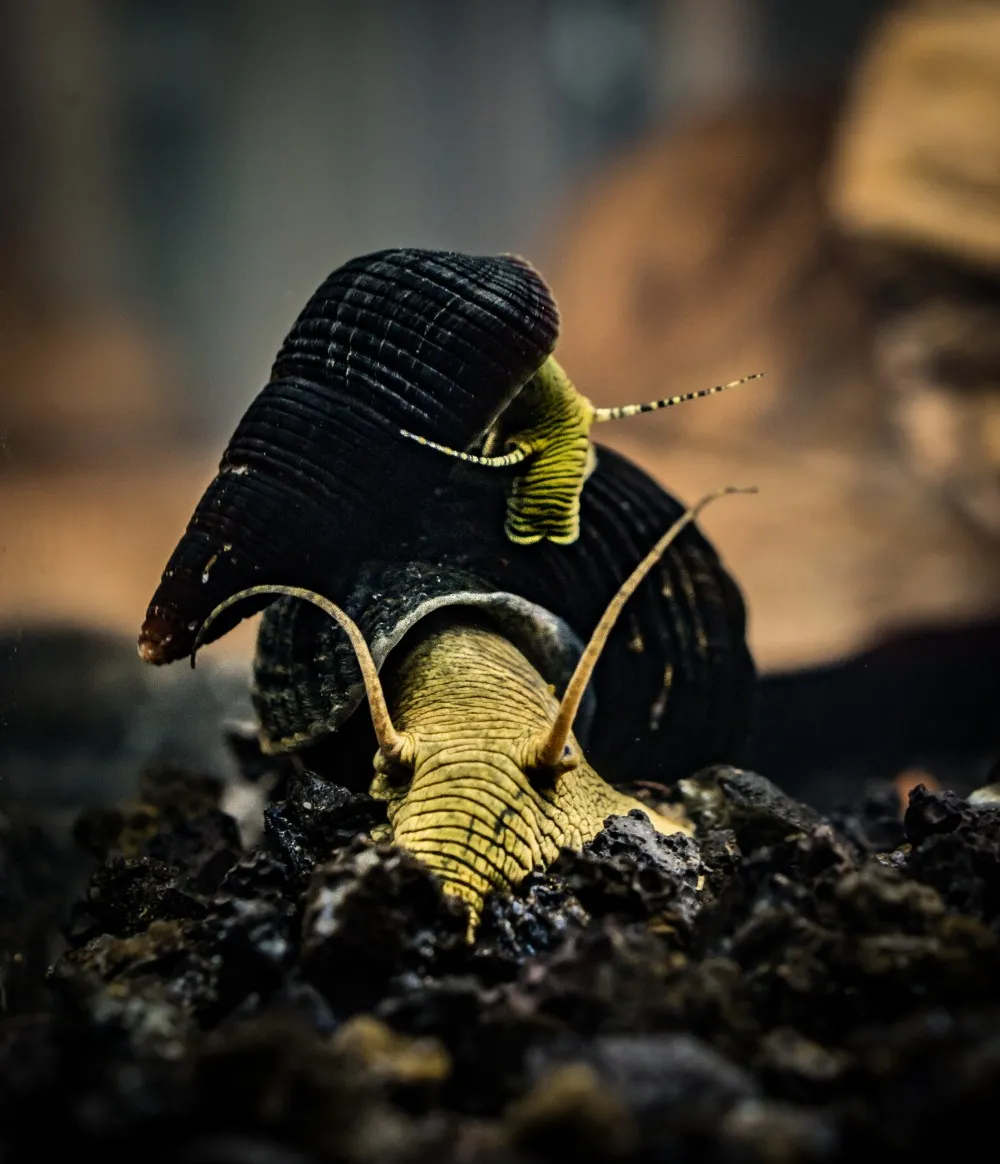
Rabbit snails are livebearing and adults give birth to live young in freshwater, with each female producing a small number of well-developed juveniles that look like miniature adults; this means you can see occasional babies in the tank without massive populations. Breeding is slow and brood sizes are small, so population growth in home aquariums is usually minimal. Young require the same stable water and calcium-rich conditions as adults to thrive.
Pro tips
Keep a piece of cuttlebone or a calcium block in the tank to prevent shell erosion.
Provide plenty of hardscape to encourage biofilm growth and reduce pressure on planted leaves.
Avoid copper-based treatments and perform gentle, regular water changes to maintain activity and health.
Shell erosion
Often caused by low calcium or acidic water; raise GH and offer calcium supplements like cuttlebone to repair and prevent further erosion.
Calcium deficiency
Leads to thin or pitted shells and slow growth; correct with mineral supplements, crushed coral in the filter, and regular dosing if needed.
Poor water quality
Stress and reduced activity result from ammonia, nitrite, or nitrate spikes; maintain filtration, regular water changes, and stable parameters to keep snails healthy.
Typical beginner mistakes
- Using very soft acidic water
- Keeping with snail-eating fish
- Overfeeding and poor maintenance
Short summary
Rabbit snails are peaceful, slow-moving grazers that add size and interest to planted aquascapes while helping control algae and biofilm. They are generally plant-safe and require stable water chemistry with reliable calcium supplementation. Suitable for moderate-experience keepers, they are a long-lived, low-reproduction cleanup crew rather than fast fix for heavy algae.
Frequently asked questions (FAQs)
Are rabbit snails good for planted tanks?
Yes, they are generally plant-safe and will graze biofilm and algae without damaging most healthy plants, though very soft leaves may be nibbled occasionally.
How big do rabbit snails get?
Adults commonly reach 6–12 cm depending on species, so plan tank space accordingly for adult size and movement.
Do rabbit snails need special water parameters?
They prefer stable, neutral to slightly alkaline water with moderate to high calcium and GH to support shell health.
Can rabbit snails live with shrimp?
Yes with caution; peaceful shrimp species are usually fine but avoid housing them with fish that prey on invertebrates.
How often should I feed rabbit snails?
Supplement with vegetables every 2–3 days and provide algae wafers or sinking foods as needed based on grazing activity.
Will rabbit snails overrun my tank?
No, they breed slowly and produce few well-developed young, so population explosions are uncommon in home aquariums.