At a glance
Hardy
Peaceful
Active grazer
Breeds easily
Description
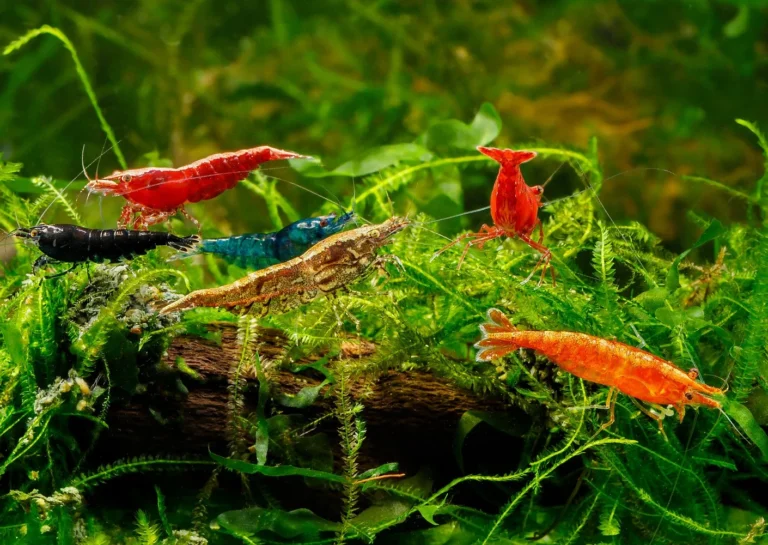
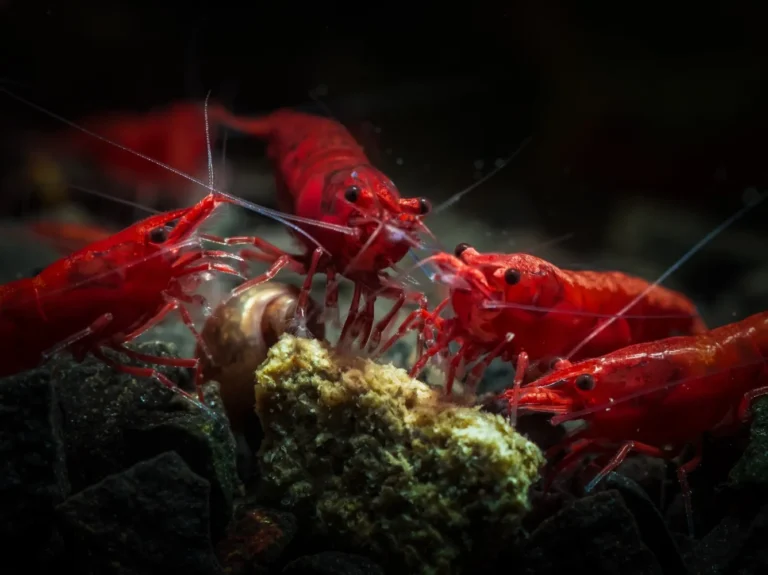
Cherry shrimp are small, colorful freshwater shrimp known for their bright coloration and active foraging behavior. They are hardy, adaptable, and breed readily in captivity, which makes them one of the most popular invertebrates for beginners. Their peaceful nature and constant grazing help keep aquariums clean. In planted tanks, they stand out beautifully while contributing to the ecosystem by eating algae and detritus.

Quick overview
Cherry shrimp, Neocaridina shrimp
1–1.4 inches (2.5–3.5 cm)
GH 4–8 dGH (soft to moderate)
Ideal aquarium setup
Cherry shrimp are happiest in a well-planted, mature aquarium with stable water and gentle filtration. They don’t need perfect water, but they do need things to stay consistent. Sudden changes in water hardness, mineral levels, or acidity can stress them out. A tank that’s been running for a while, with plenty of plants, hiding spots, and natural surfaces for biofilm, helps them feel safe, molt properly, and graze throughout the day.
A 5-gallon tank works for a starter colony, but larger volumes are more stable and support faster breeding. Bigger tanks also buffer parameter swings during water changes, which helps prevent molting issues.
Moderate lighting supports plant and algae growth, which provides natural food sources like biofilm. Very intense light is unnecessary for shrimp; a balanced planted tank is ideal.
Live plants like mosses, ferns, and stem plants provide cover, security, and biofilm-rich surfaces. Mosses and fine-leaved plants are especially valuable for baby shrimp, offering both hiding places and constant grazing areas.
Low to moderate flow. Avoid strong currents that can sweep shrimp around or stress newly molted individuals. Gentle circulation helps distribute oxygen and keeps biofilm growth healthy.
Fine gravel or sand works well. Dark substrates intensify shrimp coloration and make them easier to see. Mineral-rich substrates aren’t required, but stable GH (around 4–8) is important for molting and shell health.
Include shrimp-safe rocks, wood, and porous structures like lava rock. These surfaces quickly gather biofilm, offer hiding places, and give freshly molted shrimp safe spots to recover.
Behavior and temperament
Cherry shrimp are peaceful and spend most of their time grazing on surfaces in small groups. They are active throughout the day and rarely bother tankmates. During molting or after giving birth, females become more secretive and hide in plants or behind hardscape. A stable, quiet environment helps them display their natural behavior and bright coloration.
Molting and health
Cherry shrimp shed their shells as they grow, so finding empty shells in the tank is totally normal. Younger shrimp molt more often, while adults do it less. Because they like water with a bit of minerals, they usually molt without trouble, just as long as the water stays stable. Quick changes in hardness or mineral levels can cause them to get stuck in their old shell.
- If you notice soft or pale shells, your shrimp probably need a little extra mineral support.
- Calcium-rich foods, a small piece of cuttlebone, or shrimp-specific mineral products all work well.
- With steady water and the right minerals, cherry shrimp molt smoothly, bounce back fast, and keep the whole colony happy and healthy.
Diet and feeding
Cherry shrimp are omnivores and constant grazers that eat algae, biofilm, and detritus. In a mature tank, they supplement themselves naturally, but they still benefit from regular feedings.
What they eat in nature
Algae, biofilm, decaying plant material, and tiny microorganisms on submerged surfaces.
What to feed in the aquarium
Shrimp pellets, algae wafers, blanched spinach or zucchini, powdered foods for juveniles, and occasional protein-based treats (like baby brine shrimp).
Feeding schedule
Feed lightly 2–3 times per week, reducing frequency if algae and biofilm are plentiful. Small amounts are better than large feedings.
Special dietary needs
Shrimp benefit from calcium-rich foods to support molting. Avoid copper-containing foods or medications.
Daily:
Optional tiny feeding of powdered or small sinking foods if the tank is very clean.
Weekly:
Offer shrimp-specific pellets, algae wafers, or blanched vegetables 2–3 times a week.
Always:
Provide biofilm surfaces and plant growth.
Tankmate compatibility
Cherry shrimp are peaceful, gentle invertebrates that thrive in calm community tanks. Because of their small size and vulnerable babies, choosing the right tankmates is important for keeping the colony safe and allowing them to breed successfully.
Yes. They get along well with other Neocaridina and most Caridina species. Just keep in mind that Neocaridina will interbreed with other Neocaridina, producing wild-type offspring.
Yes. Snails like Nerites, Ramshorns, and Mystery snails are completely safe and make great cleanup partners.
Sometimes. Very small, calm fish like chili rasboras, ember tetras, endlers, and pygmy corydoras can work, but they will almost always eat some of the baby shrimp. Adults are usually safe, but breeding success may drop in community tanks.
Yes! Cherry shrimp do best in groups. A colony of 10–15 or more helps them feel secure, encourages natural foraging behavior, and boosts overall breeding success.
Breeding
Cherry shrimp breed easily in freshwater and often multiply without any intervention as long as water conditions are stable.
Difficulty
Easy, because cherry shrimp breed readily in home aquariums as long as the environment is stable. You don’t need special setups or advanced techniques; just good water quality and a stress-free tank are usually enough to get a thriving colony going.
How they breed
Females carry eggs (“berried”) under their abdomen until tiny, fully formed shrimp hatch and begin foraging immediately.
Best setup for breeding
A well-planted tank with mosses, gentle filtration, and minimal predation. Stable water parameters are key.
Feeding the babies
Baby shrimp eat biofilm, algae, and powdered foods. Mosses and sponge filters provide ideal grazing surfaces.
Pro tips
Cherry shrimp thrive when their environment stays calm and consistent, so the best thing you can do is keep the water stable. Instead of worrying about numbers, just aim for room-temperature water that doesn’t swing up and down, and do small water changes rather than big ones. They can handle a lot, but sudden changes stress them far more than imperfect conditions.
Feeding should also be kept simple: give them tiny amounts and focus on variety rather than volume. A mix of shrimp food, the occasional blanched vegetable and a naturally “dirty” tank with leaves or botanicals will keep them well fed without overloading the water. Shrimp actually do best when they spend most of their day grazing on the biofilm that grows in the tank, not eating big meals.
Set up the tank so it feels like a miniature jungle. Lots of moss, plants and small hiding spots make the shrimp feel safe and give babies places to grow without being disturbed. As a bonus, a planted, mossy tank produces tons of natural food and brings out their best colors.
Stress from being kept alone or in tiny groups
Cherry shrimp may be small, but they feel safest when they can see others of their own kind. If kept in too few numbers, they hide more, lose their bright coloration, and may stop breeding. A larger colony helps them behave naturally and stay active.
Fading colors
Dull or pale shrimp often struggle with stress, too-bright lighting, or tanks without enough plants and surfaces to graze on. Adding moss, leaf litter, and shaded areas helps them regain color, while stable water conditions keep their pigments vibrant.
Sensitivity to sudden changes
Cherry shrimp can handle a range of conditions, but they dislike quick shifts in temperature or water chemistry. Large water changes, inconsistent top-offs, or uncycled tanks can cause lethargy, failed molts, or sudden deaths. Gentle maintenance and stability make a huge difference.
Typical beginner mistakes
- Keeping them in tanks that are too small or poorly cycled
- Adding them before the aquarium is mature
- Keeping them with fish that nip, chase, or eat them
- Overfeeding, which lowers water quality
- Skipping plants, moss, or hiding spots
- Making big water changes with water that doesn’t match the tank
- Expecting intense red colors without good diet and low stress
Short summary
Cherry shrimp are hardy, colorful invertebrates that thrive in stable, planted aquariums full of moss, biofilm, and gentle hiding places. They are peaceful, easy to breed, and perfect for beginners as long as the water remains stable and the tank is not overcrowded with aggressive fish. With good plant cover, light feeding, and a calm environment, they develop deep red coloration and quickly form a lively, self-sustaining colony.
Frequently asked questions (FAQs)
How many cherry shrimp should I start with?
A group of 10–15 helps them feel secure and encourages breeding.
Do cherry shrimp need a heater?
Only if your room temperature drops below their comfort range of 18–29°C.
Why are my shrimp not red?
Stress, young age, weak genetics, or light-colored substrate can reduce coloration.
How long do cherry shrimp live?
About 1–2 years under good conditions.
Can I keep cherry shrimp with bettas?
It depends on the betta’s temperament, but babies will usually be eaten.
Every 4–6 weeks if conditions are stable and food is abundant.