Both
Goldenback Yellow Shrimp and
Orange Sakura Shrimp are popular color morphs of
Neocaridina davidi, but their visual impact in aquascapes differs beyond just color names. These two lines bring distinct tones and vibrancy that can influence how your planted tank feels. This article guides you through their color, breeding, and care differences to help you pick the right shrimp for your setup.
Quick comparison guide
Feature
Red Cherry Shrimp
Orange Sakura Shrimp
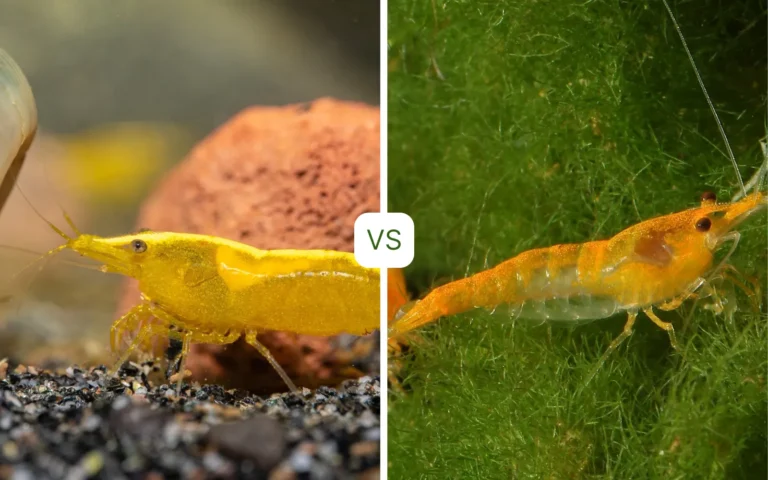
Warm golden yellow base with a subtle, rich hue.
Bright orange with a slightly cooler tone compared to Goldenback Yellow.
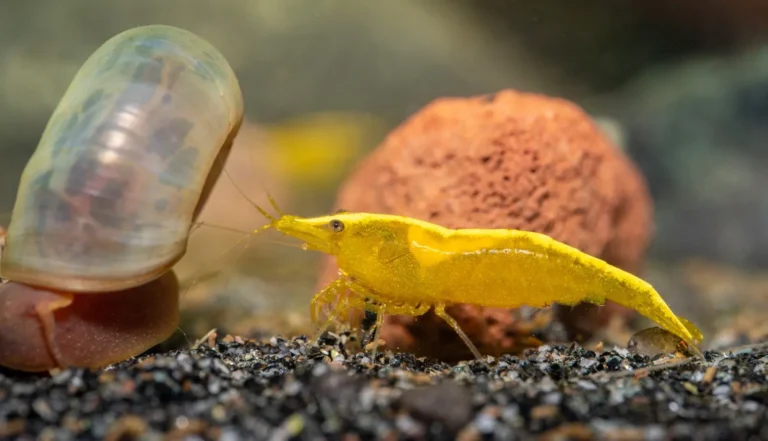
Displays a glowing yellow stripe along the back that stands out warmly in tanque lighting.
Has a bold, almost neon-like orange glow that really pops under good lighting.
Typically deep and opaque pigmentation concentrated on the dorsal stripe, with higher grades showing full, even coverage.
Even coverage over the body, with higher grades showing very saturated and uniform orange color.
Breeds mostly true when kept pure, but mixing with other Neocaridina lines may cause fading or dilution of the golden back.
Breeds true fairly consistently but can lose intensity if stressed or crossbred with other lines.
Ideal for aquascapers wanting a striking but warm contrast with moderate care needs.
Great for hobbyists wanting strong, vibrant colors and a lively tank presence.
Breeds true with stable water conditions; watch for color dilution if mixed or under stress.
Generally reliable breeders; maintaining true color needs clean lines and consistent care.
Prone to color fading when mixed with other Neocaridina morphs, especially those with dominant reds or blues.
Mixing with other lines often results in muddier offspring and partial color loss.
Moderate; needs stable parameters to maintain color intensity.
Moderate; benefits from stable water and selective breeding for best results.
Color variations and grading: What sets Goldenback Yellow Shrimp and Orange Sakura Shrimp apart?
Neocaridina color lines come in various grades based on color saturation and coverage. Stronger colors usually indicate higher quality or grade shrimp. Selective breeding aims to increase color consistency and reduce off-color or low-grade offspring. This grading helps hobbyists choose between show-quality and more common shrimp. Both Goldenback Yellow and Orange Sakura have mid to high-grade lines available.
Goldenback Yellow shrimp color characteristics
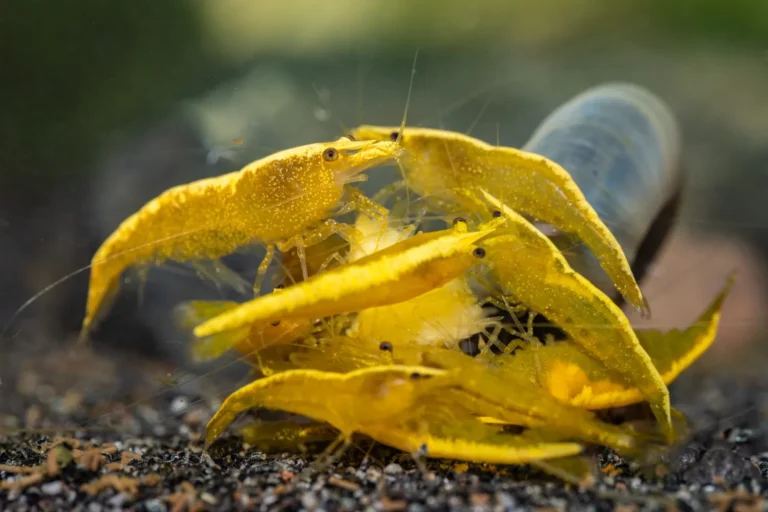
Goldenback Yellow Shrimp are prized for a rich, deep golden dorsal stripe that stands out with great opacity. The color looks warmer and more natural compared to yellows that tend to be flat or pale. This richness comes from selective breeding focusing on depth and evenness of the golden tone.
- Selective breeding focuses on dorsal stripe consistency
- Most sold shrimp are mid to high grade
- Lower grades with uneven color less marketed
An interesting fact is that Goldenback Yellow benefits from slightly warmer tank lighting to emphasize its warm hues.
Orange Sakura shrimp color characteristics
Orange Sakura Shrimp are known for bright, neon-like orange colors that make them lively in planted tanks. Their consistent, saturated body orange has been selectively bred for vibrancy and uniformity. Unlike Goldenback Yellow, the whole body of Orange Sakura shows strong color, making it stand out from multiple angles.
- Strong focus on uniform orange color
- Higher grades show intense saturation throughout
- Some variation in brightness across batches
Orange Sakura shrimps often perform well under cooler lighting to enhance their neon glow.
What you should consider in your aquascape when choosing color
Choosing between Goldenback Yellow and Orange Sakura depends on your tank’s style and goals. Goldenback Yellow suits more natural or warm-themed aquascapes wanting a subtle strong contrast. Orange Sakura works well for vibrant, colorful setups where you want shrimp to stand out boldly. If you prefer maintaining a pure line for breeding, consider keeping them separate to avoid muddy offspring. For mixed displays, consider which color harmony fits your plants and other livestock.
1. Substrate color
- Goldenback Yellow stands out best on dark soils that enhance its warm golden hue and reduce shrimp stress.
- Orange Sakura pops nicely on black or dark substrates which intensify their neon orange appearance.
2. Plant density
- Goldenback Yellow looks great in moderately to heavily planted tanks where the yellow contrasts well with green foliage.
- Orange Sakura really stands out in dense plants thanks to its bright orange that contrasts with leafy greens.
3. Lighting intensity
- Under typical aquascape lighting (6,000–7,000K), Goldenback Yellow shows a warm glow and subtle depth.
- Orange Sakura appears vivid and bright, often showcasing a vibrant neon effect under the same lighting.
4. Colony consistency
Colony consistency means breeding shrimp that reliably show the same color traits across generations, which is essential for maintaining a pure line. Selective breeding is crucial to keep the strength of the color, avoiding dilution or off-color offspring.
- Regularly select and breed strongest-colored shrimp
- Separate lower grade or less pigmented shrimp
- Maintain stable water to support color expression
Care requirements
Both shrimp are Neocaridina davidi and share similar care needs, so focus on keeping stable water parameters rather than exact numbers. Consistency in water chemistry helps keep shrimp healthy and their colors bright.
- Temperature: 20–26°C (68–79°F)
- pH: 6.5–8.0
- GH: 6–12 dGH
- KH: 2–8 dKH
- Ammonia/Nitrite: 0 ppm
- Nitrate: below 20 ppm
Price and availability for both shrimp
Goldenback Yellow shrimp may command slightly higher prices due to their distinctive golden stripe and moderate demand among aquascapers. Orange Sakura shrimp are similarly priced but may be more common depending on locality and breeder availability. Prices and availability fluctuate with region and breeder specialization.
Factor
Red Cherry Shrimp
Orange Sakura Shrimp
Goldenback Yellow shrimp tend to be moderately priced, reflecting their attractive color line and steady demand from hobbyists seeking unique hues.
Orange Sakura shrimp usually fall in the medium price range, balancing their vibrant appeal with relatively stable availability.
Fairly common, due to steady demand and established breeders focusing on this popular color variant.
Fairly common, as many breeders propagate Orange Sakura for its eye-catching, consistent coloration.
Breeding Goldenback Yellow Shrimp vs Orange Sakura Shrimp
Both Goldenback Yellow and Orange Sakura shrimp are relatively easy to breed with similar care requirements. They breed true best when kept in a pure colony with stable parameters and quality food. Separating color lines avoids muddied offspring and helps maintain strong pigmentation. Variability can occur if mixed or if water conditions fluctuate, causing color fading. The key to breeding both types is patience and good colony management. Frequent water changes and a nutritious diet improve success rates.
Can I mix Goldenback Yellow Shrimp and Orange Sakura Shrimp?
Mixing two Neocaridina color morphs like Goldenback Yellow and Orange Sakura usually leads to muddier colors over a few generations. Genetic mixing can push shrimp colors toward wild-type brown or desaturated tones. To preserve vibrant colors, it is best to keep color lines separate unless you want a mixed, natural look. Maintaining separate tanks or colonies will help you keep consistent shrimp coloration over time.
General advice:
- Keep distinct color lines in separate tanks to preserve vivid colors
- Only mix if you want a varied, natural color range
- Selective breeding reduces off-color in mixed colonies
Which shrimp is easier for beginners?
Between these two shrimp, Orange Sakura may be slightly easier due to its widespread availability and consistently stronger color expression across breeders. Goldenback Yellow requires a bit more attention to maintain its golden dorsal stripe and can fade more easily if water parameters slip. Both shrimp share similar care needs, so the difference comes down to maintaining color stability and sourcing quality stock. Beginners might find Orange Sakura less sensitive to small water fluctuations. However, both shrimp need selective breeding to keep high grades, so patience is key for either.
My personal advice
"I recommend starting with whichever color you find most visually appealing since both are similar to care for. Focus on stable water conditions and avoid mixing color lines if you want to see strong, true colors over generations. If you love warm tones, Goldenback Yellow adds a unique touch, but Orange Sakura is a bit more forgiving and bold in most lighting. Always source shrimp from reputable breeders to ensure healthy, vibrant stock. Happy shrimp keeping!" –
MSo, which one should you choose for your aquarium?
Both Goldenback Yellow and Orange Sakura shrimp thrive well in typical Neocaridina setups. Choosing between them depends on your desired tank look and breeding goals.
Choose Goldenback Yellow for warm hues
Select Goldenback Yellow if you want a warmer, more subtle contrast in your tank. Their glowing golden dorsal stripe adds unique warmth that complements natural aquascapes. Ideal if you enjoy a premium-looking shrimp and don’t mind a moderate effort to maintain vivid colors.
Choose Orange Sakura for bright vibrancy
Go with Orange Sakura if you're after vibrant, neon-orange shrimp that really pop against plants. They bring bold color easily visible from many angles and tend to be somewhat easier to keep bright with regular care. Great for lively, colorful tanks and beginner hobbyists.
Frequently asked questions (FAQs)
Do Goldenback Yellow and Orange Sakura shrimp require different water parameters?
Both share the same Neocaridina davidi care requirements and thrive under stable temperatures and clean water with similar pH, GH, and KH ranges.
Which shrimp has more stable color in offspring?
Both breed true when kept separate, but Orange Sakura generally shows slightly better color stability in young shrimp under optimal conditions.
Can I keep Goldenback Yellow and Orange Sakura shrimp in the same tank?
Keeping them together often leads to color mixing and duller offspring, so it’s best to keep them separate for color purity.
What substrate works best for each shrimp’s color pop?
Both shrimp show their colors best on dark substrates, which enhance their warm and neon tones while reducing stress.
Are these shrimp beginner-friendly?
Both are moderate for beginners; they need stable water and care but aren’t difficult once basic conditions are met.
Which shrimp is generally more affordable and available?
Both are fairly common, but Orange Sakura tends to be slightly easier to find and sometimes more affordable due to higher breeder availability.