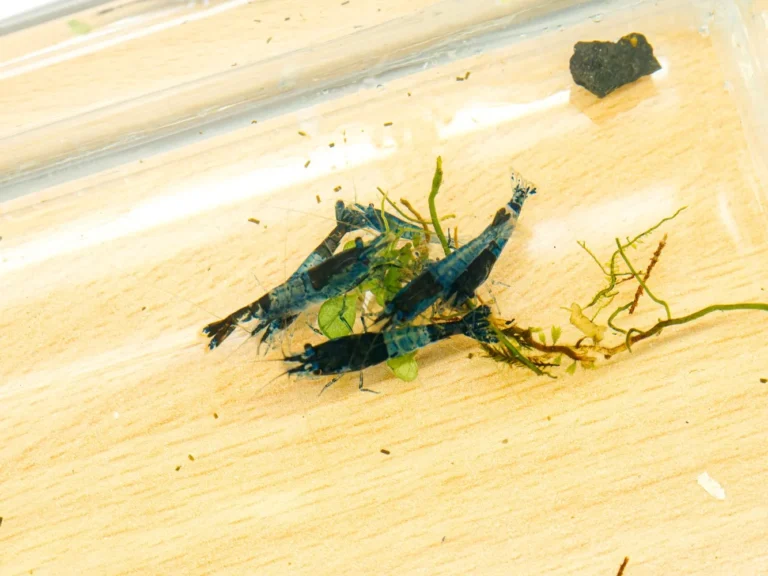
Both Blue Velvet Shrimp and Blue Dream Shrimp are popular Neocaridina davidi color morphs prized for their vibrant blue hues. They are often compared because while they share a similar base color, their appearance and impact in an aquascape can differ quite a bit. This article will help you decide which shrimp fits your tank style and breeding goals by looking at their color intensity, stability, and care needs. Considering lighting, plants, and setup can also highlight their differences in unique ways.
Quick comparison guide
Feature
Red Cherry Shrimp
Blue Dream Shrimp
Deep, rich blue with a cool undertone.
Bright, medium blue with a slightly pastel quality.
Velvety, opaque look that really stands out in tanks.
Soft, dreamy glow that blends subtly with tank plants.
Strong, even coverage with high-grade shrimp showing very dense color.
Moderate pigmentation that may appear lighter on lower grades.
Breeds true well when kept separate but can fade or mix if crossed with other lines.
Breeds fairly true but is more prone to fading and mixed coloring when crossed.
Ideal for aquascapers wanting bold contrast and breeders focused on stable lines.
Great for beginners and hobbyists who want a nice blue without premium prices.
Breeds reliably true with stable water parameters; watch for color dilution when mixed.
Fairly easy breeder, although color consistency can vary without selective culling.
Mixing with other Neocaridina lines often leads to color muddiness or reversion to wild-type.
Mixing often causes color loss and more wild-type offspring over time.
Moderate; requires consistent care to maintain vibrant color.
Beginner-friendly due to tolerance and lower cost backup stock.
Color variations and grading: What sets Blue Velvet Shrimp and Blue Dream Shrimp apart?
Neocaridina color lines come in grades based on how deep and even the coloration is. Higher grades have richer, more opaque color that really stands out. Selective breeding helps maintain these grades but lower grades are less consistent and less marketed. This grading affects appearance and breeding results.
Blue Velvet shrimp color characteristics
Blue Velvet Shrimp is considered a premium color line because of its deep blue opacity and rich pigment coverage. The velvety matte finish gives it a bold presence in any tank. Its color depth is usually more intense than similar blue morphs.
- Selective breeding focuses on high-grade specimens
- Most sold are mid to high grade
- Lower grades are rare and less promoted
Its rich color also tends to reflect light uniquely, adding to its appeal.
Blue Dream shrimp color characteristics
Blue Dream Shrimp is prized for its soft, pastel blue look that gives a gentle glow. While not as dense in pigmentation, it offers a calm and attractive color that complements many aquascape styles. It’s often seen as a more accessible blue morph.
- Selective breeding aims to keep softer colors consistent
- More variation exists in color intensity
- Lower grades are common but manageable
Its subtle shine makes it a favorite for peaceful tank visuals.
What you should consider in your aquascape when choosing color
Choosing between Blue Velvet and Blue Dream depends on your tank style and goals. If you want a strong, rich contrast with a pure color line, Blue Velvet is a solid choice. For a more blended, softer look, Blue Dream works well, especially in lush planted tanks. Also consider if you plan to keep a pure line or allow mixing for a varied display.
1. Substrate color
- Blue Velvet Shrimp stands out best on dark substrates like black gravel or soil for maximum contrast.
- Blue Dream Shrimp appears brighter and less stressed on medium-toned substrates such as dark brown or soft blue gravel.
2. Plant density
- Blue Velvet Shrimp contrasts sharply against dense green plants, enhancing its bold color depth.
- Blue Dream Shrimp blends beautifully in planted tanks but may need moderate density to avoid fading into background colors.
3. Lighting intensity
- Under typical 6,000–7,000K lighting, Blue Velvet shows a vivid and deep blue pop with impressive velvet sheen.
- Blue Dream looks soft and glowing under the same light, with less intense brightness but a charming shine.
4. Colony consistency
Colony consistency means your shrimp offspring keep the same vibrant color as their parents, which is key for selective breeders. Strong selective breeding helps minimize color variation and maintain line purity.
- Practice selective culling to keep only the best-colored shrimp.
- Separate lower-grade or faded shrimp from the main line.
- Breed from the strongest, most vibrant individuals.
Care requirements
Both shrimp are
Neocaridina davidi and need the same stable water conditions to thrive. It’s more important to maintain steady parameters than to chase exact numbers.
- Temperature: 20-26°C
- pH: 6.5-8.0
- GH: 6-12 dGH
- KH: 2-8 dKH
- Ammonia/Nitrite: 0 ppm
- Nitrate: Below 20 ppm
Price and availability for both shrimp
Blue Velvet Shrimp usually costs more due to its intense color and harder-to-maintain line quality. Blue Dream is often more affordable and easier to find, making it accessible for beginners. Availability often depends on local breeders and imports, so prices and stock vary widely.
Factor
Red Cherry Shrimp
Blue Dream Shrimp
Expect a high price for Blue Velvet Shrimp because of its rich color and selective breeding demands.
Blue Dream Shrimp is priced medium, reflecting its nice color and easier availability.
Fairly common; maintained by dedicated breeders due to demand for premium blues.
Common; widely available from many sources as a beginner-friendly blue shrimp.
Breeding Blue Velvet Shrimp vs Blue Dream Shrimp
Both shrimp breed similarly since they share species traits. Blue Velvet requires careful line management to keep color intensity consistent, while Blue Dream can be less predictable in offspring color but is overall easier to breed. Stable water, quality food, and separating lines prevent unwanted color mixing. Watching for color fading in juveniles helps improve future batches. Separate breeding tanks speed up color-focused selection.
Can I mix Blue Velvet Shrimp and Blue Dream Shrimp?
Mixing Blue Velvet with Blue Dream or other Neocaridina color morphs usually results in muddier, less vibrant colors and an increase in wild-type offspring over time. To keep pure colors, it's best to breed them separately. Mixing can be fun for varied looks but not if color consistency is a priority.
General advice:
- Keep color lines separate to preserve appearance.
- Use distinct breeding tanks when possible.
- Accept some color variation if mixing in display tanks.
Which shrimp is easier for beginners?
Overall, Blue Dream Shrimp tends to be easier for beginners thanks to its lower price and higher availability. It is more adaptable and less demanding on line quality, which suits casual hobbyists. Blue Velvet requires more attention to maintain its premium color and can be trickier to breed true. However, neither shrimp differs in basic care. If you want strong colors and are willing to put in extra effort on breeding, Blue Velvet is worthwhile. For simple, consistent enjoyment, Blue Dream is a solid pick.
My personal advice
"I recommend starting with Blue Dream Shrimp if you’re new to Neocaridina or want a pretty blue that’s easier to keep and breed. Once comfortable, you can try Blue Velvet for a more dramatic color pop that takes more care. Always prioritize stable water and gradual changes over chasing perfect numbers. Avoid mixing lines unless you like unexpected results. Happy shrimp keeping!" –
MSo, which one should you choose for your aquarium?
Both Blue Velvet and Blue Dream Shrimp can thrive and add beauty to your aquarium. The best choice depends on your goals such as visual impact, breeding, and budget.
Choose Blue Velvet for bold color
Pick Blue Velvet Shrimp if you want a deep, rich blue that stands out sharply in your tank. It suits aquascapers aiming for strong contrast and breeders focused on purity and color stability. Keep in mind it requires slightly more care and investment.
Choose Blue Dream for ease and glow
Go with Blue Dream Shrimp if you prefer an approachable, beginner-friendly blue with a soft, glowing appearance. It’s easier to find and breed, making it great for casual hobbyists wanting a calming blue tone in lush planted tanks.
Frequently asked questions (FAQs)
Do Blue Velvet and Blue Dream shrimp require different tank conditions?
No, both are Neocaridina davidi and share the same care needs focused on stable water parameters.
Which shrimp has more stable offspring colors?
Blue Velvet shrimp generally breed more true with less color fading compared to Blue Dream.
Can I mix Blue Velvet with Blue Dream shrimp in one tank?
You can, but mixing often leads to muddier colors and loss of pure lines in offspring.
What substrate works best for showing off these blue shrimp?
Dark substrates highlight Blue Velvet best, while Blue Dream looks good on medium-toned substrates.
Is one shrimp easier for beginners to breed?
Blue Dream shrimp are typically easier for beginners due to their higher availability and tolerances.
Does lighting affect how these shrimp look in the tank?
Yes, Blue Velvet pops under bright light with a velvet finish, while Blue Dream shows a softer glowing effect.