At a glance
Colorful
Plant safe
Shy
Sensitive
Description
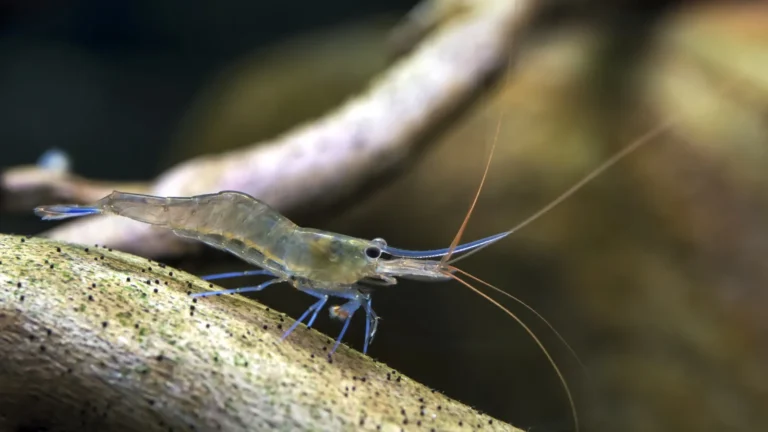
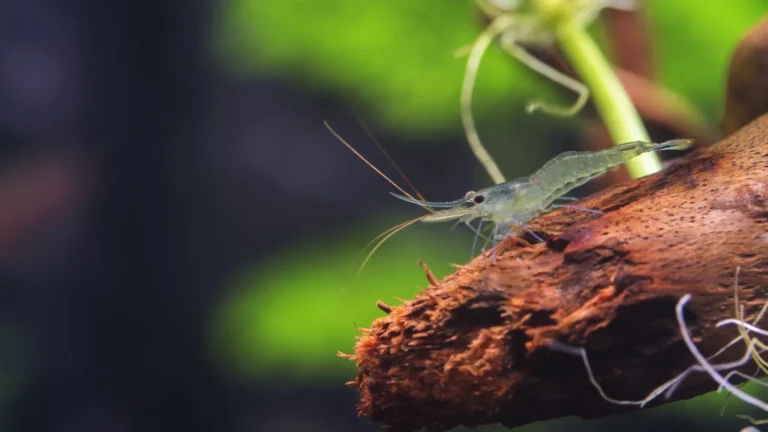
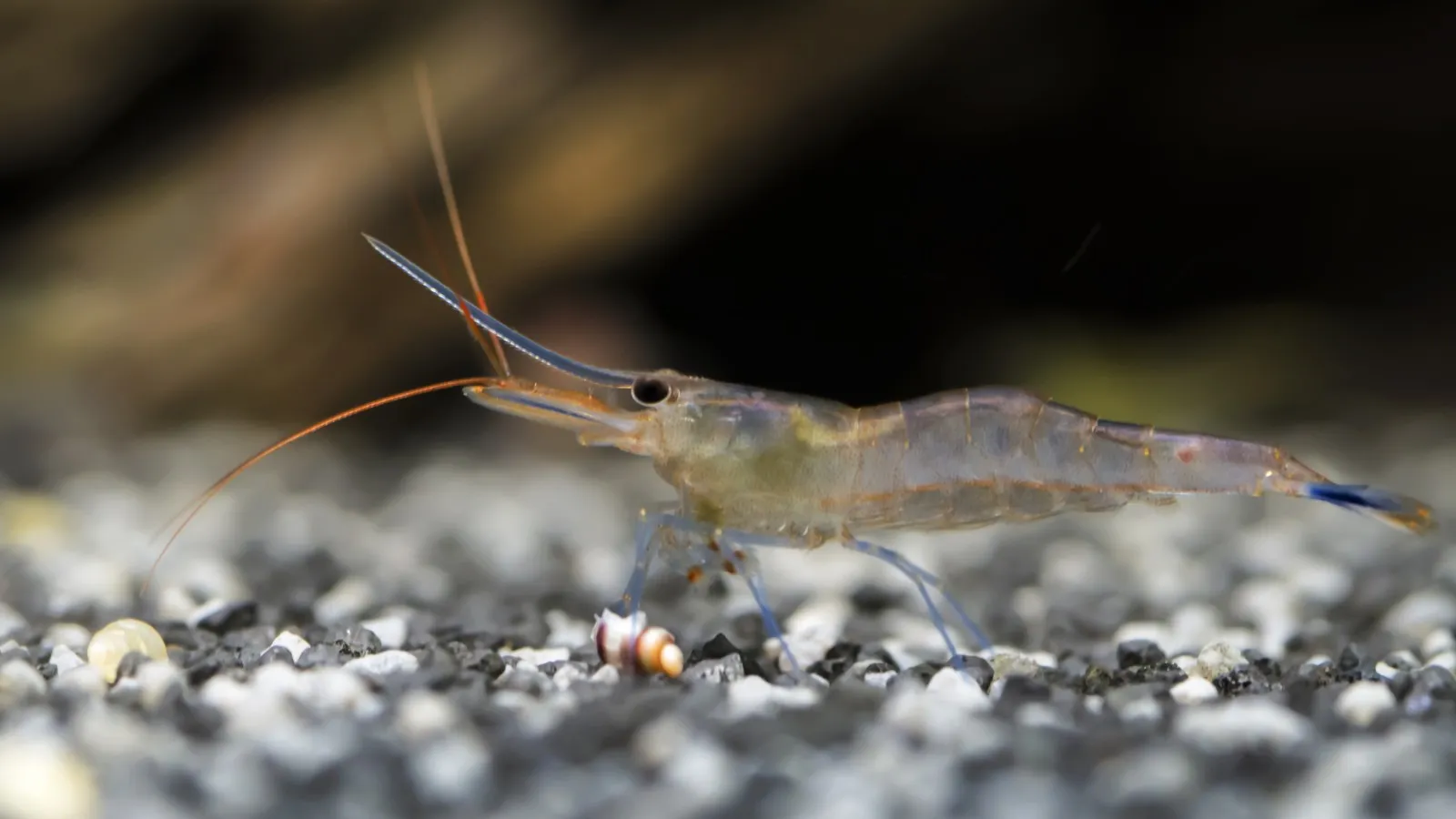
Blue Leg Poso Shrimp (Caridina caerulea) is a small, attractive Caridina with blue-tinted legs and subtle body patterning that suits planted nano aquariums. It is fully plant-safe and spends most of its time grazing on biofilm and algae among mosses and leaves. They prefer stable, slightly acidic soft water and moderate temperatures, and benefit from gentle filtration and plenty of hiding places. Care focuses on stable parameters and mineral balance rather than heavy feeding.

Quick overview
Blue Leg Poso Shrimp,Blueleg Poso Shrimp,Poso blueleg
20 liters (5 gallons) for a colony
Ideal aquarium setup
Aim for a well-planted nano-style tank with lots of mosses and low-light carpeting plants to encourage biofilm growth; include driftwood and leaf litter for tannins and grazing surfaces. Provide multiple small hides and smooth crevices so shrimp can retreat during molts, and focus on long-term stability in temperature and chemistry rather than rapid changes. Avoid strong currents and aggressive filtration that can stress delicate shrimp.
A 40–60 liter tank is ideal for a comfortable, stable colony and easier parameter control; smaller 20 liter tanks can work but require more frequent monitoring. More volume means more stable water, which Caridina shrimp greatly benefit from.
Moderate to low lighting encourages algae and biofilm without stressing shrimp or promoting nuisance algae; intense light can increase temperature and shift biofilm composition. Soft lighting helps shy shrimp feel secure and encourages foraging in planted areas.
Fully plant-safe; dense plantings like Java moss, flame moss, and carpeting plants provide grazing surfaces and cover. Floating plants and fine-leaved mosses are especially helpful for juveniles and molting adults.
Low to moderate, to keep biofilm available without causing strong currents that stress shrimp.
A slightly acidic active substrate or buffering soil is preferred to help maintain low pH and stable soft water for this Caridina species.
Use smooth driftwood, spiderwood, and stones to create crevices and low-light retreats, and include abundant mosses and leaf litter for grazing and shelter. Cork bark and coconut hides work well for molting areas.
Behavior and temperament
These shrimp are peaceful and spend most of their time grazing in groups among moss and leaf litter. They are shy and may hide when startled, becoming more outgoing as they acclimate to a stable tank. Molting can make individuals reclusive for a day or two and they appreciate plenty of cover when vulnerable. Activity is highest during dawn and dusk and when biofilm is abundant.
Molting and health
Molting occurs regularly as shrimp grow, usually every few weeks for juveniles and less frequently for adults; successful molts require stable water and sufficient minerals. Signs of molting problems include stuck molts, discolored shell, or lethargy, often due to sudden parameter swings or mineral deficiency. Keep parameters steady and provide places to hide to reduce stress during molts.
- Provide a mineral supplement or remineralizer designed for Caridina
- Maintain very stable water parameters and avoid sudden changes
- Offer cuttlebone or crushed coral in a separate dish if GH drops too low
Diet and feeding
Blue Leg Poso Shrimp are omnivorous scavengers that rely heavily on biofilm, microalgae, and detritus; supplemental feeding keeps them healthy but should be modest. They will readily accept quality shrimp pellets, blanched vegetables, and occasional algae wafers while continuing to graze on natural tank microflora. Overfeeding leads to water quality problems, so prioritize natural grazing and small, measured portions of prepared foods.
What they eat in nature
biofilm, algae, detritus, plant matter, microorganisms
What to feed in the aquarium
- High-quality shrimp pellets
- Algae wafers in small amounts
- Blanched zucchini or spinach
- Leaf litter such as Indian almond leaves
- Powdered biofilm foods for juveniles
Feeding schedule
Feed small portions 2–3 times per week, only what is consumed within a few hours to avoid fouling the tank.
Special dietary needs
Requires a low to moderate mineral level with adequate trace elements and occasional calcium sources to support healthy molts.
Daily:
Daily observation is recommended to check activity, grazing, and signs of stress, but they do not need daily heavy feeding. Rely on natural biofilm as the main daily food source.
Weekly:
Supplement the diet 2–3 times weekly with small portions of pellets, vegetables, or wafers to provide balanced nutrition. Remove uneaten food within a few hours to protect water quality.
Always:
Always provide leaf litter and moss to support continuous biofilm production and hiding spots that improve survival and breeding.
Tankmate compatibility
These shrimp are best kept with peaceful tankmates that will not prey on them; avoid any fish large enough to eat shrimp. Small microfish and peaceful invertebrates are the safest companions in a shrimp-focused tank. Never mix with aggressive or larger predatory species.
Yes with caution - Can be kept with other Caridina species that share similar soft acidic requirements, but avoid mixing with Neocaridina because of different water preferences and potential stress.
Most small, peaceful snails like Nerite and Malaysian trumpet snails coexist well and help clean algae without harming shrimp.
Small nano fish such as Galaxy rasboras (Celestial Pearl Danio), micro rasboras, and pygmy corydoras are generally safe with adult shrimp. Even these fish may take shrimplets, so provide dense cover and breeding areas.
Semi-aggressive or larger fish like larger tetras, gouramis, or cichlids pose a significant predation risk and should be avoided in a shrimp-centered aquarium.
They are social and do best in groups, forming loose colonies where juveniles grow among adults; space and abundant hiding places reduce stress. A stable group helps maintain natural behaviors and increases breeding success.
Breeding
Breeding is possible in home aquaria but requires stable soft, slightly acidic water and consistent conditions. Females that are well-fed and stress-free will carry eggs regularly in suitable tanks.
Difficulty
Breeding is moderately challenging; Caridina species need stable pH, low KH, and consistent GH values, so beginners must maintain stable water and good husbandry.
How they breed
Females carry eggs under the abdomen until hatching.
Best setup for breeding
Provide dense mosses, leaf litter, and a sponge filter in a stable, dedicated breeding tank with soft acidic water and no predators. Maintain excellent water quality and avoid sudden parameter changes to improve fry survival.
Feeding the babies
Juveniles feed on biofilm, infusoria, and powdered foods; supply abundant biofilm and finely powdered fry foods or crushed pellets. Small amounts of liquid or powdered shrimp food support early growth before they graze on tank microflora.
Pro tips
Stabilize water parameters gradually when moving or adjusting a colony to avoid shock.
Use Indian almond leaves and driftwood to boost tannins and encourage biofilm growth.
Perform gentle weekly water changes with matched water to keep parameters steady.
Parameter swings
Rapid pH or temperature changes can cause stress, failed molts, and mortality; keep transitions slow and predictable.
Poor molting
Insufficient minerals or unstable water chemistry can lead to stuck molts and shell deformities; provide minerals and stable GH.
Overfeeding
Excess food leads to ammonia spikes and poor water quality, which quickly harms sensitive Caridina shrimp.
Typical beginner mistakes
- Keeping them with incompatible fish
- Using hard alkaline water without adjustment
- Overfeeding and poor maintenance
Short summary
Blue Leg Poso Shrimp (Caridina caerulea) are attractive, plant-safe Caridina that prefer soft, slightly acidic water and stable conditions. They are peaceful and shy, thriving in densely planted nano tanks with plenty of moss and hiding places. Care is medium difficulty, focusing on water stability, proper minerals, and modest feeding.
Frequently asked questions (FAQs)
Are Blue Leg Poso Shrimp good for beginners?
They are suitable for hobbyists with some experience maintaining stable soft water; not the easiest for absolute beginners.
What water temperature do they prefer?
They do well around 20–24°C (68–75°F); avoid rapid temperature swings.
Can they live with Neocaridina shrimp?
Mixing is not recommended because Neocaridina prefer harder, less acidic water and can stress Caridina.
How often should I change water?
Weekly small water changes of 10–20% with matching parameters help maintain stability and water quality.
Do they need special food?
No special food is required; high-quality shrimp pellets and occasional blanched vegetables complement their biofilm diet.
How do I encourage breeding in my tank?
Provide stable soft acidic water, abundant moss and leaf litter, low stress, and consistent food sources to encourage females to spawn.