At a glance
Colorful
Sensitive
Plant-safe
Peaceful
Description
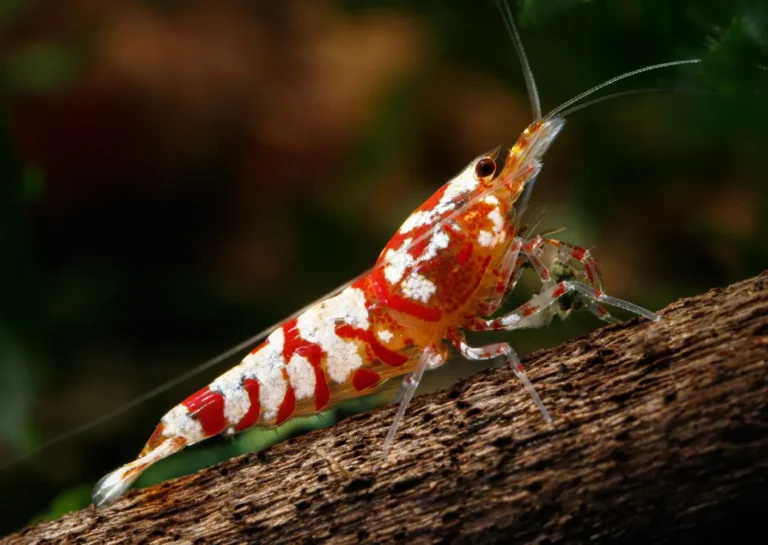
Red Tiger Shrimp (Caridina mariae) are a striking Caridina dwarf shrimp known for red banding and clear patterning. They are gentle grazers that do no harm to live plants and prefer heavily planted tanks with plenty of biofilm. These shrimp are moderately sensitive to water chemistry and do best in stable, slightly acidic, soft water and cooler temperatures. Care requires attention to stable parameters, mineral balance for molts, and a well-established colony to thrive.

Quick overview
Red Tiger Shrimp, Tiger Shrimp
20 liters (5 gallons) for a colony
Ideal aquarium setup
Recreate a soft-water, forest-floor stream with lots of live plants, fine leaf litter, and hiding places; stable temperature and chemistry are crucial. Include low to moderate lighting and abundant biofilm growth so shrimp can graze without frequent supplementary feeding. Prioritize shrimp-safe filtration and avoid copper-based treatments.
A 20–40 liter tank is a practical starting point for a small colony, but larger volumes provide more stability and easier parameter control for healthy breeding. Allow plenty of horizontal space and multiple hiding spots so juveniles can escape adults.
Low to moderate lighting encourages biofilm growth and reduces stress; very bright light can increase algal blooms but may cause shrimp to hide. Balance light to support plants while keeping grazing surfaces shaded.
Fully plant-safe; dense carpeting plants, Java moss, and floating plants offer grazing surfaces and cover. Mosses are especially valuable as biofilm hotspots and nursery areas.
Low, as strong currents stress shrimp and reduce biofilm availability.
Prefer acidic, buffering shrimp soils or peat-influenced substrates to maintain soft, slightly acidic conditions favored by Caridina. Avoid high-carbonate inert gravels unless you control KH separately.
Use fine-leafed mosses, driftwood, and smooth stones to create crevices and grazing surfaces; caves and PVC tubes make good hides. Leaf litter and cholla wood add natural biofilm and shelter.
Behavior and temperament
Red Tiger Shrimp are peaceful and shy, spending much time grazing on surfaces and in plant cover. They do well in groups and show natural social grazing rather than aggressive interactions. Molting events make individuals vulnerable and they seek hiding spots until the new exoskeleton hardens. Activity peaks around feeding and during low-light periods.
Molting and health
Molting occurs regularly as shrimp grow, with juveniles molting more often than adults; adults may molt every few weeks. Difficulty shedding, stuck molts, or missing molts often indicate mineral deficiency or sudden parameter swings. Stable soft water and adequate minerals are essential for healthy molts and survival.
- Maintain stable parameters and avoid sudden changes.
- Add a shrimp-specific mineral or remineralizer suited to Caridina.
- Provide a calcium source like a small cuttlebone hidden in the tank.
Diet and feeding
Omnivorous scavengers that thrive on biofilm, detritus, and microalgae; a mature tank with established biofilm reduces the need for heavy feeding. Offer occasional supplemental foods to ensure balanced nutrition without overfeeding. Watch portions to prevent water quality issues.
What they eat in nature
biofilm, algae, detritus, plant matter, microorganisms
What to feed in the aquarium
- Commercial shrimp pellets
- Algae wafers
- Blanched vegetables (zucchini, spinach)
- Biofilm supplements
- Occasional frozen daphnia or brine shrimp
Feeding schedule
Feed small amounts 2–3 times per week, offering only what they consume within a few hours to avoid fouling the tank.
Special dietary needs
Require minerals and balanced calcium for successful molts and shell hardening, supplied via diet and water additives.
Daily:
Daily: check activity and grazing behavior to ensure shrimp are feeding and not hiding excessively.
Weekly:
Weekly: offer a small supplemental feed and inspect water parameters, and replace any consumed cuttlebone or mineral sources as needed.
Always:
Always maintain stable water quality, avoid overfeeding, and ensure a mix of grazing surfaces and supplemental nutrition.
Tankmate compatibility
They are peaceful and do best with non-predatory tankmates; many small invertebrates and nano fish are compatible. Avoid larger or aggressive fish that see shrimp as food, and remember juveniles are especially vulnerable.
Yes with caution: Can coexist with other Caridina and some Neocaridina strains if water needs match, but avoid crossing strains and keep similar parameter requirements.
Small peaceful snails like nerites and ramshorn generally coexist well and help with algae control.
Small nano fish such as ember tetras or otocinclus are usually safe when plenty of cover is provided; ensure fish are not fin-nippers. Avoid schooling fish that may outcompete shrimp for food in tiny tanks.
Larger or semi-aggressive species will prey on shrimp; even curious mid-sized fish can eat juveniles. Keep shrimp-only tanks or choose very small, peaceful fish if you want companions.
They are social and thrive in colonies where juveniles can hide among moss and plants; maintain groups rather than singles for natural behavior and breeding.
Breeding
Breeding is possible in home aquaria but requires stable soft, slightly acidic water and a mature tank with plenty of biofilm. With good conditions females will carry eggs regularly, but successful rearing depends on water stability and nursery microfauna.
Difficulty
Breeding is moderate to difficult because Caridina need consistent soft water, stable pH, and good biofilm for juvenile survival. Fluctuations in chemistry often cause egg loss or poor hatch rates.
How they breed
Females carry eggs under the abdomen until hatching.
Best setup for breeding
Provide abundant moss, leaf litter, and quiet nursery zones with very stable, soft water and slightly lower temperatures toward the lower end of their range. Avoid strong filtration and ensure plenty of microfauna in the substrate.
Feeding the babies
Young shrimp feed on biofilm and microorganisms; supplement with powdered or crushed commercial foods and finely powdered algae wafers to ensure growth. Keep feedings tiny and frequent to avoid fouling.
Pro tips
Cycle and mature the tank before adding Red Tiger Shrimp to ensure ample biofilm.
Perform small, frequent water changes with matched parameters to preserve stability.
Use Java moss and leaf litter as nursery areas to boost juvenile survival.
Parameter swings
Rapid changes in pH, temperature, or hardness can cause stress, failed molts, and mortality; maintain consistent routines.
Molting problems
Stuck molts or frequent deaths after molting usually point to calcium or mineral deficiencies or poor water quality.
Predation losses
Adding incompatible fish or larger tankmates often results in missing shrimp or few surviving juveniles; provide dense cover to reduce losses.
Typical beginner mistakes
- Overfeeding leading to poor water quality
- Ignoring soft water requirements
- Adding predatory fish to shrimp tanks
Short summary
Red Tiger Shrimp (Caridina mariae) are colorful, peaceful Caridina shrimp that thrive in planted, soft-water aquariums. They require stable, slightly acidic conditions and a mature tank with plenty of biofilm for grazing. Best for keepers willing to maintain consistent water chemistry and provide supplementary minerals.
Frequently asked questions (FAQs)
Are Red Tiger Shrimp hard to keep?
They are moderately challenging because they need stable soft water and careful parameter control.
What pH and hardness do they prefer?
Aim for pH 6.0–6.8 and GH around 4–6 dGH with low KH for best results.
Can they live with Neocaridina shrimp?
Yes with caution if both strains share similar water requirements to avoid stress and hybridization risks.
How often should I feed them?
Feed small portions 2–3 times weekly and rely mainly on biofilm for daily nutrition.
Do they need special minerals?
Yes, provide mineral supplements or a small calcium source to support healthy molts.
Is breeding possible in a home tank?
Breeding is possible but requires very stable, soft, slightly acidic water and well-established biofilm for juvenile survival.