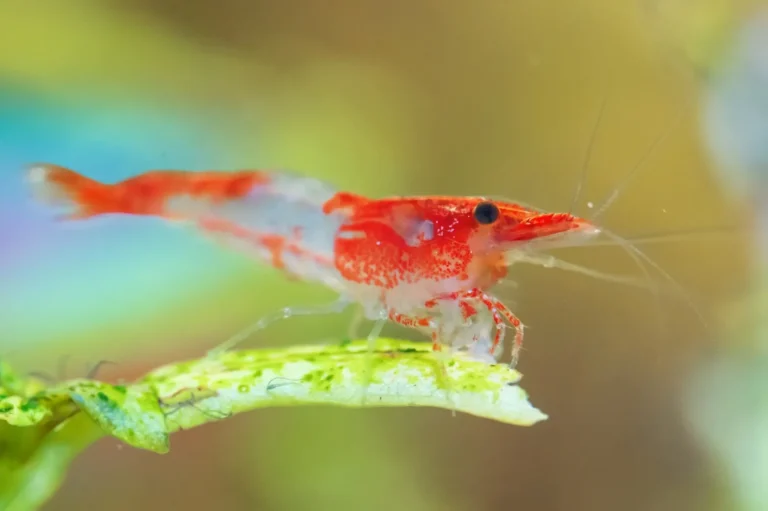
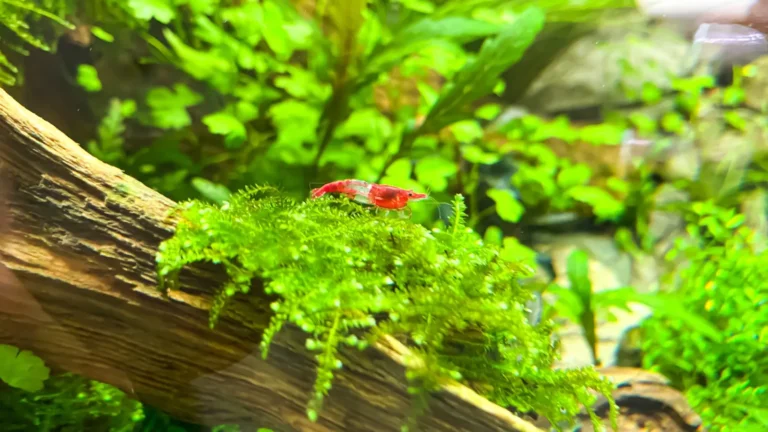
The Red Rili is a popular colour morph of Neocaridina davidi with vivid red head and tail patches separated by a clear or translucent midsection. Its pattern creates strong visual contrast that suits planted aquascapes and small focal displays. Colour intensity depends on genetics and tank conditions, so steady water and good nutrition bring out the best reds. This morph is suitable for hobbyists of varying experience who want striking, low-maintenance shrimp.
The Red Rili is defined by its two-tone pattern of vivid red on the head and tail with a clear or translucent midsection, producing a striking contrast. Opacity and red intensity depend on genetic grading and are sensitive to diet and water stability. Environmental factors such as mineral levels and nutrition can deepen or fade the red, and juveniles typically hatch paler and gain colour with successive moults. Maintaining consistent conditions and selective breeding are key to preserving high-quality specimens.
Quick overview
Common name(s)
Red Rili, Rili Red, Red Rili Shrimp
Color line
Rili
Latin name
Neocaridina davidi
Size
~2–3 cm
Temperament
Peaceful
Tank level
Lower and mid
Minimum tank size
5 gallons (19 L)
Water type
Freshwater
Difficulty
Easy
Ideal aquarium setup
This morph stands out in planted aquascapes thanks to bright red head and tail patches set against a clear midsection, creating small focal points among plants. Substrate colour affects contrast, with dark substrates enriching reds and light substrates softening them; balanced lighting brings out colour without bleaching while too bright light can wash out the translucent areas; include mosses, ferns, driftwood for cover and extra grazing surfaces.
Behavior and temperament
They are active foragers that spend most of their time grazing across plants and hardscape. Visibility is good for adults but the clear midsections and juveniles can be harder to spot. They are social and peaceful, doing best in groups.
Molting, health and color quality
Colour vibrancy is a good indicator of overall health; deep reds usually mean steady water, adequate minerals and a good diet. Juveniles often start paler and develop stronger colour after several moults. Poor moulting, low GH or sudden parameter swings can lead to colour loss and higher mortality, so focus on consistency and appropriate mineral supplementation to support moulting and colour development.
Diet and feeding
These shrimp graze all day on biofilm and algae and should be fed 2–3 times per week. Exceptionally clean tanks may need slightly more feeding to provide sufficient food.
How to improve their color with food
Include spirulina-rich foods for pigment support
Offer chlorella or algae-based flakes to boost natural colour
Use specialised colour foods with carotenoids occasionally
Encourage biofilm by providing leaf litter and biofilm support
Tankmates
Safe tankmates include small peaceful species such as otocinclus, small rasboras and nerite snails, while larger or aggressive fish will prey on juveniles. If breeding and raising young is important, use a shrimp-only tank or heavy planting to protect juveniles and improve survival rates.
Breeding Red Rili Shrimp
They breed easily under stable conditions and a nutritious diet, producing frequent clutches of eggs. Maintaining line quality requires selecting the most intense red adults, removing weakly coloured offspring and, if needed, occasional cautious outcrossing to avoid inbreeding while monitoring for throwbacks.
How to keep the colony strong
Select the deepest red adults for breeding
Maintain stable parameters and steady mineral levels
Provide varied diet including colour foods and biofilm support
Remove weakly coloured juveniles to improve the line over generations
Common problems
Colour loss
Fading reds often come from poor diet, low minerals or stress; improve nutrition with colour foods and stabilise water parameters to restore vibrancy. Regular, gentle water changes and steady mineral levels help maintain colour.
Moulting problems
Irregular or failed moults are usually linked to low GH or rapid parameter swings; keep minerals steady and avoid sudden changes. A balanced diet and stable conditions reduce moulting issues.
Poor breeding
Low numbers of berried females or few juveniles can result from unsuitable chemistry or poor nutrition; boost feeding, provide hiding places and keep conditions stable to improve breeding. Good cover for juveniles increases survival.
Predation risk
Losses often occur when kept with predatory or large fish that will eat juveniles; remove risky tankmates to protect the colony. A separate shrimp-only tank is the safest option for breeding.
Similar color variants (and how they compare)
Cherry Red
Cherry Red is uniformly opaque red across the whole body, offering more even coverage than the patchy Red Rili and producing a bolder single-tone appearance.
Sakura
Sakura shrimp are often deeper and more uniformly red than Rili, with denser opacity and fewer clear sections, favouring whole-body intensity over patterned contrast.
White Rili
White Rili swaps the clear midsection for white opacity, creating a cooler contrast where pale areas highlight the red and give a very different visual impact to the classic Red Rili.
Short summary
Red Rili are a striking Neocaridina davidi morph featuring red head and tail areas with a translucent midsection. They are beginner-friendly given stable water, good food and plenty of grazing surfaces. Care focuses on steady parameters, adequate minerals and shelter to keep colour and promote breeding.
Frequently asked questions (FAQs)
How bright should tank lighting be?
Moderate, balanced lighting brings out the red without bleaching the translucent areas. Provide shaded spots with plants or décor so shrimp can escape intense light.
What water parameters suit them best?
Temperatures around 20-26°C, pH 6.5-8.0 and moderate GH suit them, with stability more important than exact numbers. Keep mineral and conductivity levels steady to support moulting and colour.
Do they breed easily in community tanks?
They will breed readily but juveniles are vulnerable when fish are present. A shrimp-only tank or heavy planting greatly improves juvenile survival.
Will water changes affect their colour?
Large or sudden water changes can stress shrimp and cause temporary colour loss. Use gentle, regular changes to keep conditions stable and colours vibrant.
How can I reduce breeding throwbacks?
Select the deepest red, most opaque parents when breeding and avoid mixing with clear lines. Keep records and remove weakly coloured offspring to strengthen the line over generations.
Are there special minerals they need?
They benefit from moderate GH and steady calcium and magnesium for healthy moults and colour development. Consider a remineraliser if your source water is very soft or pure.
Mette Tulin
Mette Tulin is the creator of Aquascapedia, with more than 15 years of hands-on experience in aquascaping, planted aquariums, and freshwater fish, shrimp, crayfish, and snails. She shares practical insights, curated aquatic life profiles, and inspiration to help others build thriving underwater landscapes.
Aquascapedia uses cookies to ensure the website functions properly and to understand how visitors interact with the content. Analytics cookies are only used with your consent.
Necessary
Always active
Required for the website to function properly. These cookies cannot be disabled.
Preferences
The technical storage or access is necessary for the legitimate purpose of storing preferences that are not requested by the subscriber or user.
Analytics
The technical storage or access that is used exclusively for statistical purposes.Used to understand how visitors interact with the website. No personally identifiable information is used, and analytics cookies are only set with your consent.
Marketing
The technical storage or access is required to create user profiles to send advertising, or to track the user on a website or across several websites for similar marketing purposes.