At a glance
Territorial
Plant-shredder
Nocturnal
Bold
Description
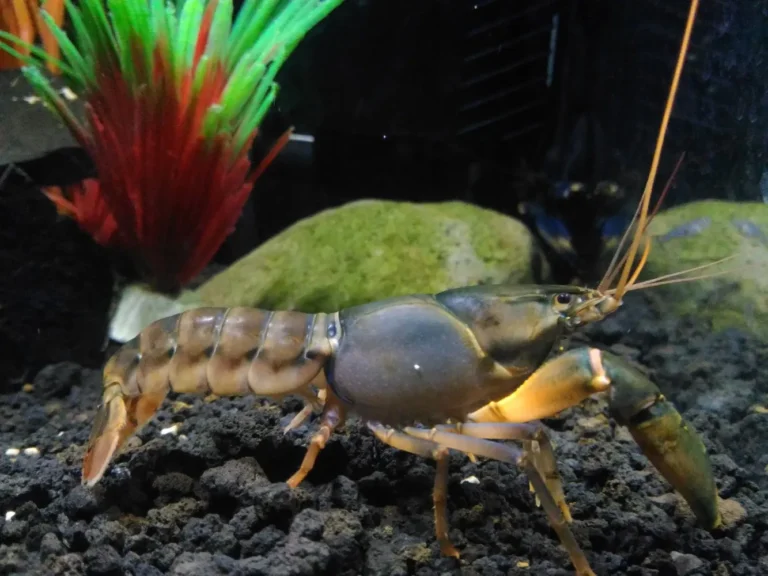
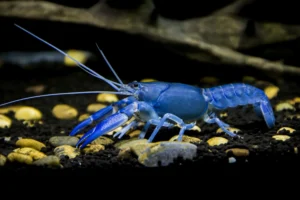
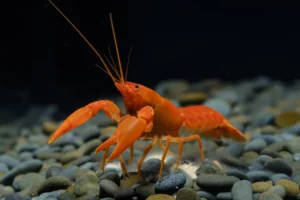
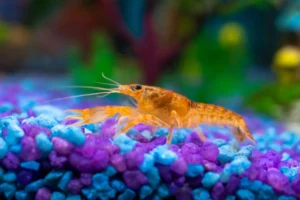
The Papua Snow Crayfish is a striking freshwater crayfish commonly sold as Cherax sp. 'Papua Snow' with pale, snowy tones and contrasting markings. It is bold and territorial, often active at night and likely to investigate or uproot delicate plants. Care is straightforward but benefits from stable water chemistry, plenty of hides, and calcium to support healthy moulting. This species does best in aquascapes that provide robust plants and plentiful hardscape for territories.
Quick overview
Papua Snow Crayfish, Snow Cherax, Papua Cherax
Territorial, opportunistic
40 liters (10 gallons) for one
Ideal aquarium setup
Set up a rocky, leafy environment with hiding spots, driftwood, and stable water parameters to mimic slow-moving streams. Provide multiple caves and break lines of sight to reduce fighting and territorial stress. Keep water stable with regular maintenance and a calcium source to support moulting.
Provide at least 40 liters (10 gallons) for a single juvenile, but adults do best in 80–120 liters (20–30 gallons) with a wide footprint (about 60×30 cm) for roaming. More floor space reduces conflicts and allows for multiple hides.
Moderate to low lighting encourages natural nocturnal activity and reduces plant stress from uprooting. Bright light can increase hiding and may make the crayfish more likely to dig under plants.
Not plant-safe for delicate stems and carpeting plants because they will dig and uproot; use tough, attached plants like Anubias, Java fern, or mosses tied to wood or rock. Floating plants and heavy-rooted species help protect the substrate and reduce disturbance.
Moderate flow to provide oxygenation without strong currents that stress the crayfish.
Fine sand or smooth gravel is best to allow digging while protecting delicate limbs; a calcium-rich substrate helps support healthy moulting.
Use plenty of hides, caves, and rockwork to create territories and line-of-sight breaks, and arrange stable structures so they cannot be toppled. Large pieces of driftwood and stacked rocks reduce open spaces and give each crayfish secure retreats.
Behavior and temperament
Papua Snow Crayfish are territorial and will defend chosen shelters, especially after moulting. They are primarily nocturnal, becoming more active at dusk and during the night when they forage and explore. These crayfish will uproot plants while searching for food and can prey on slow or sleeping tankmates. During and after moulting they are particularly vulnerable and retreat to hides until their new exoskeleton hardens.
Diet and feeding
They are omnivorous scavengers that eat plant matter, detritus, algae, and animal protein and will opportunistically feed on slow or sick tankmates. A varied diet with sinking pellets, vegetables, and occasional meaty treats keeps them healthy while providing calcium for moulting.
What they eat in nature
detritus, algae, plant matter, small invertebrates, carrion
What to feed in the aquarium
- Sinking omnivore pellets or wafers
- Blanched vegetables (zucchini, spinach)
- Frozen meaty foods and calcium supplements
Feeding schedule
Feed a daily portion they can finish within 1–2 hours and offer meaty treats 2–3 times per week as a supplement.
Special dietary needs
Provide regular calcium sources such as cuttlebone or calcium-rich foods to support healthy moulting.
Daily:
Offer a small daily portion of sinking pellets or vegetables to maintain steady grazing and energy.
Weekly:
Supplement the diet 2–3 times per week with frozen meaty foods like bloodworms or shrimp to meet protein needs.
Always:
Always keep a source of calcium available and maintain stable, clean water to prevent moulting complications.
Tankmate compatibility
They will prey on small shrimp, snails, and vulnerable fish and can harass slow bottom dwellers, so choose tankmates carefully or keep them in species-only setups. Best companions are fast midwater swimmers that avoid the substrate and sturdy fish that do not share hiding spaces. Avoid slow or long-finned species that are easy targets at night.
No - Most shrimp will be hunted and eaten by Papua Snow Crayfish, especially juveniles and slow-moving species.
Small snails are often eaten while larger thick-shelled snails may survive but remain at risk during night activity or when food is scarce.
Suitable examples include fast midwater swimmers such as danios and rasboras because they spend little time on the bottom and are quick enough to avoid night predation. Avoid slow bottom-dwelling peaceful fish that share the substrate.
Large, territorial cichlids or gouramis can stress or injure crayfish and may also be injured by the crayfish, so mixing is not recommended. Aggressive bottom-dwellers will compete for hides and escalate conflicts.
Same-species adults are often aggressive and require ample space, many hides, or separation to prevent fighting; single specimens or carefully managed groups in large tanks work best. Juveniles can be kept together temporarily but should be provided extra shelter and monitored closely.
Breeding
Breeding is possible in captivity but can be challenging because adults are territorial and babies need protection. Females carry eggs under the tail until they hatch, and juveniles benefit from abundant biofilm and tiny hiding spots. Provide stable water quality and many small caves to improve survival rates.
Difficulty
Moderate - breeding requires good water stability, plenty of hiding places, and protection for juveniles since adults will show territorial aggression. Timing relates to moulting and seasonal cues, and careful separation increases success.
How they breed
Females carry eggs under the tail until hatching.
Best setup for breeding
Provide multiple small caves and dense cover, stable water parameters, and separate a berried female or newborns into a rearing tank to reduce predation. Maintain excellent water quality and plenty of micro-habitats for juvenile shelter.
Feeding the babies
Young feed on biofilm and microfauna; offer powdered foods, infusoria, and finely crushed pellets or flakes. Gradually introduce slightly larger crushed foods as they grow while ensuring safe hiding places.
Pro tips
Provide cuttlebone or crushed coral for an easy calcium boost to prevent moulting issues.
Create many small hides and line-of-sight breaks to reduce fights and provide moulting refuges.
Use attached plants and heavy-rooted species to protect substrate and reduce uprooting.
Moulting problems
Moulting issues are often caused by low calcium or unstable water chemistry; increase available calcium and stabilize parameters with regular testing and water changes.
Escapes
Crayfish will explore and escape if there are gaps in the hood or equipment; keep lids secure and provide a secure waterline to prevent wandering.
Plant damage
They commonly uproot delicate plants while foraging or digging; use tough attached plants and protect substrate with heavy-rooted species or rockwork.
Typical beginner mistakes
- Insufficient hides leading to constant fighting
- Low calcium and unstable water causing moulting failures
- Mismatched tankmates that become prey or stress the crayfish
Short summary
The Papua Snow Crayfish is a bold, territorial Cherax with a pale, striking appearance that will dig and uproot delicate plants. It is hardy and moderately easy to keep with stable water, plenty of hides, and calcium support, but it is best kept with cautious tankmate selection or in species-only setups. Provide robust plants and ample floor space to reduce conflicts and keep them healthy.
Frequently asked questions (FAQs)
Are Papua Snow Crayfish good for planted tanks?
Not ideal for delicate planted tanks because they dig and can uproot carpeting and stem plants; use robust attached plants instead.
Can they live with freshwater shrimp?
They will usually prey on shrimp, so shrimp should not be kept with Papua Snow Crayfish unless the tank is exceptionally large with many refuges.
Young crayfish moult frequently as they grow, while adults moult less often; proper calcium and stable water help each moult proceed successfully.
What water parameters do they prefer?
They prefer pH around 6.5–8.0, moderate hardness of about 6–12 dGH, and stable temperatures in the 22–26°C (72–79°F) range.
Small snails are likely to be eaten, while larger thick-shelled snails may survive but remain at risk during night foraging.
Is breeding difficult in home aquariums?
Breeding is possible but requires stable water, many hides for juveniles, and often separation of the female or young to prevent predation by adults.