At a glance
Peaceful
Schooling
Shy
Vibrant accent
Description
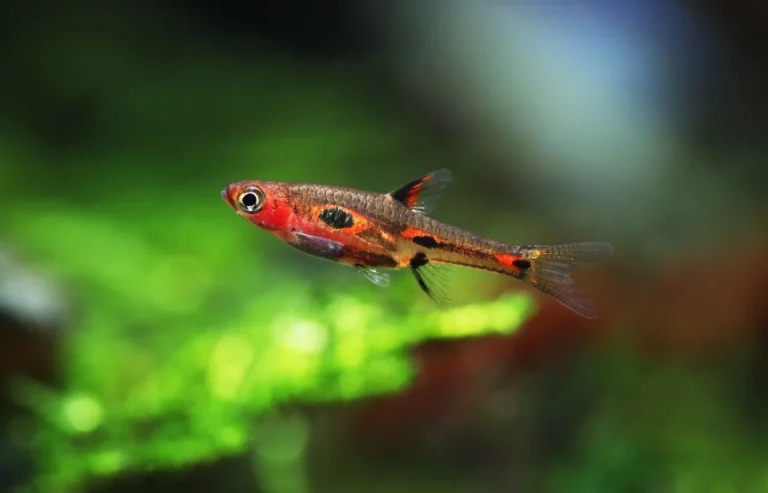
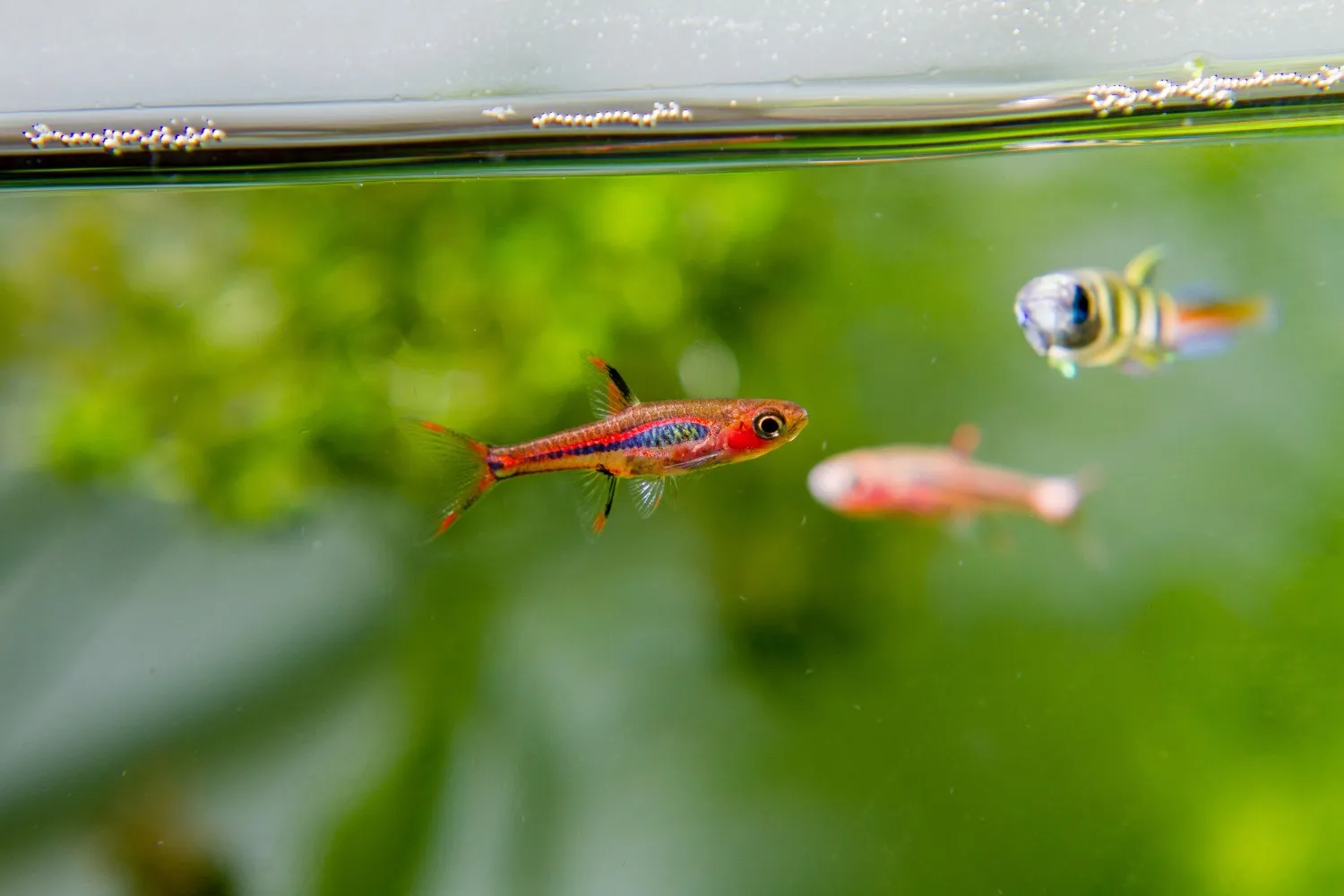
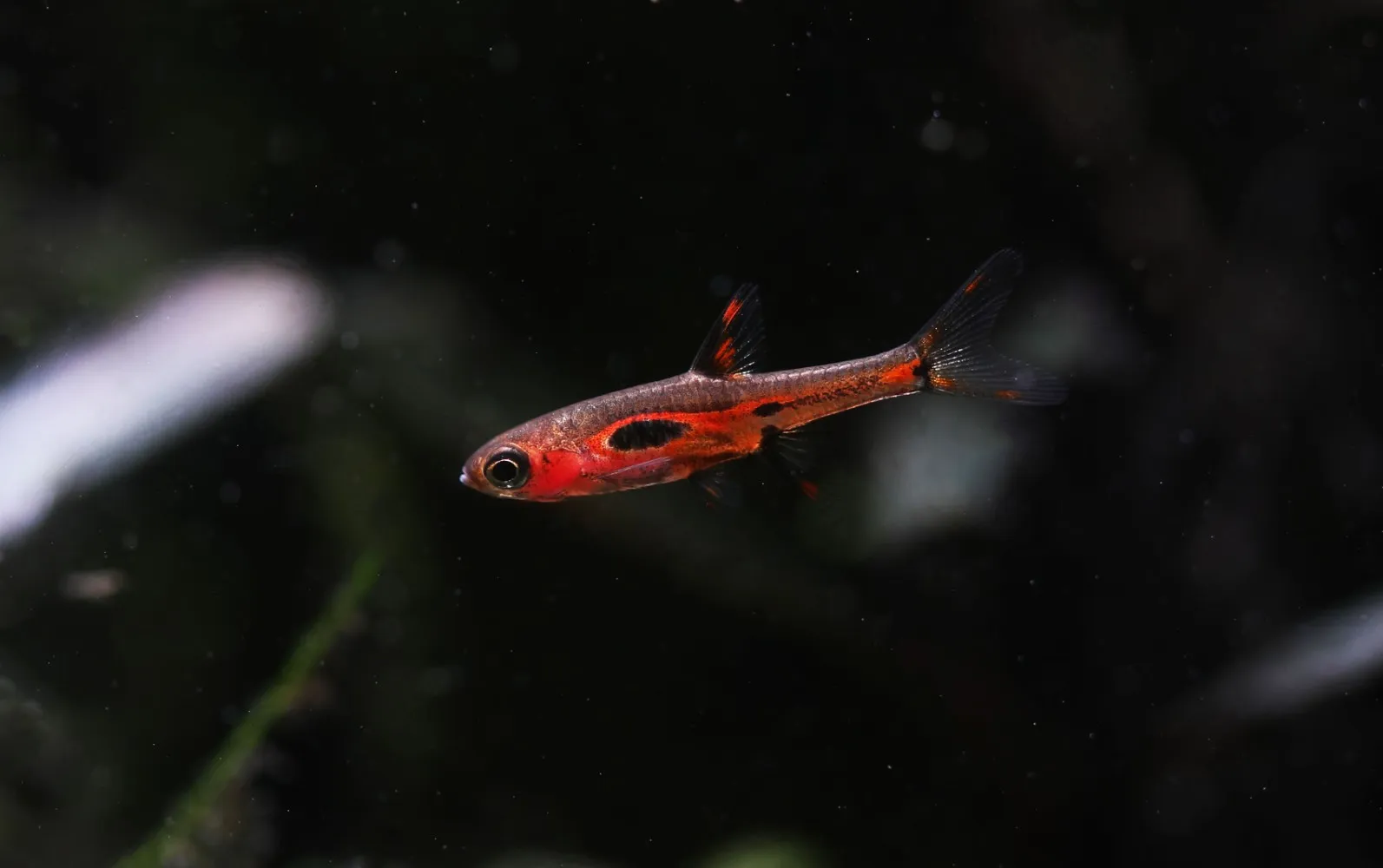
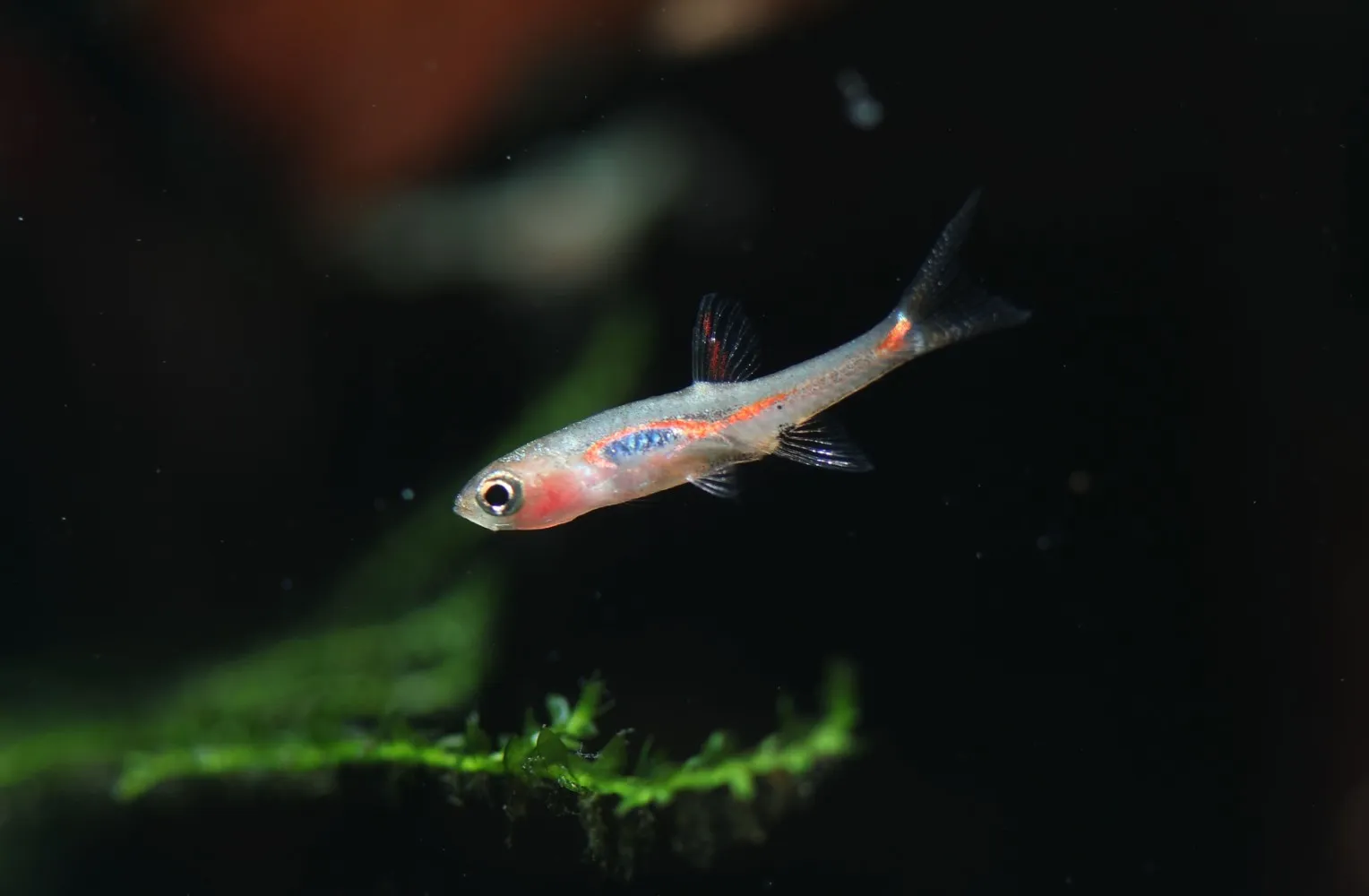
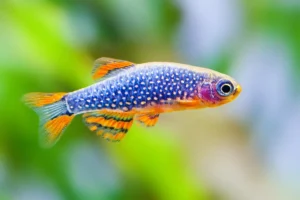
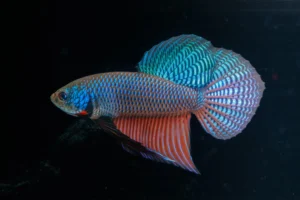
The Phoenix Rasbora (Rasbora sp. 'Phoenix') is a small, colorful schooling fish prized in planted aquascapes for its bright markings and active midwater behavior. Males often show more vivid hues while females are slightly rounder-bodied, and they reach only a few centimetres as adults. These rasboras thrive in soft slightly acidic water, calm flow, and heavily planted tanks with open swimming lanes. They are generally hardy for hobbyists who keep stable water and maintain a proper group size.

Quick overview
Phoenix rasbora, or phoenix
Peaceful, social, schooling
40 liters (10 gallons) for a group
Ideal aquarium setup
Phoenix rasboras do best in a densely planted tank with open midwater swimming lanes that mimics shaded slow streams. Soft, slightly acidic water with stable parameters and subdued lighting helps them feel secure and display color. A well-established planted scape with floating plants, mosses and gentle filtration creates the calm environment they prefer.
A 40–60 liter tank for a small group of 6–10 fish is a practical minimum; larger tanks improve water stability and schooling behavior. Aim for groups of eight or more when space allows to reduce stress and encourage natural schooling.
Low to moderate lighting is ideal so plants thrive without stressing the fish; they often hide under floating cover in bright tanks. Dimmer conditions help bring out richer colors and calmer behavior.
Fine-leaved plants, mosses, and floating species suit them well since these provide spawning sites, cover and break up light. Crypts, Java fern, moss carpets and floating Salvinia or frogbit work particularly well.
Low to gentle flow to mimic slow streams and keep them comfortable while preventing debris buildup.
Dark fine sand or smooth gravel suits their small size and contrasts nicely with their coloration while resembling natural riverbeds.
Use driftwood, smooth stones and leaf litter to create shaded areas and natural hiding spots while leaving open midwater space for schooling. A scattered hardscape with dense planted sections and clear swim lanes recreates their preferred habitat.

Behavior and temperament
Phoenix rasboras are social, active midwater swimmers that feel safest in groups and display most naturally in schools. They are timid around large or aggressive tankmates and may hide until comfortable. Sudden changes in water or bright, open tanks increase stress and can suppress normal activity. With a proper group and planted cover they become confident and show off their colors.
Diet and feeding
They are omnivorous micro-feeders with small mouths and a steady appetite for tiny foods, so offer suitably sized flakes, micro pellets and frozen or live microfoods. Variety is important for color and health, and they respond well to regular small feedings rather than large portions.
What they eat in nature
Microinvertebrates, insect larvae, zooplankton, and biofilm.
What to feed in the aquarium
- High-quality micro pellets or crushed flakes
- Frozen foods such as daphnia and bloodworms
- Live microfoods like microworms and baby brine shrimp
Feeding schedule
Feed small portions once or twice daily, only what they can consume in two to three minutes.
Special dietary needs
No strict needs, but regular small live or frozen foods improve coloration and condition.
Daily:
Offer a small portion of flakes or micro pellets once or twice daily, ensuring food is sized for their tiny mouths.
Weekly:
Include one to two protein-rich feedings per week of frozen or live foods such as daphnia, bloodworms, or baby brine shrimp.
Always:
Always provide a varied diet and avoid overfeeding to keep water quality high and fish healthy.
Tankmate compatibility
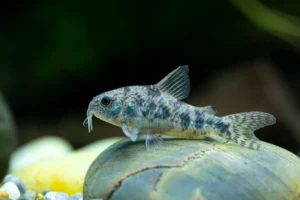
They pair best with small, peaceful community species that won’t outcompete or harass them, and they should not be mixed with large or aggressive fish. Choose tankmates that occupy different zones like bottom-dwelling Corydoras or algae-eating Otocinclus for a balanced community. Avoid fast fin-nippers and large predators that see them as food.
Yes with caution: Adult shrimp are usually tolerated, but Phoenix rasboras may prey on baby shrimp so breeding shrimp may need hiding places.
Most small and medium snails are compatible and can help with algae control while being largely ignored by these rasboras.
Small tetras, other miniature rasboras, corydoras catfish and Otocinclus make good companions because they are similarly peaceful and occupy different microhabitats.
Larger barbs, cichlids and aggressive fin-nippers can harass or injure Phoenix rasboras and will often stress or eat them, so avoid these species.
Keep them in groups of at least 6–10 to encourage schooling and reduce stress; groups of 12 or more are ideal for the best display and natural behavior.
Breeding
Phoenix rasboras are egg scatterers that will spawn over fine-leaved plants or moss in soft slightly acidic water. They may deposit eggs on moss or spawning mops and do not guard their eggs, so parents are usually removed after spawning. With proper water and plenty of cover, hobbyists can successfully raise fry.
Difficulty
Moderate: spawning is straightforward when water is soft and slightly acidic and when a dense spawning medium is provided, but fry care requires small foods and stable water. Success improves with experience in maintaining pristine water and providing appropriate first foods.
How they breed
Egg scatterer that deposits adhesive eggs on fine-leaved plants, moss or spawning mops.
Best setup for breeding
Use a small breeding tank with dense Java moss or a spawning mop, soft acidic water (pH 5.5–6.5), low light and a gentle sponge filter. Keep a conditioned pair or a small group and remove adults after eggs are laid to prevent predation.
Feeding the babies
Begin with infusoria or liquid fry food for the first few days, then move to newly hatched brine shrimp and finely crushed micro foods as they grow. Gradually introduce powdered micro pellets and finely crushed flakes as fry become large enough.
Pro tips
Maintain a thicker school to reduce shyness and spread any aggression among many fish.
Provide floating plants to create shaded areas and reduce stress from bright lights.
Routinely offer live or frozen microfoods to boost coloration and condition.
Fin nipping
Aggressive or larger tankmates can nip fins and stress these small rasboras; separate bullies and ensure they are kept in an adequately sized group to reduce targeting.
Stress and jumping
They are prone to stress from bright light, poor water or sudden changes and may jump; use a secure lid, stable water parameters and provide hiding spots to calm them.
Poor coloration
Dull color is usually due to inadequate diet or stress from wrong water chemistry; improve food variety, water quality and add shaded planted areas to restore vibrancy.
Typical beginner mistakes
- Keeping too few individuals which prevents normal schooling behavior
- Using very bright open tanks without floating cover or plants
- Overfeeding and neglecting regular water changes leading to poor water quality
Short summary
Phoenix Rasboras are small, peaceful schooling fish ideal for planted aquascapes that offer subdued lighting and soft slightly acidic water. They are approachable for hobbyists who maintain stable water, keep proper group sizes and provide varied micro-sized foods.
Frequently asked questions (FAQs)
How many Phoenix Rasboras should I keep together?
Keep at least 6–10 individuals, with larger groups of 12+ preferred for best schooling and reduced stress.
What water parameters do they prefer?
They prefer soft, slightly acidic water around pH 5.5–7.0 and low to moderate hardness, with stable temperatures and gentle flow.
Are they good for planted aquariums?
Yes, they thrive in planted tanks with floating cover and fine-leaved plants that provide hiding spots and spawning sites.
Will they eat shrimp or snails?
They may eat baby shrimp but usually ignore adult shrimp and most snails, so shrimp compatibility is possible with caution.
What do I feed Phoenix Rasboras?
Feed a mix of micro pellets or crushed flakes plus regular live or frozen microfoods like daphnia and baby brine shrimp for best health and color.
Is breeding them difficult for beginners?
Breeding is achievable with soft acidic water and spawning moss or mop, but raising fry requires small live foods and good water quality, so moderate experience helps.