At a glance
Territorial
Plant-shredder
Escape-prone
Nocturnal
Description
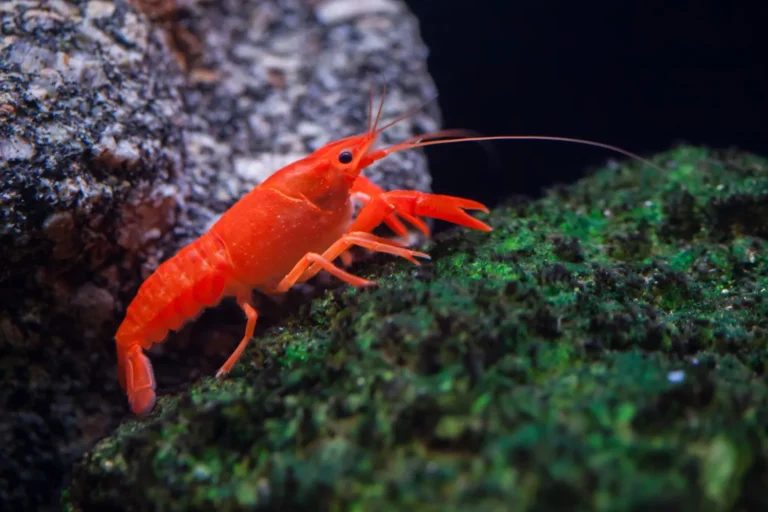
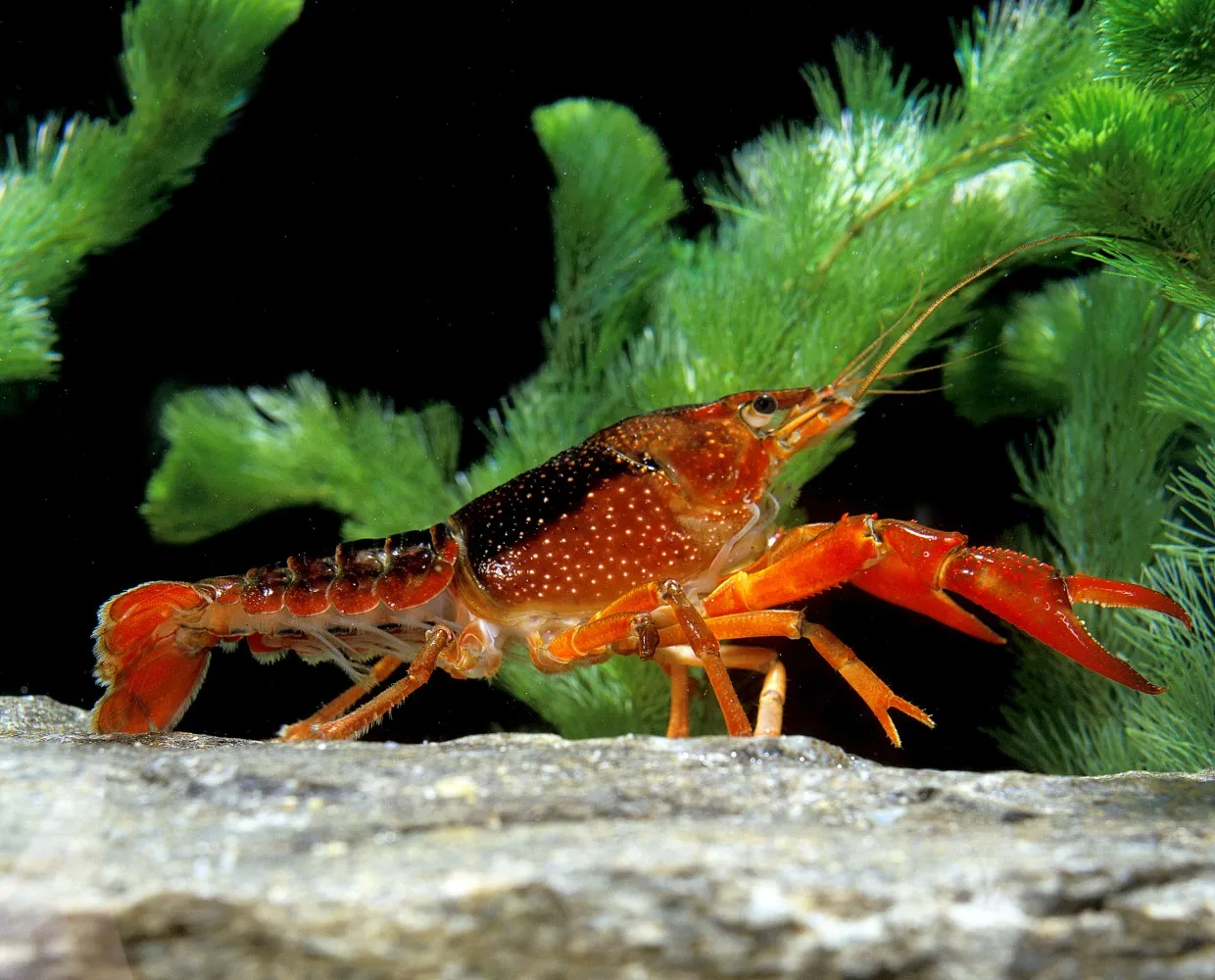
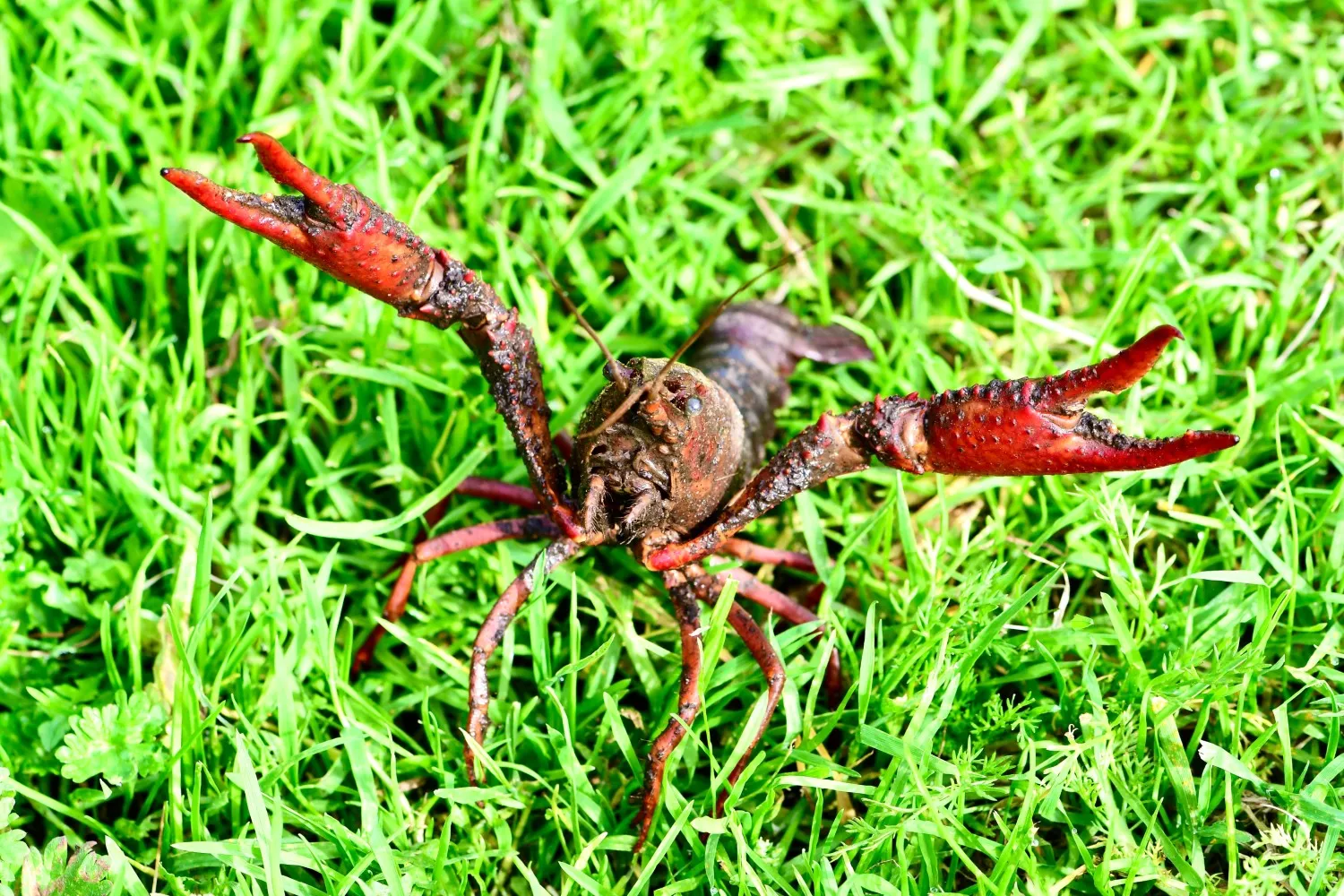
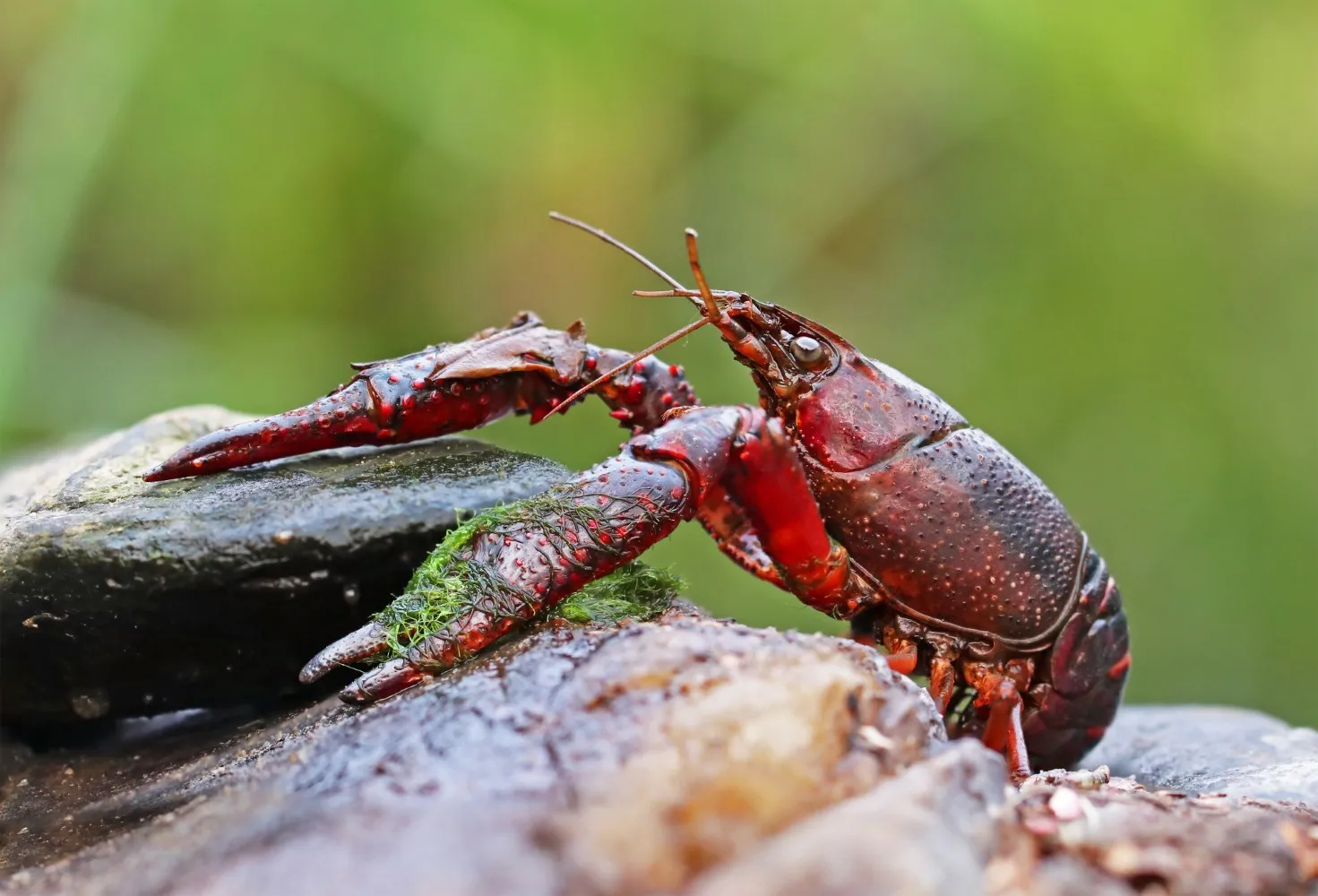
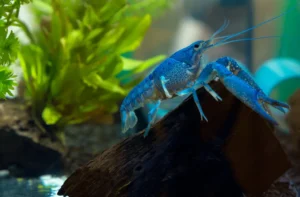
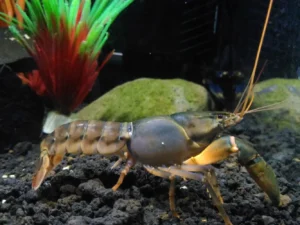
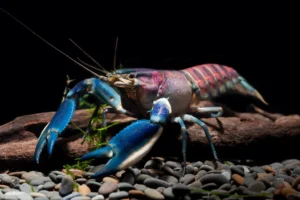
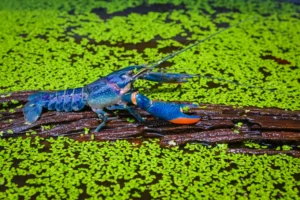
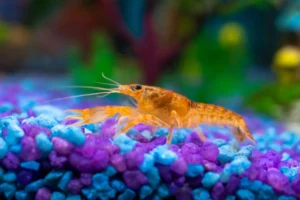
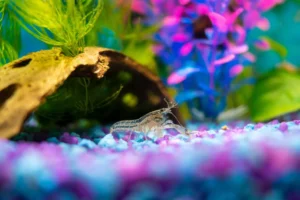
The Red Swamp Crayfish (Procambarus clarkii) is a robust, brightly colored species known for large claws and active digging. It frequently uproots or eats aquarium plants and is therefore not plant-safe in most setups. Mostly nocturnal and very territorial, it needs secure hides and stable water chemistry to moult safely. Care is generally straightforward for intermediate aquarists, with attention to calcium and hiding places.

Quick overview
Red Swamp Crayfish, Louisiana crayfish, Red crayfish
Territorial, opportunistic
40 liters (10 gallons) for one
Ideal aquarium setup
A tank with a sandy or fine gravel substrate, plenty of hides, and a secure lid mimics their preferred habitat and prevents escapes. Provide stable water parameters and calcium sources to support healthy moulting, and remember they will disturb or eat most plants. Line-of-sight breaks and multiple caves reduce aggression.
Recommend at least 40–80 liters (10–20 gallons) for one, with a long footprint so the crayfish has ample floor space to patrol; larger tanks reduce conflict. Multiple adults need much more space and many hiding spots.
Low to moderate lighting suits their mostly nocturnal activity and helps reduce plant stress from digging; brighter lights encourage them to hide. Timed, subdued lighting helps establish clear day/night cycles.
Not plant-safe; this species will dig, uproot, and consume soft plants so choose tough, well-rooted species or keep plants in pots or protected areas. Expect significant plant damage in heavily planted aquascapes.
Moderate, to keep water oxygenated without strong currents that stress crayfish.
Sand or fine gravel is preferred to allow natural digging and to reduce the risk of injured limbs during burrowing.
Provide multiple hides such as stacked rocks, terracotta pots, PVC pipes, and root tangles to break line of sight and create territories. Secure hardscape well to prevent collapses during digging and moulting.

Behavior and temperament
Red Swamp Crayfish are bold, territorial, and mostly active at night; they will patrol and defend a home area aggressively. They are prolific diggers and will chew through or uproot many plants. During moulting they are vulnerable and will hide; disturbances, poor water quality, or low calcium can cause failed moults. They may hunt slow or small tankmates and scavenge aggressively.
Diet and feeding
Omnivorous scavengers, they will eat algae, plant matter, and protein sources and will opportunistically consume slow or sick tankmates. Offer a varied diet to keep them healthy and provide calcium-rich foods to aid moulting.
What they eat in nature
detritus, algae, plant matter, small invertebrates, carrion
What to feed in the aquarium
- Sinking pellets or wafers
- Blanched vegetables like zucchini or spinach
- Frozen meaty foods and crushed calcium supplements
Feeding schedule
Feed once daily or every other day, offering only what they consume within 2–3 hours to avoid water quality issues.
Special dietary needs
Provide regular calcium sources such as cuttlebone, crushed oyster shell, or calcium-rich foods to support healthy moulting.
Daily:
Offer a small portion of pellets or vegetables each day and remove uneaten food after a few hours to maintain water quality.
Weekly:
Include one to two protein-rich meals per week, such as frozen shrimp or bloodworms, to support growth and reproduction.
Always:
Always keep a calcium source in the tank, like a small piece of cuttlebone or crushed coral in the filter or substrate.
Tankmate compatibility
They will prey on or harass slow, bottom-dwelling, or small tankmates and can be aggressive toward similarly sized species. Best results come from species-only tanks or with fast midwater swimmers that are too quick to be caught and large, robust fish that ignore the substrate. Avoid housing with shrimp, small fish, or delicate bottom dwellers.
No No, most shrimp will be hunted and eaten by Red Swamp Crayfish, especially juveniles and slow-moving species.
Small and soft-shelled snails are often eaten, larger hard-shelled snails may survive but are frequently harassed or preyed upon.
Fast, midwater schooling fish like danios or certain barbs can work because they spend little time on the substrate and are quick enough to avoid the crayfish; choose hardy, swift species. Avoid slow bottom dwellers and small ornamental fish that can be caught at night.
Large or territorial cichlids can stress or injure crayfish and may also be injured by a defending crayfish, so pairings are risky. Bottom-dwelling catfish and slow gouramis are vulnerable to being grabbed or stressed.
Highly territorial toward conspecifics; many aquarists keep a single individual unless the tank is very large with abundant hides. If housing multiple, provide extensive floor space, multiple equal-level shelters, and accept that some aggression is likely.
Breeding
Red Swamp Crayfish breed readily in aquaria when water quality is stable and temperatures are suitable; females carry eggs under the tail until they hatch. Juveniles disperse and will compete with adults unless plenty of cover is available.
Difficulty
Relatively easy because they breed well in captivity, but managing aggressive adults and protecting juveniles requires effort and space.
How they breed
Females carry eggs under the tail until they hatch and then tend the young for a short period.
Best setup for breeding
Provide many small hides and dense cover for juveniles to escape adults, maintain excellent water quality and steady calcium levels, and consider separating adults after mating to protect the young. Frequent water changes and stable parameters improve survival.
Feeding the babies
Young feed on biofilm and detritus initially and can be given powdered foods and finely crushed pellets as they grow. Offer micro foods and ensure tiny hiding places to avoid predation by adults.
Pro tips
Keep a secure, tight-fitting lid to prevent escapes since they are excellent climbers.
Provide several hides of different sizes to reduce fights and give moulting individuals safe refuge.
Regularly supplement calcium with cuttlebone or crushed shell to prevent moulting problems.
Moulting problems
Poor water quality, low calcium, or lack of hides causes failed moults; improve water parameters, add calcium sources, and provide secure shelters.
Plant damage
They dig and eat soft plants, so expect uprooting and chewed leaves; use potted plants, strong-rooted species, or protect greenery with rockwork.
Escapes
Crayfish can climb and squeeze through gaps; install a tight lid and check piping and overflow outlets to prevent escapes.
Typical beginner mistakes
- Overcrowding and too few hides
- Poor water quality and low calcium
- Incompatible tankmates like shrimp
Short summary
The Red Swamp Crayfish is a hardy, bold, and territorial species that is not plant-safe and will dig and scavenge aggressively. It is easy to keep for hobbyists who provide secure hides, stable water, and calcium for moulting, but it is unsuitable for community planted tanks.
Frequently asked questions (FAQs)
Can Red Swamp Crayfish live with fish?
They can live with fast midwater fish that avoid the substrate, but slow or bottom-dwelling fish, shrimp, and small species are at high risk of predation.
Are they good for planted aquariums?
No, they typically uproot and eat plants, so planted aquascapes are usually incompatible unless plants are protected or very tough.
Young crayfish moult frequently as they grow, while adults moult less often; frequency depends on diet, water quality, and temperature.
Do they need special water chemistry?
Stable freshwater parameters with moderate hardness and a reliable calcium source are important to support healthy moulting and shell strength.
Will they escape from my tank?
Yes, they are escape-prone climbers, so a secure lid and blocked access to filter intakes and overflows are essential.
Are they invasive if released?
Yes, Procambarus clarkii is highly invasive in many regions and should never be released into the wild; keep them contained and never dump them outdoors.