
Table of contents
At a glance
Peaceful
Algae grazer
Hardy
Plant safe
Description
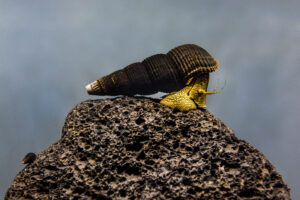
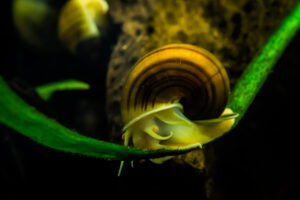
Zebra Nerite (Vittina natalensis) is a small, attractively striped snail with a robust, rounded shell and bold black-and-white banding that stands out in planted aquariums. It is an active grazer that spends most of its time on glass, rocks, and driftwood cleaning algae and biofilm. Zebra nerites are peaceful, non-destructive to healthy plants, and stay relatively small, making them ideal for aquascapes. Their calm behavior and efficient algae control make them a popular choice for beginner to intermediate planted tanks.

Quick overview
Zebra Nerite, Zebra nerite snail, Nerite snail
Vittina natalensis
Neritidae
1.5–3 cm (0.6–1.2 inches)
1–3 years
Peaceful, algae-grazing
20 liters (5 gallons) minimum
Freshwater, pH: 6.5–8.0
6–12 dGH
Easy
Ideal aquarium setup
A planted tank with plenty of hard surfaces — rocks, driftwood, and décor — mimics a nerite’s natural grazing habitat; provide stable water parameters and avoid frequent swings. Keep temperature steady around 22–26°C and moderate hardness for healthy shell growth, and supply calcium sources because they need minerals to maintain their shells. They are plant-safe and excellent in low-tech or high-tech aquascapes where algae management is desired.
A 20–40 liter (5–10 gallon) tank is sufficient for a small group, but larger tanks are better for multiple individuals and to keep water parameters stable. Nerites prefer stable conditions over frequent changes, so larger volume helps maintain consistent chemistry.
Fine gravel or sand works well since zebra nerites do not burrow and will mostly explore surfaces above the substrate.
Zebra nerites are generally plant-safe and do not eat healthy leaves, though they may rasp soft decaying tissue; they are safe with most common aquarium plants. They will appreciate tanks with leaf litter and surfaces that grow biofilm.
Provide plenty of smooth rocks, driftwood, and caves for grazing and hiding, and avoid sharp-edged décor that can chip shells. Hard surfaces also serve as ideal sites for algae and egg attachment.
Moderate flow is best so surfaces stay oxygenated and biofilm is available without washing away the snail's food.
Moderate lighting encourages some algae growth to feed these snails, while very high light can lead to nuisance algae blooms; balance light with plant demands. Avoid extreme CO2 or light swings that stress algae grazers and plants.

Behavior and temperament
Zebra nerites are active during the day and night, steadily moving over surfaces to graze algae and biofilm. They are peaceful and ignore fish and plants, making them ideal tank cleaners rather than aggressive tankmates. When water conditions deteriorate they may become sluggish or clamp to surfaces and their shells can show pitting. They rarely disturb plants or substrate unless food is scarce.
Diet and feeding
Primarily algae and biofilm grazers, zebra nerites will happily feed on surface algae but benefit from occasional supplemental foods and vegetables. Offer blanched vegetables and algae wafers if natural algae is insufficient, and ensure a steady calcium source to prevent shell erosion.
What they eat in nature
Algae, biofilm, detritus, decaying plant matter, microorganisms
What to feed in the aquarium
- Algae and biofilm
- Blanched zucchini and spinach
- Algae wafers or sinking pellets
- Cuttlebone or crushed coral for calcium
Feeding schedule
Allow them to graze continuously and supplement with vegetables or wafers 2–3 times per week if algae is limited.
Special dietary needs
Provide calcium-rich supplements such as cuttlebone or crushed coral to support healthy shell development and repair.
Daily:
Daily observation is recommended to ensure they are active and grazing; feed only if you notice little natural algae. Remove uneaten soft food within a day to avoid water quality issues.
Weekly:
Offer blanched vegetables or a small piece of cuttlebone once or twice weekly as a supplement and check shell condition weekly. Perform regular water changes to keep parameters stable.
Always:
Always provide a source of calcium in the tank and maintain stable pH and hardness to support shell health. Always avoid copper-containing medications and fertilizers that can harm snails.
Tankmate compatibility
Zebra nerites are compatible with most peaceful community fish and invertebrates and perform best with tankmates that do not prey on them. Large or aggressive fish that pick at shells will injure or kill nerites, so avoid predators. They help control algae without bothering plants or other bottom dwellers.
Shrimp
Yes with caution - Zebra nerites generally coexist peacefully with shrimp but be mindful of shrimplets; nerites do not prey on adult shrimp and both benefit from similar water parameters.
Snails
They are compatible with other peaceful snail species though competition for algae can occur if food is scarce, and most nerites will not overpopulate in freshwater. Keep an eye on available grazing surface area.
Peaceful fish
Small tetras, rasboras, guppies, and peaceful dwarf cichlids make good companions because they will not harass or eat nerites. Choose fish that do not target slow-moving invertebrates and maintain good water quality to suit all inhabitants.
Semi-aggressive fish
Avoid loaches, pufferfish, larger cichlids, and some barbs that may nip or crush shells; these species often see nerites as food. Even curious medium-sized fish can stress or injure snails, so use caution when pairing.
Same species
Zebra nerites are social and do well in small groups without overcrowding, but they do not reproduce successfully in freshwater so populations remain stable. Provide ample hard surfaces for grazing to support multiple individuals.

Breeding
Zebra nerites will lay small clusters of eggs on hard surfaces in the aquarium but cannot breed in freshwater because their larvae require brackish or marine conditions to develop; eggs in a freshwater tank will not produce juvenile snails. This means populations do not explode in home freshwater aquariums, though you may still find unattached egg capsules on rocks or glass. If eggs are a nuisance they can be removed manually before hatching.
Pro tips
Add a piece of cuttlebone to the tank to provide a continuous calcium source for shell health.
Keep stable water parameters and avoid copper-based treatments that are toxic to snails.
Introduce them to a tank with established algae growth so they have immediate food and settle quickly.
Shell erosion
Shell pitting is usually caused by low calcium, acidic water, or poor water quality; raise hardness and add calcium sources to help repair shells.
Calcium deficiency
Thin or brittle shells indicate insufficient minerals; provide cuttlebone, crushed coral, or mineral supplements and maintain moderate GH for prevention.
Predation
Injury or missing snails are often due to snacking fish or loaches; move nerites to a safer tank or remove aggressive tankmates to protect them.
Typical beginner mistakes
- Keeping with shell-crushing fish
- Low calcium and soft water
- Using copper medications
Short summary
Zebra nerites are peaceful, hardy algae grazers that excel in planted aquascapes and rarely harm healthy plants. They provide reliable algae control, need stable water and calcium supplementation for shell health, and are easy to care for in community tanks. Because they cannot complete their life cycle in freshwater, they do not overpopulate, making them ideal for aquascapers.
Frequently asked questions (FAQs)
Will zebra nerites eat my plants?
Will zebra nerites eat my plants?
No, they generally do not eat healthy plant tissue and focus on algae and biofilm, though they may nibble decaying leaves.
Can zebra nerites breed in my freshwater tank?
Can zebra nerites breed in my freshwater tank?
No, while adults may lay eggs in freshwater, the larvae need brackish conditions so eggs in a freshwater tank will not hatch.
How many nerites can I keep together?
How many nerites can I keep together?
You can keep several in a small tank if there are enough surfaces for grazing; allow about 20 liters (5 gallons) per snail for comfortable stocking and food availability.
Why is my nerite's shell pitting?
Why is my nerite's shell pitting?
Shell pitting is usually caused by low calcium, low hardness, or poor water quality; increase calcium and stabilize GH to prevent further damage.
Do zebra nerites need special water parameters?
Do zebra nerites need special water parameters?
They prefer stable freshwater with pH 6.5–8.0, moderate hardness (6–12 dGH), and temperatures around 22–26°C; avoid rapid swings and copper exposure.
What should I feed if there is no algae?
What should I feed if there is no algae?
Offer blanched vegetables and occasional algae wafers, and provide cuttlebone for calcium; feed sparingly to avoid fouling the tank.

Mette Tulin
Mette Tulin is the creator of Aquascapedia, with more than 15 years of hands-on experience in aquascaping, planted aquariums, and freshwater fish, shrimp, crayfish, and snails. She shares practical insights, curated aquatic life profiles, and inspiration to help others build thriving underwater landscapes.