At a glance
Territorial
Plant-safe
Nocturnal
Small
Description
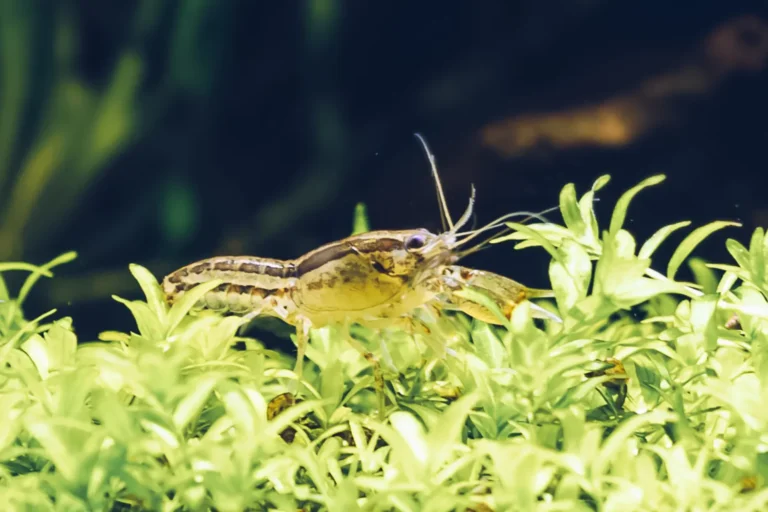
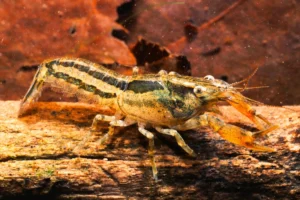
The Brazos Dwarf Crayfish (Cambarellus texanus) is a compact, attractive dwarf crayfish from Texas that stays small and curious. It shows mild territorial displays but rarely causes major plant loss compared with larger crayfish. It may dig or nibble soft stems, so plant placement and sturdy planting help. Care is straightforward with stable water, plenty of hides, and calcium for healthy moulting.

Quick overview
Brazos dwarf crayfish, Texan dwarf crayfish, Brazos crayfish
Territorial, opportunistic
40 liters (10 gallons) for one
Ideal aquarium setup
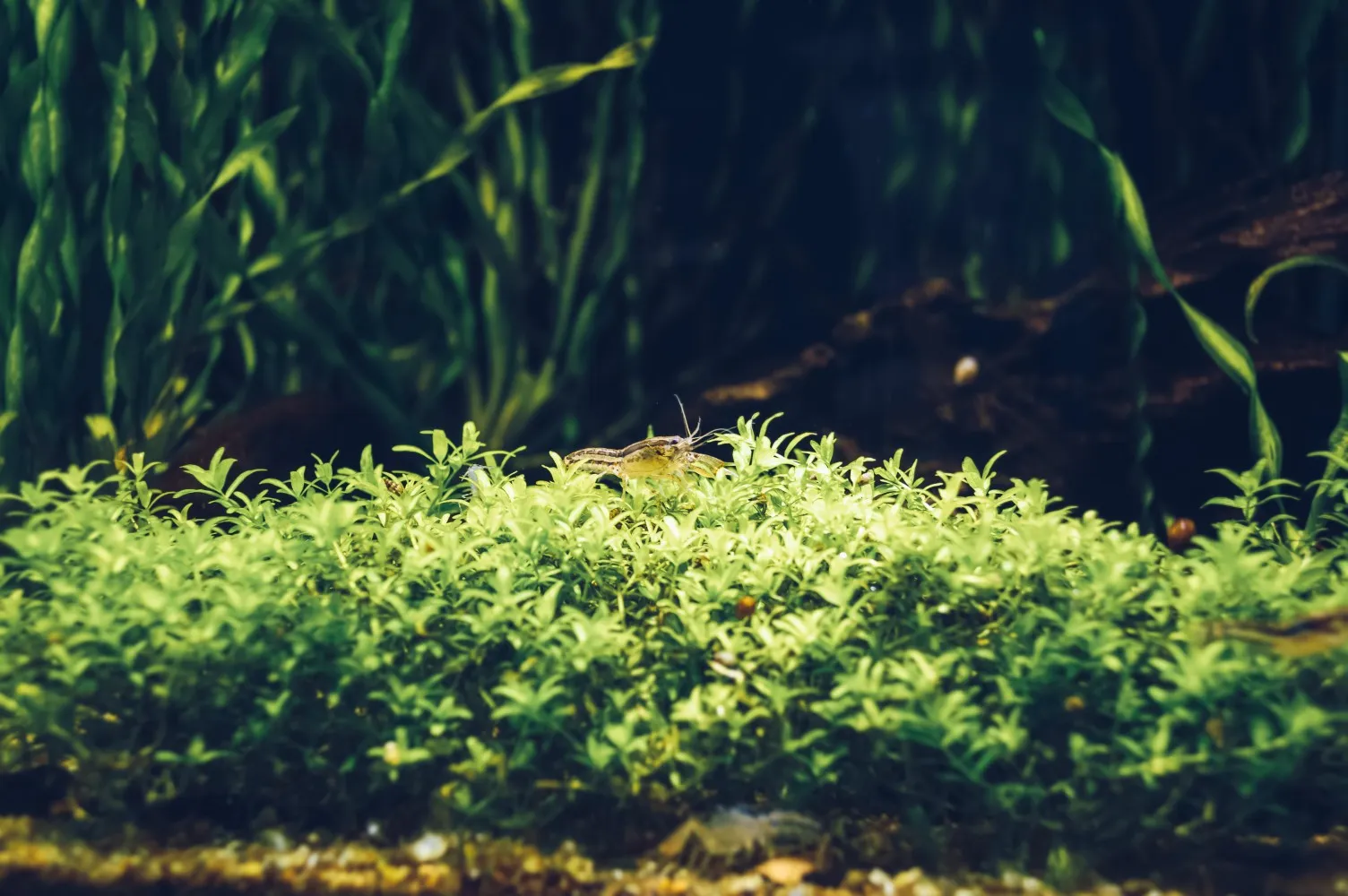
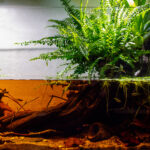
A planted tank with open floor space and plenty of rockwork or rootwork mimics the Brazos dwarf’s natural habitat and gives it places to shelter and forage. Provide multiple hides and stable water parameters; regular calcium supplementation helps moulting. Keep plants anchored and use robust species or pots to reduce uprooting.
Recommend at least 40–80 liters (10–20 gallons) for a single crayfish with a footprint that provides open floor space for foraging and room for multiple hides to reduce conflict.
Moderate lighting is fine; these crayfish are more active at dusk and night so bright daytime light just encourages hiding and plant growth while not disturbing their behavior. Dimmed or shaded areas help them feel secure.
Generally plant-safe compared with larger species but will dig and may nibble delicate stems; use anchored or potted plants and tougher species like Anubias, Java fern, and crypts. Floating plants provide cover and reduce stress.
Low to moderate flow to keep detritus moving while not stressing the crayfish or dislodging hides.
Fine sand or smooth gravel suits digging behavior and prevents damage to delicate appendages during burrowing.
Provide caves, clay pots, and rock piles for hides and to break lines of sight between individuals; dense cover reduces territorial fights and gives moulting animals safe refuges.
Behavior and temperament
Brazos dwarf crayfish are semi-territorial and will defend small shelters but are less aggressive than larger crayfish. They are mostly nocturnal and do much of their foraging after lights out. During moulting they are vulnerable and seek hiding spots, so provide extra cover. They may nip small or slow tankmates, especially at night.
Diet and feeding
Omnivorous scavengers that will accept prepared foods, plant matter, and protein sources; they help clean up uneaten food but will opportunistically feed on weak fish or shrimp. A varied diet and occasional calcium-rich supplements support healthy moulting and coloration.
What they eat in nature
detritus, algae, plant matter, small invertebrates, carrion
What to feed in the aquarium
- Algae wafers and blanched vegetables
- Sinking omnivore pellets or wafers
- Occasional frozen or fresh bloodworms and brine shrimp
Feeding schedule
Feed a small portion once daily or every other day, offering only what they consume within a few hours and removing leftovers to protect water quality.
Special dietary needs
Supplement with calcium sources like cuttlebone or calcium-rich foods to support regular, healthy moulting.
Daily:
Provide a small portion once daily or every other day based on appetite and remove uneaten food after a few hours.
Weekly:
Offer a protein-rich treat once a week and inspect the tank for molts and uneaten food to maintain water quality.
Always:
Always ensure a steady calcium source and stable water chemistry to reduce moulting problems and stress.
Tankmate compatibility
They can coexist with many fast, midwater fish but will prey on small shrimp and may nip slow or bottom-dwelling fish at night. Best kept with robust, quick midwater species or in species-only setups if you want to keep shrimp or very small fish.
Yes with caution. Juvenile and small shrimp are at high risk of predation, so only larger or very hardy shrimp with abundant hiding places have a chance of coexisting.
Snails may be eaten, especially smaller or thinner-shelled species, though larger-shelled snails sometimes coexist if there is plenty of food.
Fast midwater schooling fish like tetras, danios, and rasboras can work because they spend little time on the bottom and are quick enough to avoid harassment.
Larger cichlids and aggressive bottom-dwellers can stress or eat dwarf crayfish, and the crayfish will also try to defend itself, so avoid pairing with boisterous or territorial species.
Conspecifics can be kept together if the tank is large with many hides; overcrowding leads to fights, so provide space and shelters or keep singles in smaller tanks.
Breeding
Breeding is achievable in home aquaria when water is stable and calcium is available; females carry eggs under the tail until they hatch and juveniles disperse. Provide dense planting and plenty of small shelters to increase juvenile survival, as adults may prey on young.
Difficulty
Relatively easy to medium because they breed readily but raising juveniles can be tricky due to cannibalism and sensitivity during early moults.
How they breed
Females carry eggs under the tail until hatching.
Best setup for breeding
A tank with lots of fine cover, moss, or spawning mops and multiple small caves improves juvenile survival; pristine water quality and steady calcium help with egg development and moulting. Consider a separate rearing tank for raising young to adulthood.
Feeding the babies
Young feed on biofilm, microfauna, and finely crushed foods; offer powdered foods, infusoria, and crushed sinking pellets until they are large enough for standard foods.
Pro tips
Provide several small hides to reduce territorial fights and protect moulting individuals.
Keep a dedicated calcium source like cuttlebone in the tank to support healthy molts.
Anchor plants or use pots to prevent uprooting from digging behavior.
Moulting issues
Poor water chemistry or low calcium can lead to failed molts; improve hardness slowly and offer calcium-rich foods to help.
Escapes
Dwarf crayfish are escape-prone when lids are open or water levels are low; keep a tight-fitting lid and maintain proper water depth.
Plant damage
Digging and occasional nibbling can uproot delicate plants; use hardy species, pots, or heavy substrates to protect plantings.
Typical beginner mistakes
- Keeping with vulnerable shrimp or tiny fish
- Neglecting calcium and water hardness
- Insufficient hiding places leading to aggression
Short summary
The Brazos Dwarf Crayfish is a small, semi-territorial dwarf ideal for planted tanks with stable water and plenty of hides. It is mostly plant-safe but will dig and occasionally nibble, so choose robust plants and provide calcium for moulting. Overall care is easy to medium for beginners moving into intermediate setups.
Frequently asked questions (FAQs)
Are Brazos dwarfs safe with plants?
Generally yes, they are relatively plant-safe but may dig or nibble soft stems, so use sturdy plants and anchor them.
Will they eat shrimp in the tank?
They often prey on juvenile or molting shrimp, so keep shrimp separate or provide abundant hiding places.
How often do they shed or moult?
Frequency varies with age and growth but juveniles moult more often; adults moult less frequently and need calcium to moult successfully.
Can I keep multiple in one tank?
Yes if the tank is large and has many hides; overcrowding increases aggression and cannibalism.
What water hardness do they need?
Moderate hardness around 6–12 dGH supports good shell formation and healthy moulting.
Do they require special filtration?
No special filtration is required; use gentle to moderate filtration and avoid strong currents that disturb them.