10 mistakes beginners make in aquascaping (and how to fix them)
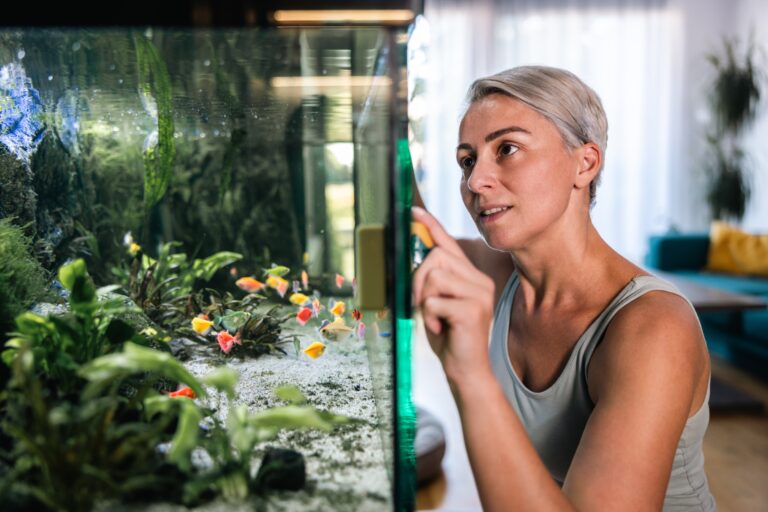
Starting your first aquascape is exciting, BUT it can also feel overwhelming. Between lighting, plants, CO₂, and all the little details, it’s easy to run into problems without even knowing what went wrong.
In this guide, we’ll look at the 10 most common mistakes beginners make in aquascaping and exactly how to fix them. With a little know-how (and some patience), your planted tank will have a much smoother start.
New aquascapers often think “more light = faster growth.” Honestly, I made that exact mistake with my first tank. I cranked the lights up because I wanted that lush, Instagram-ready look right away. Instead, I got… algae. Lots of it.
The tricky thing is that a brand-new aquarium behaves very differently from a mature one. In the early weeks, the plants are still settling in, the beneficial bacteria aren’t fully established, and the whole system is a bit wobbly. When you blast it with strong light during this fragile phase, you’re basically handing algae a VIP invitation to move in. It grows faster than the plants can adapt, and suddenly you’re scrubbing glass instead of enjoying your new scape.
Dialing the light back in the beginning feels counterintuitive, but it gives your plants time to root, adjust, and start using the nutrients properly. Think of it like letting them “find their footing” before turning up the intensity. Once the tank stabilizes, then you can increase light safely and get the growth you were hoping for WITHOUT the algae headaches.
Fix:
Start with 6 hours of light per day for the first 2–3 weeks. Increase to 8 hours only once plants show steady growth and the tank stabilizes.
Sparse planting gives algae plenty of open space and nutrients to exploit… and before you know it, those first few weeks turn into a battle you didn’t expect.
I’ve been there myself: you set up a beautiful layout, step back proudly… and within days, the algae army arrives because there simply weren’t enough plants to outcompete it.
Fast-growing plants act like your tank’s first line of defense. They grab nutrients quickly, kick-start the balance in your ecosystem, and help the whole tank settle in. It might not look exactly like the final scape you imagined at first, but trust me: planting heavily at the beginning gives you a much smoother, cleaner start. And you can always trim, reshape, or remove those “starter plants” once everything stabilizes.
Fix:
Plant heavily from day one, especially with fast stems. You can remove or thin them later once the tank is established.
High light without CO₂ is basically setting your plants up to struggle. Strong light pushes plants to grow faster, but without enough carbon, they just can’t keep up. It’s like stepping on the gas with no fuel in the tank. Add CO₂ (or lower the light), and suddenly the whole system feels calmer, healthier, and far easier to manage.
Fix:
If you run medium to high light, use CO₂ injection at around 20–30 mg/L. Keep CO₂ stable and turn it on 1 hour before lights.
Many beginners add fish too early, assuming the plants will instantly balance the water. But before the beneficial bacteria have established themselves, ammonia spikes are common AND dangerous!
Honestly, this might be one of the number one beginner mistakes, simply because it’s so tempting. You’ve spent days setting everything up, the tank looks amazing, and you just can’t wait to add those little swimmers. But you really do have to wait. Giving your tank a few weeks to mature makes a huge difference in stability and keeps your future fish safe and happy.
Fix:
Wait 3–4 weeks before adding fish. Add them gradually and monitor ammonia and nitrite carefully.
Some believe planted tanks don’t need water changes at all. I get the appeal. It sounds like the dream, right? A self-sustaining ecosystem you never have to fuss with.
But in reality, regular water changes are one of the simplest ways to keep your tank healthy. They remove built-up organics, reset nutrients, and help prevent algae problems, especially during the early phase when everything is still finding its balance. Skipping them usually leads to more work later, not less.
Fix:
Dead spots in the tank cause poor CO₂ distribution and give algae a perfect place to settle in. I remember thinking my flow looked “good enough,” only to find stubborn algae patches tucked away in corners I never paid attention to. Plants really do need gentle, consistent movement across the whole tank to grow evenly and stay healthy. Once you tweak the flow so every area gets a bit of circulation, the difference is surprisingly big.
Fix:
Aim for 5–10× tank volume per hour in total flow. Adjust your filter outlet or add a small circulation pump to keep water moving gently across the tank.
Too many fish or too much food quickly leads to excess waste. And in a young tank, that extra waste is like pouring fuel on the algae fire. I know how easy it is to get carried away here… you fall in love with every fish you see, and suddenly your “lightly stocked tank” isn’t so light anymore.
But in the early stages, your system just isn’t ready for that load. Keeping things simple: fewer fish and modest feeding helps your tank stay balanced while everything matures.
Fix:
Stock lightly and feed only what fish finish within 1–2 minutes. Remove leftovers immediately.
As plants grow, they start shading each other, collecting debris, and developing those sad-looking lower leaves we all try to ignore. The problem is, once leaves begin breaking down, they become a major algae trigger.
I’ve had tanks where everything looked fine from the top… until I lifted a stem and found a mess hiding underneath. Regular trimming keeps plants healthy, lets light reach the lower parts, and prevents that silent buildup that causes trouble later.
Fix:
Trim plants weekly or bi-weekly. Remove yellowing leaves and replant healthy tops to keep growth compact and bushy.
Every new aquascape gets algae. That’s completely normal. The real issue is letting it spread unchecked. I used to panic the moment I saw the first green fuzz, but now I know it’s just part of the process. What matters is catching it early, cleaning it up, and fixing whatever caused it. A little algae is just a sign your tank is settling in; ignoring it is when things get messy.
Fix:
Rocks that alter water chemistry or nutrient-poor substrates can make plant growth harder than it needs to be. I’ve definitely fallen for beautiful hardscape pieces only to find out later that they were quietly raising my pH and hardness.
Some rocks (like certain limestones) do exactly that, which can limit the plants you’re able to grow.
The same goes for substrates that don’t offer much nutrition; they leave your plants struggling right from the start. A little research before buying your hardscape and substrate saves you a lot of frustration down the road.
Fix:
Mistakes happen! The good news is that most beginner slip-ups are easy to avoid once you understand how a planted tank actually settles in. Focus on balance, patience, and consistency, and your aquascape will reward you with healthy plants, clear water, and that beautiful underwater world you imagined.

Freshwater aquarium shrimp are actually what got me into the aquarium hobby in the first place. At first, I was…

Red plants completely changed my aquascapes. I still remember my very first attempt at incorporating red plants into my aquascape.…
Keeping shrimp in a planted aquarium is one of the easiest ways to build a clean, stable, and visually engaging…


