At a glance
Small
Plant-safe
Nocturnal
Territorial
Description
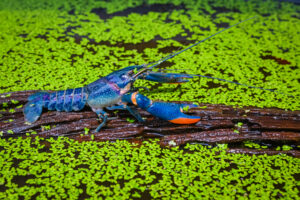
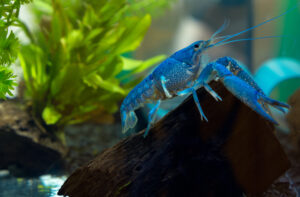
The Orange Dwarf Crayfish (CPO) is a compact, brightly colored dwarf crayfish of Cambarellus patzcuarensis prized in aquascapes for its contrast and small footprint. They are mostly nocturnal and spend much of their time scavenging along the substrate and hiding among rocks and plants. Generally plant-safe, CPOs may nibble soft new growth but rarely uproot established plants. Care focuses on stable water, adequate hiding places, and calcium to support healthy moulting.

Quick overview
Orange Dwarf Crayfish, CPO, Mexican Dwarf Crayfish
Cambarellus patzcuarensis
Territorial, opportunistic
40 liters (10 gallons) for one
Ideal aquarium setup
Mimic slow-moving shallow waters with lots of rockwork, leaf litter, and low to moderate planting. Provide many caves and stable water parameters; stable hardness and calcium help moulting. Breaks in line of sight reduce conflicts and keep them comfortable.
At least 40 liters (10 gallons) for a single CPO with a footprint of roughly 30x30 cm; groups need larger floor space, 75–100 liters (20–25 gallons) for several individuals to reduce territorial clashes.
Low to moderate lighting encourages normal activity and grazing at dusk and night, while very bright light pushes them to hide more during the day.
Plant-safe in most setups; they rarely uproot mature plants but may nibble soft new leaves so provide hardy or well-rooted species and plenty of hiding places.
Low to moderate to mimic calm waters and allow easy scavenging without fighting strong currents.
Fine sand or smooth small-grain gravel is preferred to protect delicate pincers and allow natural digging and foraging.
Include multiple hides such as clay pots, rock caves, and wood to create territories and line-of-sight breaks; provide flat surfaces and leaf litter for foraging and moulting refuge.

Behavior and temperament
CPOs are generally peaceful for dwarf crayfish but show clear territorial behavior toward conspecifics, especially males. They are mostly nocturnal and forage at night, spending the day in hides. During moulting they are vulnerable and retreat to shelters, making them sensitive to water quality and aggression. They usually ignore plants but will scavenge or nibble soft tissue and can prey on very small tankmates.
Diet and feeding
Omnivorous scavengers that eat algae, biofilm, plant matter and animal protein in the aquarium. They will opportunistically take slow or sick fish and shrimp and readily scavenge uneaten food. A varied diet supports coloration and healthy moults.
What they eat in nature
detritus, algae, plant matter, small invertebrates, carrion
What to feed in the aquarium
- Sinking omnivore pellets or wafers
- Blanched vegetables like zucchini and spinach
- Frozen meaty foods such as bloodworms and daphnia
Feeding schedule
Feed a small portion once daily or every other day, offering only what they can consume in a few hours and removing leftovers.
Special dietary needs
Provide calcium-rich foods or a cuttlebone to support healthy moulting and shell formation.
Daily:
Offer a modest portion once daily or every other day and remove uneaten food within a few hours to maintain water quality.
Weekly:
Give a protein-rich treat such as frozen bloodworms or small shrimp 1–2 times per week to support growth and breeding.
Always:
Always ensure a source of calcium and keep water quality high by removing uneaten food and performing regular maintenance.
Tankmate compatibility
CPOs can prey on very small shrimp and fry and may hunt at night, so choose tankmates carefully. They do well in species-only tanks or with fast midwater fish that occupy different zones. Provide abundant hiding places if mixing with other bottom dwellers to reduce conflict.
Yes with caution - They often eat or harass small shrimp species, so only keep larger or very fast shrimp with caution or avoid mixing.
Smaller snails and eggs may be eaten while larger hard-shelled snails usually coexist, though juveniles remain at risk.
Fast midwater schooling fish like tetras, danios, and rasboras are good companions because they occupy different zones and are too quick to be regularly targeted.
Semi-aggressive or territorial species such as certain cichlids and large loaches can stress or injure crayfish, and crayfish may retaliate against slow-moving bottom fish.
Dwarf crayfish show intraspecific territoriality; provide ample floor space and many hides to reduce fights. Males can be aggressive toward each other so monitor groups and separate if necessary.
Breeding
Breeding is straightforward in stable, well-aerated water; females carry eggs under the tail until the young hatch and juveniles are miniature adults after several molts. Dense moss and fine-leaved plants increase juvenile survival by providing cover. Good water quality and consistent parameters greatly improve breeding success.
Difficulty
Easy to medium because females carry and protect eggs, but successful rearing requires stable water, appropriate hardness for moulting, and management of intraspecies aggression.
How they breed
Females carry eggs under the tail until hatching.
Best setup for breeding
Provide lots of small hides, dense moss or Java moss for juveniles, and stable water with moderate hardness and calcium; separate overly aggressive males if needed.
Feeding the babies
Feed juveniles on biofilm, powdered fry foods and finely crushed sinking pellets, and offer tiny bits of blanched vegetable as they grow.
Pro tips
Provide multiple caves and visual barriers to reduce territorial fights.
Maintain stable hardness and add a calcium source to prevent moulting failures.
Remove uneaten food quickly to protect water quality and reduce scavenging aggression.
Moulting issues
Failed or problematic moults often result from low calcium or poor water quality; raise hardness slightly, add calcium sources and keep water stable to improve outcomes.
Escapes
Crayfish are escape-prone and will exploit gaps; use tight-fitting lids, seal openings, and ensure tank levels and decorations discourage climbing.
Aggression
Aggression usually stems from overcrowding or insufficient hides; increase floor space, add more shelters, or separate aggressive individuals to reduce injuries.
Typical beginner mistakes
- Too small tank or insufficient floor space
- Not enough hides or line-of-sight breaks
- Low hardness or no calcium source
Short summary
The Orange Dwarf Crayfish (CPO) is a small, colorful dwarf species well suited to aquascapes. Generally plant-safe and beginner-friendly, it needs stable water, calcium for moulting, and plenty of hides. Best kept in species tanks or with fast midwater fish to avoid predation or conflict.
Frequently asked questions (FAQs)
Are CPO crayfish plant-safe?
Yes, they are generally plant-safe and rarely uproot mature plants, though they may nibble soft new growth.
What temperature do they prefer?
Keep them between about 20–26°C (68–79°F) with stable conditions for best health.
Can they live with shrimp?
Only with caution, as CPOs may eat or harass smaller shrimp species; larger or very fast shrimp are less at risk.
Frequency depends on age and growth; juveniles moult more often while adults moult several times per year, requiring extra calcium and hiding places.
Do they need special water hardness?
Moderate hardness (around 6–12 dGH) is beneficial to support healthy moulting and shell formation.
Is breeding difficult with CPOs?
Breeding is fairly straightforward if water is stable and there are plenty of hides, though juvenile survival improves with dense cover and good water quality.