Biotope style aquascaping: How to recreate a true natural habitat

If you want an aquarium that feels like a real slice of nature (not just inspired by it, but built to accurately reflect it), biotope style aquascaping is a perfect match. Instead of mixing plants and fish from different parts of the world, this approach recreates a single real habitat: one river, one lake, one forest stream, one ecosystem.
The result is an aquarium that is immersive, educational, and deeply meaningful. It’s less about artistic interpretation and more about authenticity. Yet when done well, a biotope can still be incredibly beautiful.
A biotope aquascape focuses on recreating one specific natural environment as faithfully as possible. Everything in the tank, your substrate, hardscape, plants, fish, and even the water parameters, should match that chosen habitat.
Examples include:
In a true biotope, nothing is added “just because it looks nice.” Every element has ecological purpose, and every species belongs exactly where it would be found in the wild.

Aquarists love this style because it offers:
If you enjoy nature, biology, or wildlife conservation, a biotope setup is one of the most rewarding ways to keep an aquarium.
Your first task is picking the exact environment you want to recreate. Popular choices include:
Once you’ve chosen a region, collect as much reference material as possible. Look for:
Pay attention to the small details (water color, substrate type, leaf litter, flow, vegetation density), and how wood or rocks appear. These subtleties are what make a biotope feel truly authentic.

Even though a biotope focuses on realism, you can still use aquascaping principles to make it visually strong. Look at the natural structure of your chosen habitat and recreate it faithfully:
Focus on natural patterns rather than artistic placement. A biotope should feel unforced, organic, and shaped by water, time, and weather.
Choose materials that match the region in shape, color, and texture:
Make sure your hardscape doesn’t conflict with regional water chemistry. For example, calcareous rock can raise hardness and pH, which is ideal for African rift lakes but unsuitable for soft-water biotopes.
Use what the real habitat uses:
Biotopes aren’t meant to be “decorative”, the substrate should look raw and natural.
Many biotopes aren’t heavily planted. Some have only floating plants or marginal vegetation. Others have dense aquatic growth. Research what is correct for your chosen habitat.
Guidelines:
Some of the most beautiful biotopes use almost no plants: just wood, sand, and leaves.

This is the heart of a biotope. Only choose species from the exact same habitat, not just the same continent.
Correct stocking:
Most successful biotopes use a few carefully selected species, not many different ones. It’s better to highlight natural behavior than to fill the tank with color.

Match the natural water conditions as closely as you reasonably can:
Stability matters more than hitting exact numbers.
Lighting should mimic nature:
Avoid theatrical lighting. Aim for realism!

Replicate the movement of the real habitat:
Hide equipment where possible so the tank maintains a natural look.
A simple setup sequence:
If your biotope has no plants, rely on water changes and careful feeding in the early weeks.
Biotope tanks are often easier to maintain because they don’t rely on high-tech equipment or demanding plants.
Your routine typically includes:
Biotopes become stable once they’re established, especially when livestock and environment are well-matched.
Avoid anything that breaks the realism:
A biotope is all about commitment to authenticity.

A biotope aquascape gives you something no other style offers: a tiny, functioning world based on a real place. You’re building more than an aqaurium, you’re building an ecosystem!
Benefits include:
If you love nature, the biotope style is one of the most meaningful ways to aquascape.
A biotope aquascape honors the beauty of a real environment. With good research, thoughtful planning, and a genuine appreciation for nature, you can create a tank that feels alive, authentic, and wonderfully connected to the world outside your home.


Dutch style aquascaping is one of the oldest and most colorful planted-aquarium styles. Instead of dramatic rocks or twisted driftwood,…


Jungle style aquascaping is vibrant, immersive, and intentionally a little untamed. Instead of strict lines or carefully pruned groupings, this…
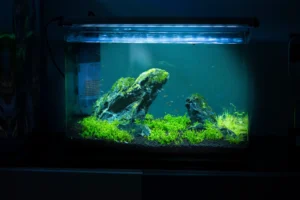
What is Iwagumi? Iwagumi is one of those aquascaping styles you instantly recognize: clean, calm, and seriously beautiful. It might…
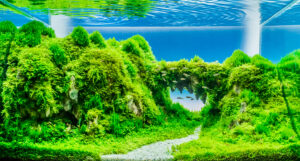
Nature style aquascaping is one of the most beloved approaches in the planted tank world. It’s calm, organic, atmospheric, and…

Introduction to aquascaping styles Aquascaping is the art of creating underwater landscapes using plants, rocks, wood, and fish. It’s a…


